AD. In a world of tablets, TikTok, and constant stimulation, helping children develop mindfulness skills has become more important than ever. Mindfulness isn't just trendy wellness speak either; it's a practical toolkit that can genuinely help kids manage emotions, improve concentration, and feel more settled in their daily lives.
[Photo by Ketut Subiyanto]
What Actually Is Mindfulness?
Think of mindfulness as paying attention to the present moment without getting caught up in worries about tomorrow's maths test or yesterday's playground drama. It's about noticing what's happening right now: how your breath feels, what sounds you can hear, or how your feet feel on the ground. For children, it's like having a superpower that helps them pause before reacting when their little brother nicks their favourite biscuit.
Why Kids Need These Skills More Than Ever
Children today face pressures that previous generations couldn't have imagined. From academic expectations to social media comparison (even for the youngest), their developing brains are constantly processing information. Research shows that mindfulness can help reduce anxiety, improve sleep, boost concentration, and even strengthen immune systems. Plus, it gives children practical tools for those inevitable moments when emotions feel overwhelming. This is vital for children you might be fostering with ISP Fostering.
Simple Breathing Techniques That Actually Work
Start with balloon breathing. Have your child place one hand on their chest and one on their tummy. As they breathe in slowly through their nose, encourage them to imagine inflating a balloon in their belly, watching the lower hand rise. Breathe out slowly through the mouth, deflating the balloon. Even three minutes of this can reset a child's nervous system.
Another winner is "smell the flower, blow out the candle" breathing. Children breathe in slowly as if smelling their favourite flower, then exhale gently as if blowing out birthday candles. It's simple enough for even young children to remember and use independently.
Mindful Movement and Body Awareness
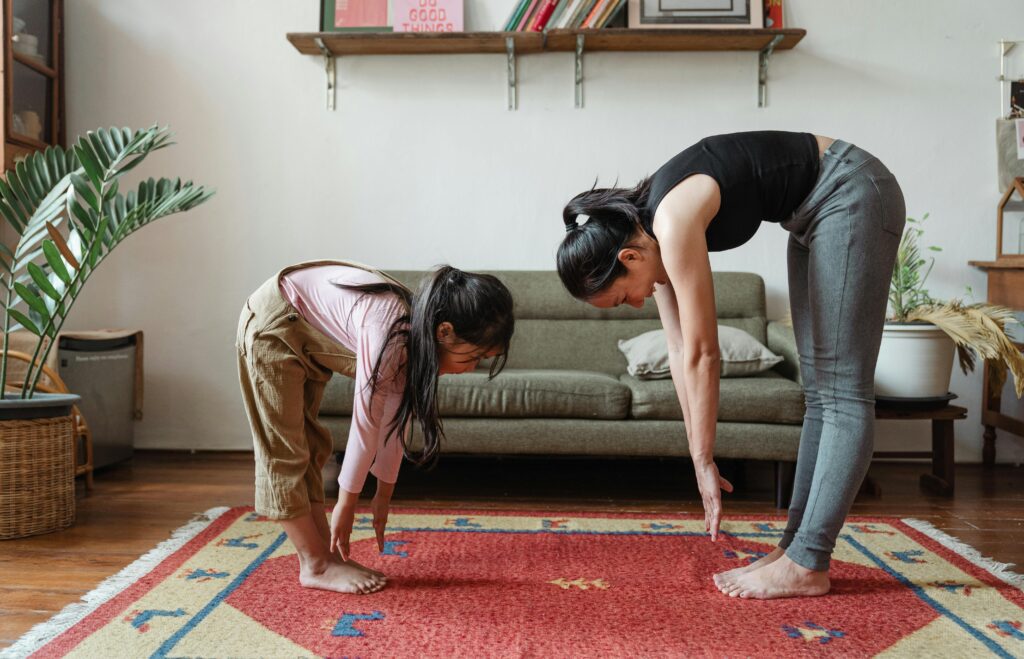
Children are naturally physical learners, making movement-based mindfulness particularly effective. Try "body scanning" where kids lie down and mentally visit each part of their body, noticing how their toes feel, then their ankles, calves, and so on. It's like taking their body on a gentle tour.
Mindful walking works brilliantly too, where children walk incredibly slowly, paying attention to how each step feels. You can do this in the garden, down the hallway, or even around their bedroom. It helps hyperactive children channel their energy whilst building awareness.
If you’ve got access to one, a trampoline can become a tool for mindful play. Encourage your child to bounce slowly and notice the rhythm of their breath, the feeling of their feet pressing into the surface, and the gentle rise and fall of their body. It transforms a burst of energy into a grounding, body-aware activity.
Making It Fun and Sustainable
The key to success is keeping practices short, playful, and pressure-free. Use apps designed for children, create a special "mindfulness corner" with cushions and soft lighting, or incorporate mindful moments into existing routines like bedtime or after school.
Remember that modelling mindfulness yourself is incredibly powerful. When children see adults taking mindful breaths during stressful moments, they learn these aren't just "kid techniques" but valuable life skills.
Mindfulness isn't about creating perfectly zen children; it's about giving them practical tools to navigate life's ups and downs with greater resilience and self-awareness. Start small, be consistent, and watch as these simple practices help your children develop the emotional intelligence that will serve them throughout their lives.