AD. A well-stocked outdoor adventure box gives children an easy way to carry imaginative play from the playroom into the garden, park or woodland. Instead of deciding on a new activity every time you head outside, they can grab a few familiar items and create their own expedition, nature survey or muddy rescue mission.
The box doesn’t need to be expensive or elaborate. A change of clothes, a small collection of practical accessories and sensible storage can support hours of active play. It also helps children become more confident outdoors, even when the ground is damp or the weather feels less than perfect.
Dressing Up Beyond the Indoors
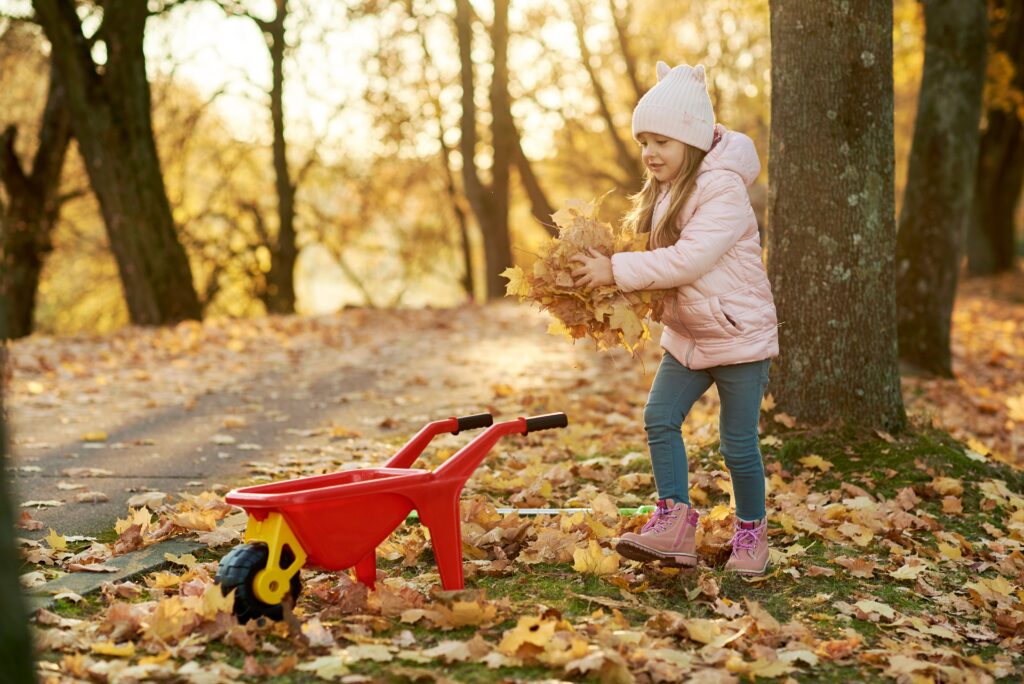
Dressing up often begins beside the toy kitchen or in front of a bedroom mirror, but it can work even better outdoors. Open space lets children give their characters a physical purpose. A camouflage outfit might turn a patch of shrubs into a secret observation post, while an old waterproof coat can inspire a search for animal tracks after rain.
There are good reasons to extend dress-up play beyond the house. When children invent roles, they practise language, decision-making and cooperation. Outdoors, they also have to respond to uneven ground, changing weather and whatever natural materials they discover. Sticks become trail markers, fallen leaves become pretend supplies and a tree stump can serve as a field station.
Choose clothing that leaves plenty of room for movement. If your child enjoys camouflage-themed role play, a kids’ army costume can form the starting point for explorer games, den building and outdoor treasure hunts. Keep the story focused on discovery, teamwork and nature.
You can encourage fresh ideas by adding a simple prompt card to the box. Try tasks such as finding three different leaf shapes, building a shelter for a toy animal or mapping a route around the garden. These prompts give children somewhere to start without controlling the whole game. Once their imagination takes over, the activity will usually grow in unexpected directions.
Garments Built for Rough Ground
Outdoor play clothes need to cope with kneeling, climbing and the occasional slide through wet grass. Save delicate fabrics and complicated fastenings for another day. Look for sturdy trousers, comfortable tops and outer layers that children can manage without much adult help.
Layering makes the box useful across several seasons. A breathable base layer, warm mid-layer and lightweight waterproof cover can be mixed according to the conditions. Practical guidance on clothing for outdoor play recommends adjusting those layers for temperature, wind and rain. It’s also sensible to check children regularly because active games can make them warm surprisingly quickly.
Fit matters as much as fabric. Trousers that drag over boots may cause trips, while cuffs that are too tight can make climbing uncomfortable. Ask your child to crouch, stretch and lift their arms while trying on an outfit. That quick movement test often reveals problems that aren’t obvious when they’re standing still.
Include a clearly labelled set of clothes that can get muddy. Children may hold back from digging or exploring if they’re worried about stains, so a dedicated outdoor set removes that concern. Check knees, elbows, seams and zips every few weeks, especially after energetic outings. Small tears are easier to repair before they widen.
Footwear should suit the location. Wellies work for puddles and soft mud, while secure trainers or walking shoes usually provide better movement on dry, uneven paths. Pack spare socks in a waterproof pouch because cold, damp feet can bring an adventure to a very quick end.
Essential Kit for Mini Explorers
A useful adventure box contains open-ended objects that support several kinds of play. Too many themed toys can limit the story, while a few simple tools encourage children to invent their own uses. A magnifying glass, clipboard and pencil could support a bug survey one day and a garden map the next.
Consider including:
- A child-sized magnifying glass
- A notebook, pencils and washable crayons
- A reusable water bottle
- A small torch for supervised dusk play
- Chalk for trails and outdoor pictures
- A lightweight bucket or collecting tray
- A sit mat for damp ground
- A simple picture guide to common leaves or minibeasts
Set clear rules about collecting natural objects. Fallen leaves, twigs and empty seed cases are usually better choices than living flowers or creatures. Encourage children to observe minibeasts where they find them and return any temporarily moved natural materials to the same area.
The principles behind an open-ended playroom transfer neatly outdoors. Children benefit from being able to see their options, reach suitable items and combine them freely. You might divide the box into small pouches marked “drawing”, “looking” and “building” so they can select what their plan requires.
Keep the kit appropriate for your child’s age and supervise activities near water, roads or unfamiliar terrain. Inspect small items before each outing and remove anything cracked or damaged. A compact first-aid pouch carried by the adult is also sensible for family trips, though it should remain separate from the play equipment.
Organised Storage for Muddy Days
The best adventure box is one that you can use without creating a major clean-up afterwards. Choose a lidded plastic container that wipes clean and fits near the back door, in a utility room or on a low garage shelf. A box with handles is easier to move into the garden, though it should be light enough to carry safely when full.
Use washable drawstring bags or old pillowcases to separate clothes from equipment. Wet garments should never stay sealed inside the main box. Hang them to dry first, brush off loose soil and wash them according to the care label. Wipe tools before returning them so that notebooks, guides and spare socks remain clean.
Indoor activity centres can feel convenient because they reduce concerns around rain and muddy clothing, as this overview of indoor play areas explains. An organised box brings some of that ease to outdoor family time. Everything has a place, forgotten items become less likely and packing for a short trip takes minutes.
Try a quick reset routine when you come home. Put damp items by the washing area, refill the water bottle later and return dry equipment to its labelled pouch. Children can help by matching each item to a picture label on the box. This builds independence and makes clearing up part of the activity.
Leave a little empty space for discoveries and changing interests. One month the favourite item may be a magnifying glass, while the next it could be chalk or a homemade map. When the next muddy afternoon arrives, the box will be ready by the door, waiting for a fresh idea.