AD. If you've ever considered trying a new form of exercise, chances are yoga and Pilates have both crossed your mind. They're often mentioned together, both involve controlled movements and can help improve flexibility, strength and overall wellbeing. But despite their similarities, they're actually quite different. Whether you're looking to become more flexible, build strength, improve your posture or simply find a way to switch off after a busy day, both practices have plenty to offer. The question is, which one is right for you? Let's take a closer look at yoga vs Pilates, including their main differences, benefits and what to consider before deciding which one to try.
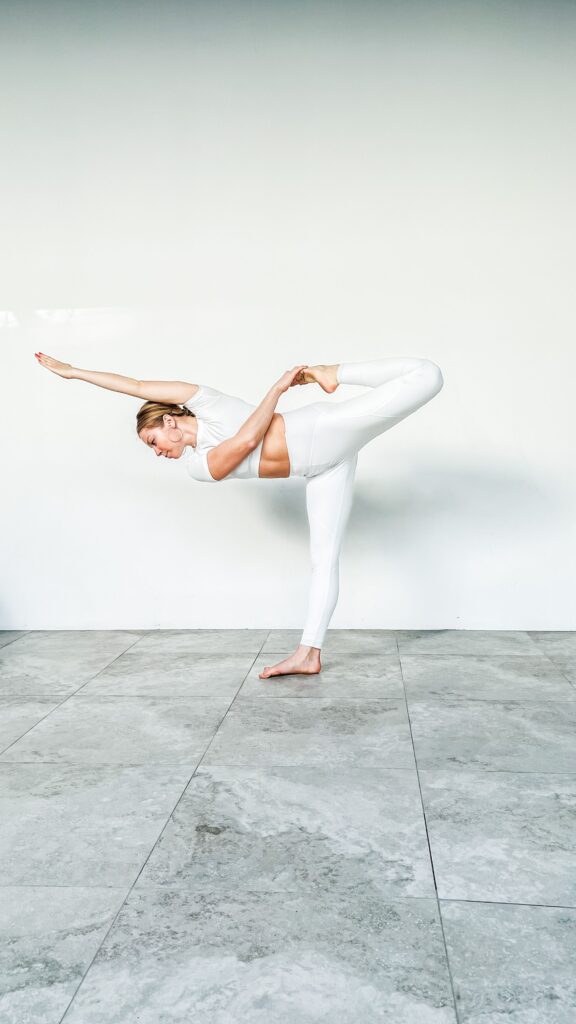
[Yoga photo by Viktorya Sergeeva]
What Is Yoga?
Yoga is an ancient practice that originated in India and combines physical postures, breathing techniques and mindfulness. While many people associate yoga with stretching and flexibility, there's so much more to it than that.
Depending on the style, a yoga session can be slow and relaxing or surprisingly challenging. Some classes focus on holding positions and improving balance, while others involve flowing sequences that get your heart rate up.
There are several different types of yoga, including:
- Hatha yoga: A slower-paced style that's often recommended for beginners, with a focus on basic poses and breathing.
- Vinyasa yoga: A more flowing practice where movements are linked together with the breath.
- Yin yoga: A gentle, slower style involving longer-held poses to encourage flexibility and relaxation.
- Ashtanga yoga: A more structured and physically demanding style that follows a set sequence of poses.
One of the things I like about yoga is how adaptable it can be. You don't need to be particularly flexible or experienced to get started, and there's usually a style to suit different abilities and fitness levels.
What Is Pilates?
Pilates was developed by Joseph Pilates in the early twentieth century. It's a form of exercise that focuses on controlled movements, core strength, posture and stability.
Unlike yoga, which often incorporates a wider mindfulness and breathing element, Pilates places a stronger emphasis on strengthening the muscles that support the spine, abdomen and pelvis.
You'll often hear Pilates described as a low-impact workout, but don't let that fool you. The movements might look relatively simple, but maintaining control and engaging the correct muscles can be surprisingly challenging!
There are two main types of Pilates:
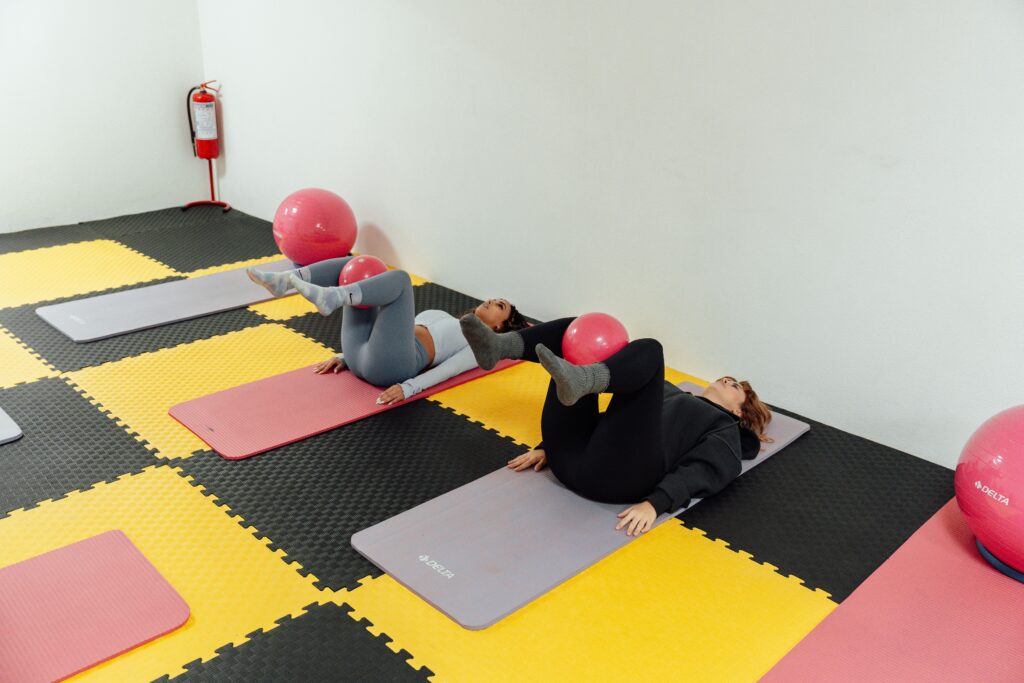
- Mat Pilates: Exercises performed on a mat, usually using your own body weight for resistance.
- Reformer Pilates: Uses a specialist machine with a sliding platform, springs and straps to add resistance and support different movements.
Pilates is particularly popular with people looking to improve their core strength, develop better posture and build overall body control.
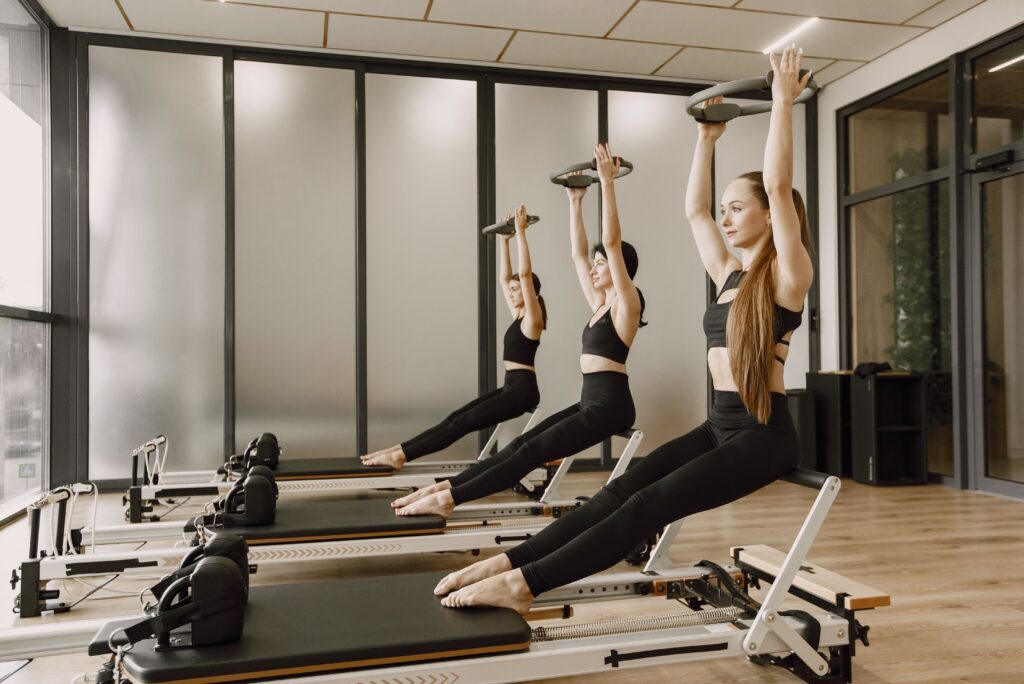
[Reforemer Pilates photo by Gustavo Fring]
Yoga vs Pilates: What Are the Main Differences?
Although yoga and Pilates share some similarities, their main focus and approach to movement are quite different. Yoga combines physical movement with breathing and mindfulness, often placing an emphasis on flexibility, balance and relaxation. Pilates, on the other hand, concentrates more on controlled movements, core stability and strengthening specific muscle groups.
Here's a quick comparison:
| Feature | Yoga | Pilates |
|---|---|---|
| Main focus | Flexibility, balance and mindfulness | Core strength, posture and stability |
| Movement | Poses, stretches and flowing sequences | Controlled, repetitive movements |
| Breathing | Often linked to movement and relaxation | Used to support controlled movement |
| Flexibility | A key part of many styles | Developed through controlled exercises |
| Strength | Uses body weight and held positions | Focuses on muscular control and resistance |
| Equipment | Usually a mat and optional blocks or straps | A mat or specialist reformer equipment |
Another difference is the overall experience. A gentle yoga class might leave you feeling relaxed and refreshed, whereas a Pilates session can feel more like a focused strength workout. Of course, this isn't always the case. More dynamic yoga classes can be physically demanding, while some Pilates sessions are designed to be gentle and accessible. Ultimately however, both offer a way to move your body, develop strength and improve your physical wellbeing.
What Are the Benefits of Yoga and Pilates?
So, why choose either of them? Well, both practices offer a range of benefits, although they tend to have slightly different areas of focus.
Benefits of Yoga
Yoga is particularly well known for its focus on flexibility, movement and mindfulness. Some of the potential benefits include:
- Improved flexibility: Regular stretching and movement can help improve your range of motion over time.
- Better balance: Many yoga poses involve maintaining your balance and developing body awareness.
- Stress management: Breathing exercises and mindful movement can help you relax and unwind.
- Improved strength: Holding poses and supporting your own body weight can help develop muscular strength.
- Greater body awareness: Yoga encourages you to pay attention to how your body moves and feels.
It's also a lovely way to build a little time into your routine that's just for you. Whether you attend a class or follow a short session at home, it can provide a welcome break from everyday distractions.
Benefits of Pilates
Pilates offers many of the same benefits, but with a greater emphasis on controlled strength and stability.
Some of its key benefits include:
- Stronger core muscles: Many Pilates exercises target the abdominal and surrounding muscles.
- Improved posture: Exercises focus on alignment and strengthening muscles that support the spine.
- Better stability: Controlled movements help develop balance and coordination.
- Increased muscular endurance: Repeating exercises with control can help improve muscular endurance.
- Improved body awareness: Pilates encourages you to focus on movement quality and technique.
Neither practice is necessarily better than the other when it comes to overall fitness. It really comes down to your individual goals and what you enjoy doing.
Yoga vs Pilates: Which Is Better for Beginners?
If you're completely new to both, the good news is that you don't need any previous experience to get started. Both yoga and Pilates offer beginner-friendly classes, and many instructors provide modifications to make exercises more accessible.
Yoga might be a good starting point if you're interested in improving flexibility, learning breathing techniques and trying something that combines movement with relaxation. A gentle Hatha class, for example, is often a good introduction.
Pilates could be more appealing if you'd prefer a structured workout that focuses on building core strength, improving stability and developing better movement control. Mat Pilates is a useful place to start before progressing to more challenging exercises.
My advice would be not to worry too much about which is easier. Try a beginner session of each and see how you feel. You might be surprised by which one you enjoy most!
What Should You Wear for Yoga and Pilates?
Whether you're heading to your first yoga class or trying Pilates at home, having comfortable clothing can make a real difference to your experience.
Both activities involve plenty of stretching, bending and movement, so you'll want clothing that allows you to move freely without constantly needing to adjust it.
For yoga, comfortable women yoga shorts can be a practical option, particularly during warmer months or more active sessions. Look for breathable, stretchy fabrics that allow you to move between different poses without feeling restricted. When it comes to your upper body, lightweight gym shirts are another useful addition to your workout wardrobe. Ideally, choose something comfortable that won't get in the way when you're stretching or moving around. If you prefer something with a little more personality, women printed gym shirts are a fun way to add some colour and individuality to your exercise outfits.
For Pilates, you might also want to consider clothing that fits relatively close to the body. This can make it easier to see your alignment and notice how your muscles are moving, particularly when following an instructor.
You don't need an expensive workout wardrobe to get started, either. A few comfortable, practical pieces that make you feel confident are more than enough.
Can You Do Yoga and Pilates Together?
Absolutely! In fact, combining the two can be a great way to create a more varied exercise routine. Yoga and Pilates complement one another nicely because they focus on slightly different aspects of movement and fitness. For example, you could use Pilates sessions to work on core strength, stability and muscular control, while incorporating yoga to improve flexibility, balance and relaxation.
You don't necessarily need to do both every day. Alternating between the two throughout the week can be a manageable way to enjoy the benefits of each without making exercise feel like another chore. You could even start with one session of each per week and gradually build up as your confidence and fitness improve.
Yoga vs Pilates: Which Should You Choose?
So, when it comes to yoga vs Pilates, which one is better? The honest answer is that neither is universally better. They simply offer different experiences and benefits, so the right choice depends on what you're hoping to get out of your exercise routine.
If you're interested in flexibility, mindfulness, balance and finding a way to relax, yoga could be the perfect fit. If building core strength, improving posture and developing better body control are your priorities, Pilates might be more suitable.
And why choose just one? There's no reason you can't enjoy both.
The most important thing is finding a form of exercise that you enjoy and can realistically fit into your lifestyle. After all, the best workout is often the one you actually look forward to doing!
Frequently Asked Questions
Is yoga or Pilates better for weight loss?
Both yoga and Pilates can contribute to an active lifestyle, but neither is specifically designed as a weight-loss programme. The number of calories burned will depend on the type of session, its intensity and duration. More dynamic yoga classes and challenging Pilates workouts may provide a greater physical challenge than gentler sessions.
Is Pilates harder than yoga?
It depends on the type of class and your individual fitness level. Some Pilates exercises can be particularly challenging because they require controlled movements and sustained core engagement. Equally, more advanced yoga styles can be physically demanding. Beginners should start with classes suited to their experience.
Can yoga and Pilates improve flexibility?
Yes! Both can help improve flexibility and mobility over time. Yoga often incorporates more dedicated stretching and longer-held poses, while Pilates develops flexibility through controlled movements and exercises that work through different ranges of motion.
How often should you do yoga or Pilates?
If you're new to either practice, starting with one or two sessions per week is a sensible approach. As you become more comfortable, you can gradually increase the frequency depending on your goals, fitness level and recovery. Consistency is more important than trying to do too much too soon.