[AD] The magical journey of reading begins long before a child can decipher words on their own. Reading to young children is a powerful and transformative act that goes beyond storytelling—it lays the foundation for a lifetime of learning, empathy, and cognitive development. Read on to explore the myriad reasons why reading to young children is not only enjoyable but also critically important for their overall growth and development.
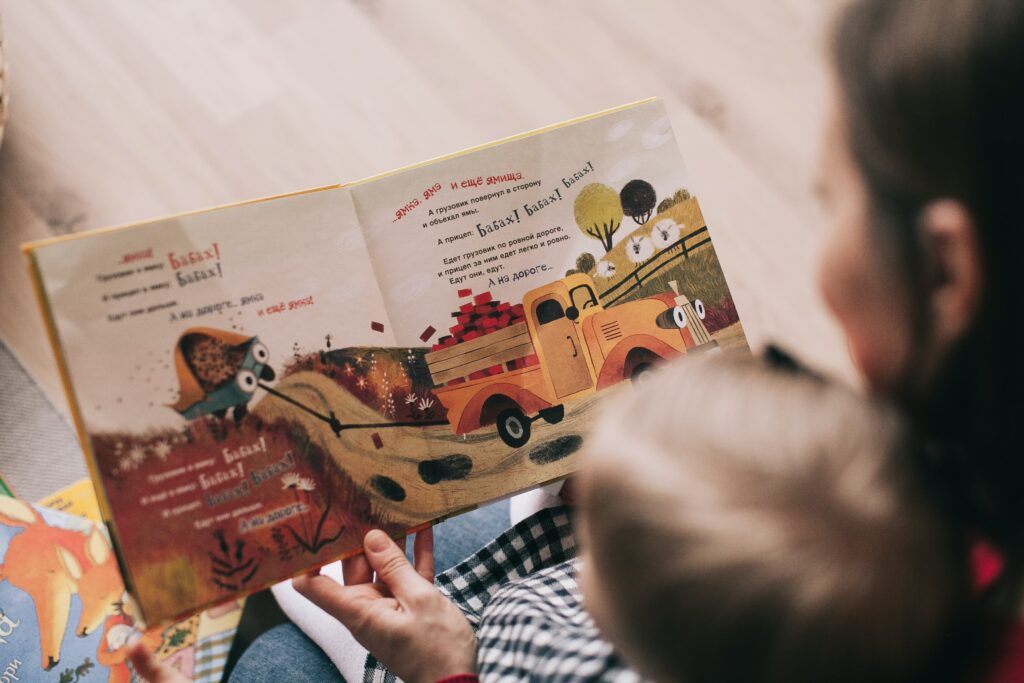
[Photo by Lina Kivaka]
1. Building a Strong Foundation for Literacy:
Reading aloud introduces children to the world of language, helping them develop essential pre-literacy skills. Exposure to a rich vocabulary, sentence structures, and varied linguistic patterns during early childhood lays the groundwork for future reading and writing success.
2. Cognitive Development:
Engaging with books stimulates cognitive development in young minds. As children listen to stories, they absorb new information, enhance their memory retention, and strengthen their cognitive abilities. The imaginative and critical thinking skills fostered by storytelling contribute to well-rounded cognitive development.
3. Language Development:
Reading aloud provides a language-rich environment, exposing children to a diverse range of words and expressions. This exposure enhances their language skills, including vocabulary expansion, comprehension, and the development of language nuances. It forms the basis for effective communication and a love for language.
4. Encouraging a Love for Learning:
The early introduction of books fosters a positive association with learning. As children experience the joy and wonder of storytelling, they develop a curiosity that extends beyond books into all areas of learning. This love for learning becomes a lifelong asset.
5. Strengthening the Parent-Child Bond:
Reading together creates a special bonding experience between parents or caregivers and children. Shared stories build emotional connections, create cherished memories, and provide a comforting routine. The intimacy of reading aloud fosters a sense of security and trust.
6. Promoting Concentration and Focus:
Storytime encourages children to sit still, listen, and concentrate—a valuable skill for future academic success. The ability to focus during reading sessions carries over into other areas of learning and helps develop patience and attention to detail.
7. Instilling Values and Morals:
Many children's books are filled with valuable life lessons and moral narratives. Through characters and plotlines, children can learn about kindness, empathy, friendship, and important values that shape their understanding of the world around them.
8. Expanding Cultural Awareness:
Books provide a window into diverse cultures, perspectives, and experiences. Reading stories from various backgrounds exposes children to the richness of human diversity, fostering empathy and a broader worldview.
9. Enhancing Imagination and Creativity:
Books are portals to imaginary worlds, and reading to children sparks their creativity and imagination. It encourages them to visualise, dream, and create, laying the groundwork for innovative thinking and problem-solving skills.
10. Preparing for Academic Success:
Children who are regularly read too often exhibit greater success in school. The early exposure to language, storytelling, and cognitive challenges sets a positive trajectory for academic achievement in later years.
11. Establishing Daily Routines:
Incorporating reading into daily routines establishes a healthy habit. The predictability of a bedtime story, or a reading session, signals to children that learning is a consistent and enjoyable part of their lives.
12. Preventing Reading Difficulties:
Reading aloud can play a preventive role in addressing potential reading difficulties. It provides early intervention by exposing children to language structures, phonetics, and the joy of reading before formal reading instruction begins.
13. Developing Listening Skills:
Active listening is a fundamental skill that children develop through story time. Listening to the rhythm and flow of language enhances their auditory processing abilities and prepares them for effective communication in various settings.
14. Creating a Lifelong Love for Books:
Perhaps the most enduring gift of reading to young children is the establishment of a lifelong love for books. Early exposure to the enchantment of storytelling instils a genuine affection for literature that often lasts into adulthood.
In the tapestry of a child's early years, reading plays a pivotal role in shaping the colours and patterns that will define their cognitive, emotional, and social development. The act of reading to young children is a gift that transcends generations, leaving an indelible mark on their hearts and minds. So, open a book, embark on literary adventures, and watch as the pages become a magical gateway to a world of endless possibilities for your child.



Reading to young children is so important! It definitely helps to promote language development and imagination x
Lucy | http://www.lucymary.co.uk
We read to Jack and with Jack every single day. I was always such a book worm as a child and I know that a contributing factor was that my Mum had a book in her hand constantly. My husband isn't a big reader but we really want Jack to enjoy reading and love books. This post has given me all the feels and given me some great ideas for how to make reading more fun!
Rosie
I love reading to Leo, though it would be better if he didn't just read the same book over and over... haha!
Corinne x
It took me ages to get Ru into reading himself after school hours, but he's such a good reader now and I definitely put it down to being read to! x