AD. Plant correctly to ensure lots of flowers and good development. Bulbs are simple and rewarding to plant, which is why gardeners love doing it. It improves the colour, texture, and appearance of your outdoor area. Most likely, you'll be planting spring-blooming bulbs like tulips and daffodils. Summer-blooming dahlias and lilies are also good choices for seed burying. Let's take you step-by-step through how to plant bulbs.
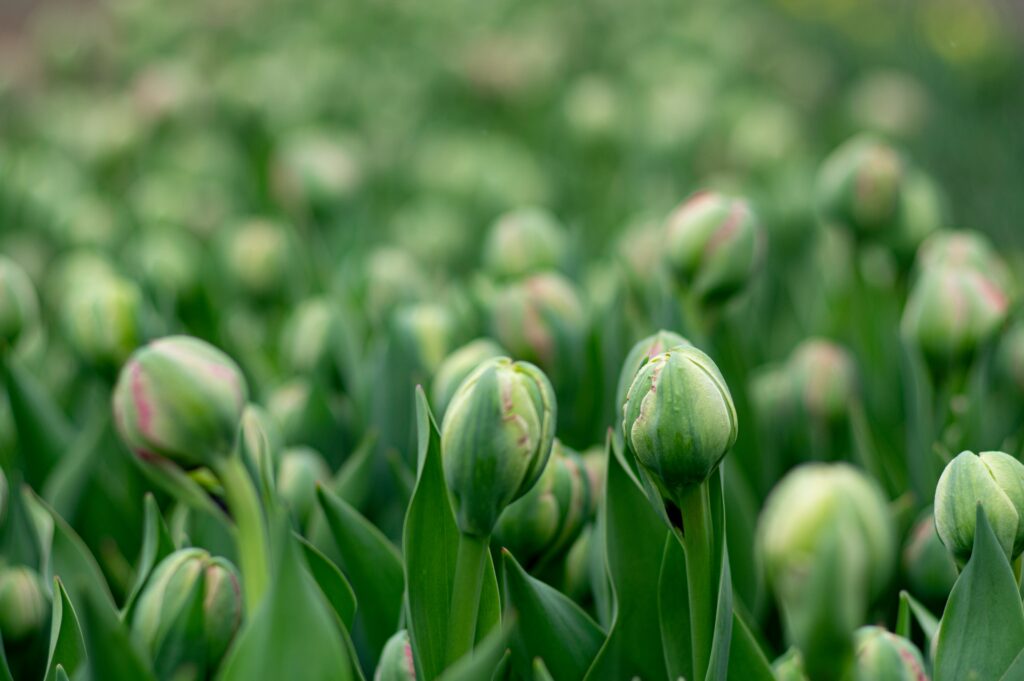
[Photo by Elena Mozhvilo on Unsplash]
Choose the Right Bulbs
Before planting bulbs, choose high-quality ones. They should fit your climate, soil, and conditions. Always ensure that the bulbs you purchase are solid, full, and without any signs of mould, sogginess, or illness. Take into account factors like when the flowers bloom, their colour, and how tall they will grow when fully grown. This will ensure a diverse and pretty display in your garden.
Purchase bulbs from garden centres or reputable nurseries. This guarantees their health and prevents illness. Landscapers have a deep understanding of plant species, soil compositions, and weather patterns. You can trust them to pick the right plants and materials for your garden.
Select a Suitable Location
Choose a sunny or partly shaded spot in your garden. It should have well-draining soil for planting bulbs. Most bulbs like full sun. They need soil rich in organic matter. It must drain well to prevent waterlogging. Avoid planting bulbs in low-lying or poorly drained areas. Water tends to collect there. This can cause bulbs to rot. Consider the size and growth habit of the bulbs you're planting. Leave enough space between them for their growth. This will prevent overcrowding.
Soil Preparation
Use a shovel or garden fork to dig eight to ten inches down when planting bulbs. Remove any debris, pebbles, and weeds from the planting area. Add organic materials to your soil to increase its fertility and drainage capabilities. Use a fertiliser made specifically for bulbs or one that is adjusted for the soil. Do this according to the package instructions. This will provide the nutrients for healthy growth and blooming.
Depth and Spacing of Plants
The right depth and spacing are essential when planting bulbs. This ensures they grow and flower well. Plant bulbs at a depth of two to three times their diameter as a general guideline. Plant larger bulbs, such as daffodils and tulips, deeper. Plant snowdrops and other smaller bulbs shallower. Space bulbs based on their mature size and growth habit. Don't overcrowd bulbs, leave enough space between them. If you're planning to add lilies, you can easily find a variety of lily bulbs online to get started.
Planting Technique
Create a trench or hole in the correctly prepared soil first, either with a trowel or a bulb planter. With the pointed end up and the root end down, place the bulbs into the hole. In order to prevent air pockets around the bulb, gently compact the dirt as you fill the hole. Lastly, water the newly planted bulbs thoroughly to promote root growth and help with soil compaction. Space them as the package says or as you like.
Mulching and Watering
With a trowel or bulb planter, dig a trench or hole before planting bulbs. The pointed end should face upwards, and the root end should face downwards. Then backfill the disturbed area with dirt and compact it firmly around the bulb to get rid of any air pockets.
Be careful to give the bulbs that have just been planted enough water to encourage root development and soil compaction. Proceed with the planting procedure for every bulb. Do this, especially in dry weather. It keeps the soil consistently moist and promotes healthy growth and blooming.
Bulbs Care
Once bulbs have finished flowering, let the foliage die back. Then, remove it from the garden. This allows the bulbs to store energy for next year's growth and flowering. Don't cut back or remove the foliage. Wait until it has turned yellow and withered. After the bulbs have finished flowering, you can fertilise them as well.
Supply them with necessary nutrients and support their development with a balanced fertiliser or one specifically made for bulbs. Your bulbs will thrive and bloom every year with proper care. Beauty and colour will enhance your garden all year round.
Conclusion
Choose high-quality bulbs. Pick a good spot. Prepare the soil. Plant bulbs at the right depth and spacing. Add mulch and water. Care for your bulbs after planting. Then, you can enjoy a great display of flowers in your garden each year.