AD. How do you teach a toddler personal hygiene? For their wellbeing and the benefit of those around them, it's vital that your child can look after their own personal hygiene. There are few basic lessons you can start with, such as catching sneezes and coughs, washing hands regularly and cleanliness regarding the toilet. In this post we share guidance from a pre-prep in Worthing on how you can explore each with your child and teach them about germs.
Tips For Teaching Personal Hygiene
1. An Understanding of How Germs Spread
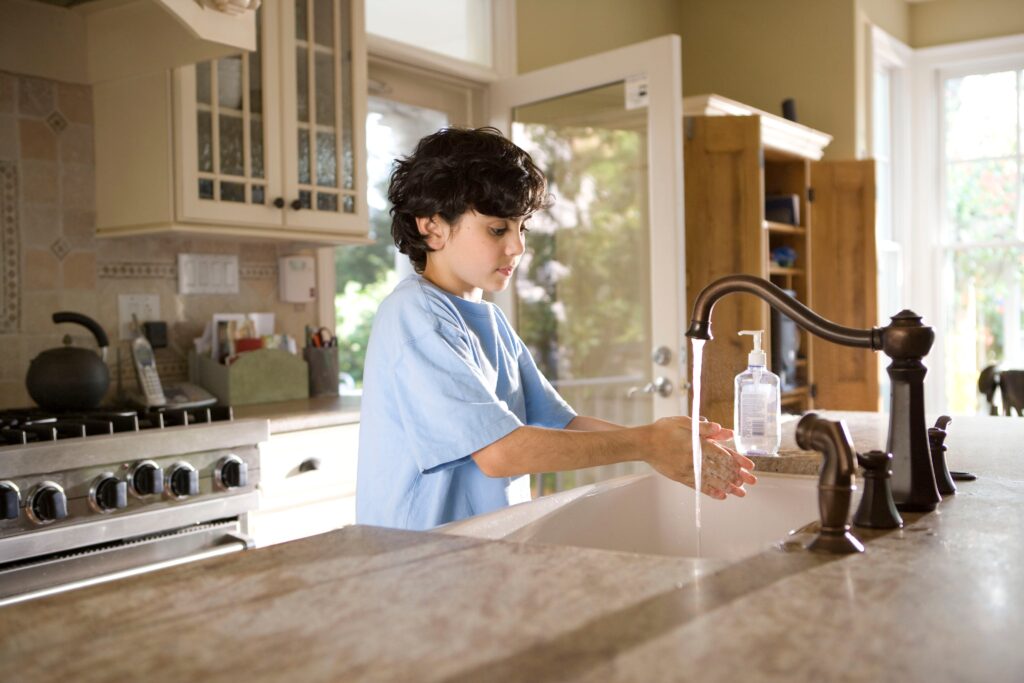
To help them understand why they must maintain good cleanliness, it is first important to explain germs and how they spread. Like insects, they are living things. They spread fast and make us ill when ingested. The only difference between germs and real bugs is that germs cannot be seen with the naked eye so your child must be cautious about the surfaces they come into contact with and remember to wash their hands thoroughly. What they should also do is catch sneezes and coughs to prevent germs from spreading further and protect others.
2. Reminders
Children can be forgetful, so you will need to remind your child to do these things for them to gradually become habits.
3. Unpleasant Smells
As well as germs spreading, good personal hygiene is important for avoiding unpleasant smells. To do so it’s important to wear washed, clean clothes and to shower regularly. If your child hates bath time, look for ways to make it a more enjoyable experience, like by introducing fun bath toys and letting them pick a bubble bath of their choice. Also work towards getting them to bath and shower by themselves so that they can look after this element of their personal hygiene when they are older.
4. Oral Hygiene
Another place that can accumulate unpleasant smells is the mouth which is why you must teach your child to brush regularly and floss in between. Not only that, but it will protect their teeth from decay and prevent them getting ill. This is something they can have a go at for themselves with a small child sized toothbrush. Just be sure that they have the right amount of toothpaste as this varies depending on age. It's also important to have your child signed up to a dentist as a way to improve and educate them on dental care.
This dentist who does dental implants in San Antonio TX adds that establishing these habits early helps children view oral maintenance as a natural part of their daily routine rather than a chore. Consistent supervision ensures they reach every surface of their teeth, while regular dental check-ups provide professional guidance to catch potential issues before they become painful or costly.
5. Toileting
As your little one grows up, they will start using a toilet and will need to learn how to clean themselves and flush afterwards.
Regular reminders and practice are important for teaching children to take ownership of their personal hygiene. Also be sure to set a good example by remembering to cover your mouth when you sneeze etc and taking germs seriously.


It's so important to teach children about personal hygiene eg washing hands etc x
Lucy | http://www.lucymary.co.uk
Some great tips in this post.. I think it's good to get teaching them early!
Rosie