AD. Every so often a bit of news comes along that makes me stop and think about how differently we all work now. This week it was the news that a new work space has opened in Central London, and a rather glamorous one at that. I'm a lifestyle blogger rather than a commercial property expert, but I do love a well-designed room, and I know plenty of freelancers, small business owners and remote workers who would love a proper alternative to the kitchen table.
So whether you run a business, work for yourself or just like to keep up with what's happening in the world of work, here's what I found out.
Why A New Work Space In Central London Is Big News
Working life has changed a lot over the last few years. Plenty of us now split our time between home and an office, and many teams no longer want a huge lease on a floor they only half use. That's why flexible offices and coworking spaces have become so popular, and why a new coworking space in Central London is worth a look.
The newcomer is from The Work Project, a workspace operator founded in 2016 and backed by the Asian property group CapitaLand. They already run around 20 locations across Singapore, Hong Kong and Australia, and London is their first step into the UK. I think it's quite exciting to see an operator with that much experience choose to start here.
Where It Is And What It Looks Like
The new space sits at One Leadenhall, a landmark tower in the City of London, and takes up levels 22 and 23. That's around 30,000 sq ft over two floors, with panoramic views across the London skyline. Honestly, I'd struggle to get any work done with a view like that, though I suspect you get used to it!
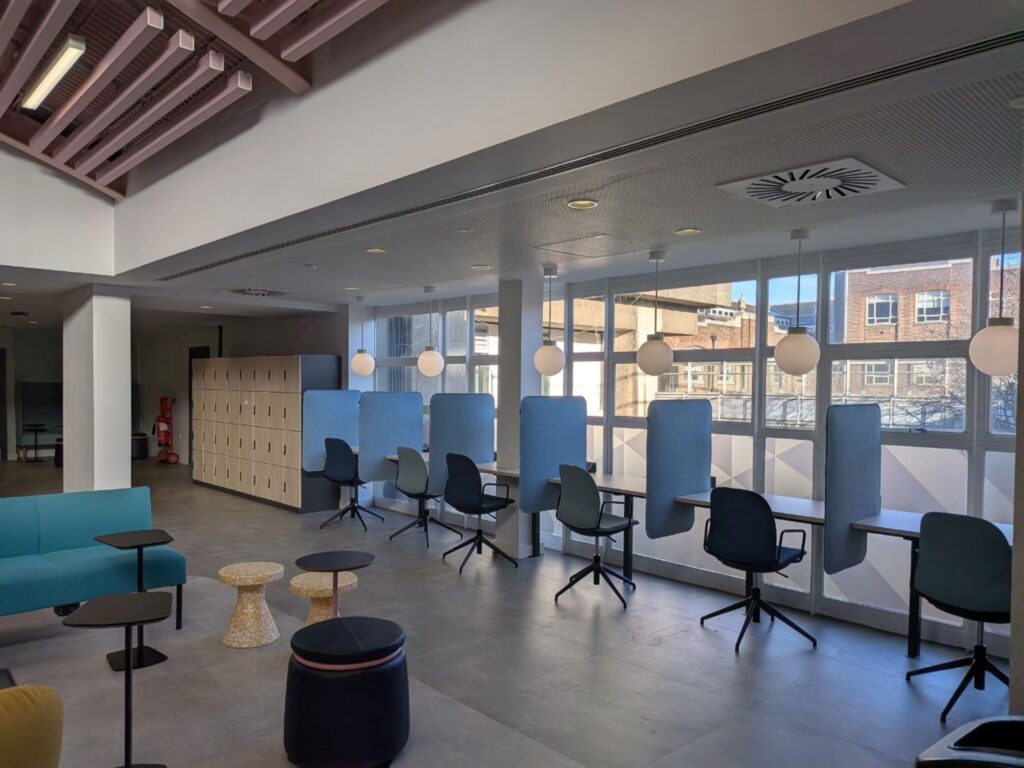
What I really like is that the design nods to its surroundings. The fit-out was created by Farago Han Studio, and it takes its inspiration from the neighbouring Leadenhall Market, with its Grade II* listed Queen Anne Revival architecture. Rather than the usual grey desks and strip lighting, you get arrival galleries, private lounges and plenty of natural light. After all, a space where you actually enjoy spending your day makes a big difference to how you feel about your work.
It's also very well connected. Liverpool Street, Bank and Monument stations are all within easy walking distance, and Leadenhall Market is right on the doorstep for lunch breaks and after-work drinks. There are dining and retail options inside the building too, which sounds very handy on a busy day.
Who Is This Kind Of Work Space For?
The offices are aimed at teams rather than individuals. Standard offices suit teams of around 5 to 20 people, whilst enterprise offices are designed for larger teams of 20 or more. Standard office members can use shared meeting rooms and phone booths in the common areas, and enterprise offices come with their own dedicated meeting rooms and phone booths.
One thing that struck me is how much the space is meant to feel like the company's own. Both office types include branding at the entrance wall, so clients feel they're walking into your business from the moment they arrive. If you've ever tried to impress a client from a noisy cafe, you'll understand why that appeals.
If you'd rather not commit to a physical office at all, there are other options too. The UK page also mentions virtual offices, which give you a business address in the City of London without a desk, and pay-as-you-go meeting rooms for when you need somewhere professional for the day.
Why Flexible Work Spaces Make Sense Right Now
I've been chatting to friends about this, and a few reasons keep coming up for choosing a flexible space over a traditional lease.
First, flexibility. Business needs change quickly, and being able to grow or shrink without a long lease is a huge relief for any small team. Second, the address. A prestigious postcode can do a lot for how clients and partners see you, especially if you're a young business trying to build trust. Third, community. Working alone can be isolating, and being around other motivated people, with events and networking opportunities, can be a real boost.
And then there's the hospitality side. The operator describes its approach as hotel-inspired, with a focus on service and making people feel welcome. I think that's a lovely idea. Work doesn't have to feel dull, and a bit of warmth goes a long way when you're spending most of your week somewhere.
A Few Things To Think About Before You Book
As much as I love a beautiful space, it's worth being sensible. A premium building in the heart of the City is not going to be the cheapest option, so it's worth thinking about what you actually need. How many people will be using the office? Do you need meeting rooms every day, or only now and again? Would a virtual office or pay-as-you-go room do the job for now?
My advice would be to arrange a tour so you can see the space for yourself, and to ask about terms, notice periods and what's included. Photos online are lovely, but nothing beats standing in the room and imagining your team working there.
What Comes Next For London's Work Spaces
The Work Project has big plans for the capital. They're aiming for a portfolio of around 400,000 sq ft across the City and the West End by 2030, with more locations planned in similarly prestigious buildings. That tells me the demand for high quality flexible space isn't slowing down, and it will be interesting to see how other operators respond.
Final Thoughts
The way we work will keep changing, and I love that spaces are finally catching up with how people actually want to work. A work space opening in Central London, with great views, thoughtful design and a focus on service, shows how far things have come from the dreary office of old.
Even if you're not in the market for an office, it's fun to see where the world of work is heading. And if you are, it might just be the nudge you need to take your business to the next level.