AD. A lab-tested label can tell you something useful about a supplement, but only when you know what was tested, which laboratory did the work and how the results relate to the product in your hand. The phrase alone doesn’t confirm safety, effectiveness or legal status. Good verification starts with the certificate of analysis, often shortened to COA. You’ll also need to check batch details, test methods and supplier transparency. This guide explains what to look for, including the warning signs that deserve closer attention.
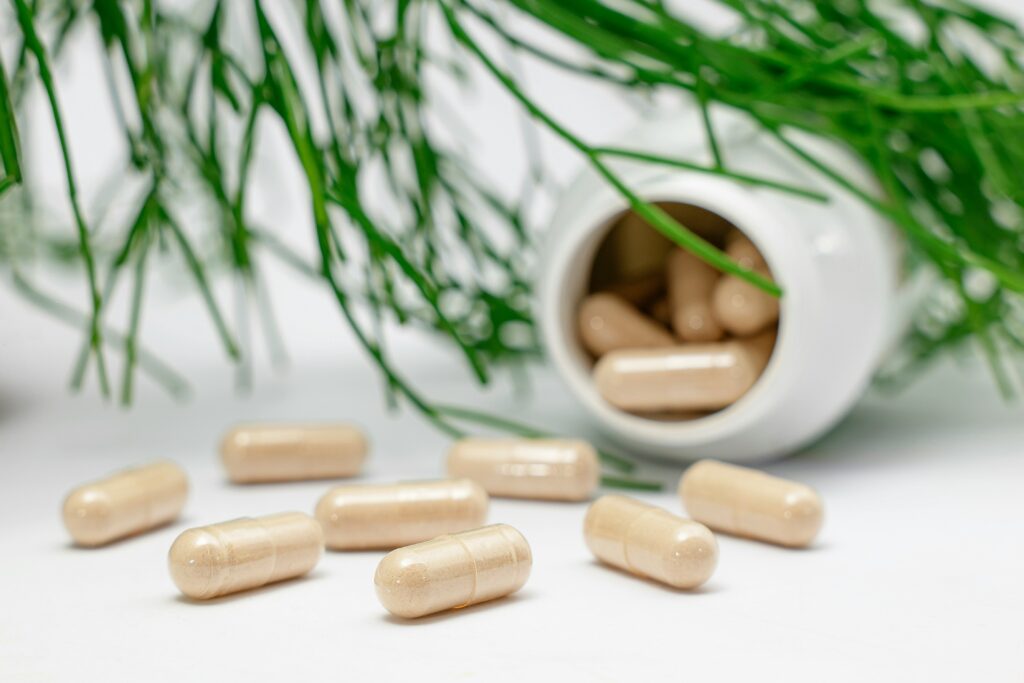
[Photo by Supliful on Unsplash]
Why Verification Matters More Than Ever
Supplement labels can contain precise-looking figures, from milligrams per capsule to percentages of active ingredients. Those numbers may come from laboratory testing, formulation calculations or information supplied by a raw material manufacturer. Without supporting documents, you can’t tell which applies.
Independent testing helps confirm whether a finished product matches its label. Depending on the product, a laboratory may check identity, potency, microbial contamination, heavy metals or unwanted chemical residues. Each test answers a separate question, so a single purity figure can’t cover every aspect of quality.
The first useful check is whether the evidence refers to the exact batch being offered. A supplier might publish a valid report for an older batch or show a raw ingredient certificate for a finished capsule product. Compare the COA’s batch or lot number with the number on the packaging. Dates should also make sense, with testing completed after manufacture and within a reasonable shelf-life period.
The same care applies when assessing products that sit outside the normal food supplement category. For example, a listing for Ostarine should be treated as a research compound listing, not evidence that the substance is an approved food supplement or suitable for personal use. Laboratory verification may establish identity or purity, but it doesn’t establish general safety.
Harvard Health’s guidance on vetting your supplements also recommends looking beyond marketing claims and discussing supplement use with a qualified healthcare professional, particularly if you take medication or manage an existing condition.
How to Read a Certificate of Analysis
Start at the top of the certificate and identify the laboratory, client name, product name and batch number. An independent laboratory should provide contact details or an identifiable business address. Accreditation information can add credibility, although you should confirm the stated scope because accreditation for one type of analysis doesn’t automatically cover every test on the report.
Next, find the sample dates. A useful COA usually shows when the laboratory received the sample, when testing took place and when the report was issued. Missing dates, unexplained alterations or a report produced before the stated manufacturing date are clear reasons to ask questions.
The results table should contain four main elements: the test performed, the specification, the result and the method. A specification sets the acceptable limit. For example, a product described as containing 500 mg of an ingredient per serving might have an agreed potency range around that amount. The result records what the laboratory measured, whilst the method identifies how it reached that figure.
Pay close attention to abbreviations such as ND, which usually means not detected, and LOQ, meaning limit of quantification. “Not detected” doesn’t always mean absolute zero. It generally means the substance wasn’t found above the method’s detection threshold. The clinician’s COA guide offers a helpful explanation of these report sections and their practical meaning.
Finally, look for approval details such as an authorised signature, report number and page count. A cropped screenshot can hide qualifications or notes on later pages. Ask for the complete PDF if the supplier presents only a small image.
Purity Checks in Active Compounds
Purity describes how much of a tested sample consists of the stated compound, yet it can easily be misunderstood. A result of 99 per cent purity for a raw material doesn’t confirm that each finished capsule contains the labelled dose. It also doesn’t show that the product passed microbiological, heavy metal or residual solvent screening.
Understanding supplement composition is equally important when assessing product quality. This guide to protein powder quality and ingredients offers further insight into what consumers should consider when choosing supplements.
Identity testing is the starting point. It checks whether the claimed ingredient is actually present. Potency or assay testing then measures its concentration. In a capsule containing a declared 10 mg active amount, for example, the relevant finished-product result should show how much was measured per capsule or serving. A raw powder assay expressed as a percentage answers a different question.
You should also consider dose consistency. Testing one sample may provide an accurate result for that sample whilst revealing nothing about variation across a bottle. Content uniformity testing checks several individual units and shows whether the active ingredient is distributed consistently. This matters when the stated quantity is small and uneven mixing could cause large differences between capsules.
Contaminant limits require units and test methods. A result for lead stated in parts per million can’t be assessed properly without an acceptable specification and suitable product context. Likewise, microbial results should identify the organisms or counts assessed. A general “passed” label offers little detail.
The British Supplement Certification Group explains useful COA warning signs, including mismatched product details, implausible specifications and missing laboratory information. Protein products offer another practical example because their reports may separate protein content, amino acid results and contaminant screening. This protein powder COA guide shows how those distinct figures fit together.
Questions to Ask Any Supplier
Before trusting claims such as “pharmaceutical grade” or “lab verified”, ask suppliers:
- Can you provide the complete COA for this batch?
- Was the finished product tested?
- Is the laboratory independent?
- Which tests were performed?
- Can the report be verified directly?
- How was the sample selected?
- Are the specifications and detection limits clear?
- What happens if a batch fails testing?
Check that the COA matches the product name, batch number, testing dates and reported results. These details help confirm that the certificate belongs to the specific product you intend to purchase. A report covering only raw ingredients does not verify the quality, potency or purity of the finished product. If any details are missing or inconsistent, ask the supplier for clarification before proceeding.
Be cautious of suppliers who withhold testing documents, provide incomplete certificates or pressure you into making a quick purchase. A credible supplier should be transparent about its testing procedures and willing to explain the results. Remember that laboratory testing alone does not establish regulatory approval or prove a product is safe or suitable for personal use. Consult a qualified healthcare professional when assessing supplement safety, particularly if you take medication or have an existing medical condition.