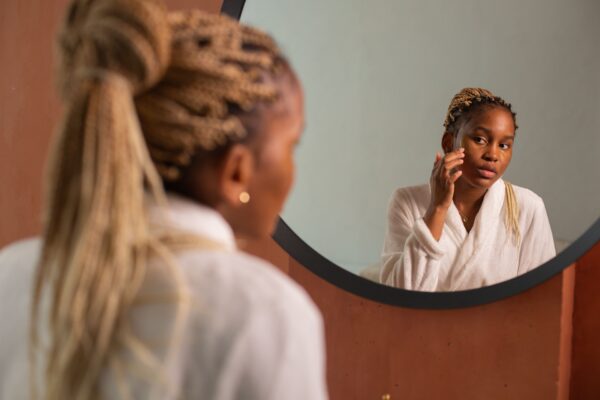
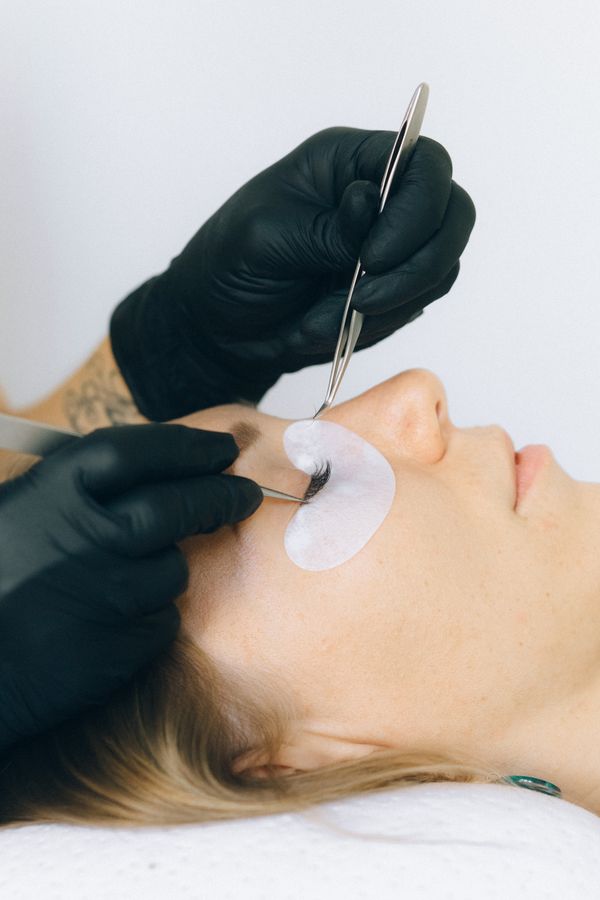
AD. Most of us have had that moment. You're going through your bank statements and the numbers don't add up, because somehow you've spent a small fortune on appointments and touch-ups over the past year. A facial one month, a filler top-up the next, lash extensions every three weeks like clockwork. None of it looks expensive on its own, but the annual total can quietly balloon into something that'd make you wince if you saw it all at once.
Not every beauty treatment works like that, though. A handful of procedures will cost more upfront, but they won't chain you to a calendar full of maintenance bookings and follow-up fees for years afterwards. So which ones actually hold their value, and where does the maths start working against you?
Orthodontics: The Quiet Powerhouse
Straight teeth don't get the same hype as a fresh set of veneers, but orthodontic work is one of the most lasting beauty investments anyone can make. Traditional braces or clear aligners will both deliver results that are meant to be permanent, as long as you wear your retainer afterwards. That's the catch, but it's a small one.
Private fees in the UK tend to land between £2,000 and £6,000 depending on how much correction you need. Once treatment wraps up, there’s no quarterly appointment hanging over you to keep things in place. Teeth whitening, by comparison, wears off after a few years and needs redoing, which makes the long-term value of straight teeth hard to argue with. Well-aligned teeth also change how your entire face photographs, and that’s something no amount of contouring can do on a permanent basis.
Laser Eye Surgery: Paying Once to See Clearly
LASIK and similar corrective procedures have been around long enough now that there’s decades of real-world data to back them up. According to the American Academy of Ophthalmology, around nine in ten patients end up with vision between 20/20 and 20/40 without glasses or contacts, and the correction itself is permanent, even though your eyes will still age like everyone else’s.
You’ll pay somewhere between £1,500 and £3,000 per eye in the UK, and for many people that’s the last big bill for distance vision. Factor in decades of prescription glasses, contact lens subscriptions, bottles of solution and regular eye tests for updated prescriptions, and the one-off cost starts to look like a bargain. There’s also the less obvious perk of waking up and actually being able to see the alarm clock, which anyone who’s fumbled around for their glasses at 6am will understand on a deeply personal level.
Hair Transplants: One Procedure, Permanent Growth
Hair restoration used to carry a real stigma. That's changed. Modern FUE (follicular unit excision) techniques transplant individual hair follicles from a donor area to wherever thinning has occurred, and because those transplanted follicles are genetically resistant to the hormones behind hair loss, the growth is permanent. Both men and women can benefit from the procedure.
The cost of getting a hair transplant will vary depending on how many grafts are needed and how complex the work is, but most people in the UK pay somewhere between £3,000 and £15,000. That's a big number, but compare it to years of topical treatments like minoxidil, salon-based thickening sessions, specialist shampoos and concealers, all of which add up to thousands over a decade and stop doing anything the moment you stop paying. A transplant grows in and stays put.
Laser Hair Removal: The Slow Goodbye to Razors
Full-body laser hair removal isn't permanent in the same way a transplant is. However, most people need around six to eight sessions before they see a significant, lasting drop in hair growth. You might need a touch-up once a year or so after that, but the routine of weekly shaving, monthly waxing appointments and dealing with ingrown hairs will be a thing of the past.
A full course for a larger area like legs or back will typically run into four figures in the UK. Stack that against a lifetime of razors, shaving cream, wax strips and salon visits, and laser comes out ahead surprisingly fast. The initial time commitment can be tedious, six to eight appointments spread over months, but the payoff grows every single month you don’t have to think about hair removal at all.
Permanent Makeup: Low-Maintenance Beauty on Autopilot
Cosmetic tattooing has moved on massively from the harsh, block-colour brows of the early 2000s. Techniques like microblading, lip blushing, permanent eyeliner and even freckle tattooing now produce subtle, natural-looking results that can last anywhere from one to five years, depending on the treatment and your skin type.
You’ll typically pay a few hundred pounds per treatment area, and while you will need a refresh at some point, the daily time savings are hard to ignore. If you spend even ten minutes a day on brows, liner, lip colour and a bit of concealer, that’s over sixty hours a year you’ll get back. Anyone who’s ever been late to something because their eyeliner refused to cooperate will find that figure very persuasive.
Where Recurring Treatments Fall Short
Facials, injectables and lash extensions can absolutely be worth the money, depending on what someone’s goals are. The issue is the financial model they run on. Botox needs refreshing every three to four months. Filler lasts six to eighteen months. Lash extensions need fills every two to three weeks. Even a modest maintenance routine can easily run to thousands of pounds a year, and everything disappears the moment you stop going.
These treatments are often excellent at what they do. Nobody's disputing that. But the money going towards upkeep every month could be redirected towards something that sticks around without a standing appointment on the calendar.
The Real Calculus of Long-Term Beauty
If you think of beauty spending as a portfolio and not a string of one-off purchases, the picture gets clearer quickly. Treatments that cost more upfront but don't require ongoing maintenance will deliver far more value over a five or ten-year window than the ones that keep you booking in every few weeks. Orthodontics, laser eye surgery, hair transplants, laser hair removal and permanent makeup all share the same basic trait: you pay once (or close to once) and the results keep ticking along in the background without another appointment on the books.
That doesn't mean you should cancel every recurring treatment tomorrow. But if you're looking at your annual beauty spending and wondering where it all went, try flipping the question around. Instead of asking "what do I need to maintain this month," ask "what could I invest in once and stop thinking about?" That one question might change how you spend for years.