AD. Adopting a more sustainable lifestyle can feel like a huge mountain to climb, but really, it's all about making small, consistent changes rather than trying to flip everything upside down overnight. It’s about being more thoughtful with our choices, from what we buy to what we throw away. By focusing on practical steps, we can genuinely make a difference without feeling completely overwhelmed.
This guide shares simple, easy ways to live more sustainably, showing that every little bit truly does add up.
Mindful Consumption Habits
One of the biggest impacts we can make is simply to buy less stuff. Before you grab your wallet, it's worth hitting pause and asking yourself a few questions: Do I really need this? Could I borrow it from a friend or neighbour instead? Is there a second-hand option out there? This shift in thinking helps us avoid impulse buys and lowers the demand for new products, which in turn saves all the resources and energy used to make them.
"Fast fashion" and single-use items create a ton of waste. So, grabbing a reusable water bottle, a travel coffee cup, and durable clothes from ethical brands are fantastic places to start. Learning how to live sustainably means gradually swapping out those disposable habits for more lasting, thoughtful ones. It’s not about being perfect, but about making conscious choices whenever you can.
Reduce, Reuse, Recycle
The classic “Reduce, Reuse, Recycle” approach remains a powerful way to reduce environmental impact. Start by buying less and avoiding unnecessary packaging, then reuse items such as glass jars, old clothes and furniture whenever possible. When something can no longer be reused, recycle materials such as paper, glass, plastic and metal properly. For businesses handling large volumes of packaging, a horizontal baler can compact materials for more efficient transport and recycling.
Composting and Food Waste
Food waste is a big problem, with UK households tossing out millions of tonnes of food every year. Just a few simple habits can drastically cut down on what you throw away. Meal planning is a brilliant way to make sure you only buy what you need, while getting creative with leftovers stops good food from ending up in the bin. It’s also helpful to understand the difference between 'best before' dates (which are about quality) and 'use by' dates (which are about safety).
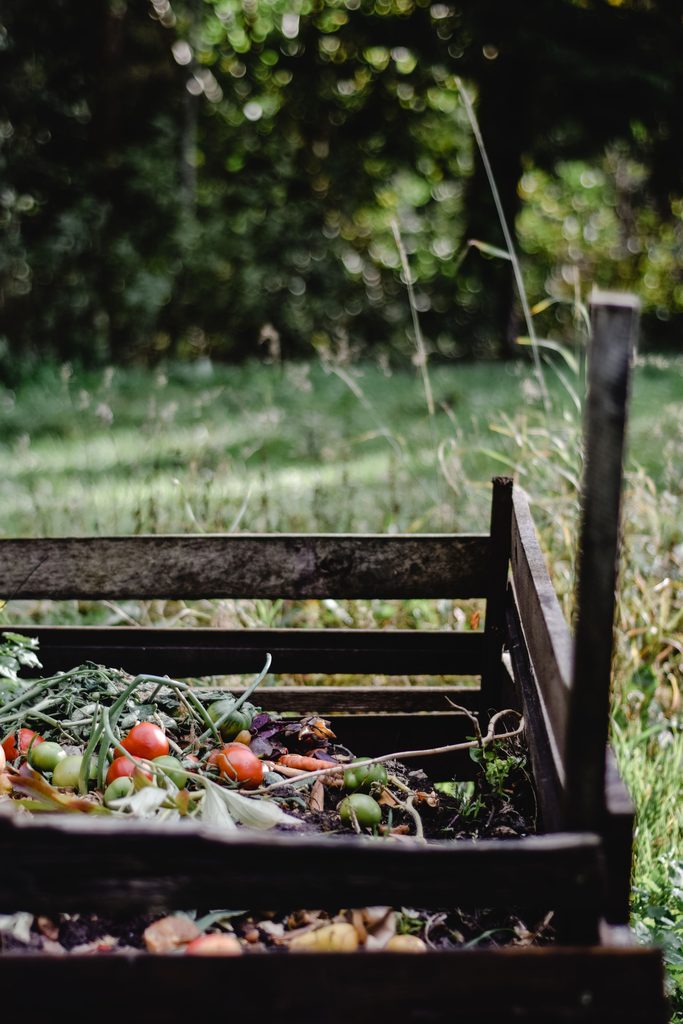
For those unavoidable bits like vegetable peelings, eggshells, and coffee grounds, composting is an excellent solution. A small compost bin in the garden or even a wormery on a balcony can turn kitchen waste into nutrient-rich compost for your plants. It’s a closed-loop system that keeps waste out of landfill, where it would otherwise release harmful methane gas. Adopting these simple sustainable lifestyle tips can significantly reduce your carbon footprint.
Scaling Up Waste Efforts
Once your home systems are in place, extend your sustainability efforts to work and the wider community. Encourage workplace recycling, reduce paper waste, and introduce food-waste or battery collection points. You could also join local litter-picking groups, repair cafés or community gardens. These simple actions support the environment while helping build stronger local connections.
Supporting Local and Ethical
Where we choose to spend our money is a powerful vote for the kind of world we want to live in. Supporting local businesses, farmers, and artisans helps strengthen the local economy and often comes with a smaller environmental footprint. Shopping at a farmers' market, for example, means your food has travelled fewer miles to reach your plate, and you can often buy it without excessive plastic packaging.
When you're buying something new, try to pick brands that are open about their environmental policies and supply chains. Look for certifications like Fairtrade, B Corp, or the Soil Association logo, which show that a product has met certain ethical and environmental standards. It might take a little more digging, but supporting companies that put people and the planet first helps push the whole industry in a more responsible direction.
Living more sustainably is a journey of continuous learning and getting better bit by bit. The main thing is to start small, celebrate your wins, and don't get too down about the occasional slip-up. Every conscious choice you make helps create a healthier planet for all of us.