AD. The rigid 9-to-5 workday? For many, it's quickly becoming a thing of the past. For decades, our lives revolved around a fixed schedule dictated by office hours. But now, a global shift in how we work has opened up exciting new ways to balance our professional and personal lives. This newfound flexibility isn't just a fleeting trend; it's a fundamental rethink of what it means to be productive and truly fulfilled.

[Photo by Vitaly Gariev on Unsplash]
Rethinking Traditional Office Hours
These days, 'work' isn't just about a specific place or a strict eight-hour block. Technology has freed us from our desks, letting us get things done from almost anywhere with an internet connection. This means we're focusing more on what we achieve and the results we deliver, rather than just clocking in. Lots of companies are now embracing asynchronous work, where team members collaborate across different schedules, trusting their employees to manage their own time well. This move towards giving people more control is a big part of the future of flexible work and how we measure productivity. It lets individuals fit their work around their life, instead of the other way around.
Benefits for Families and Individuals
This shift brings some pretty big benefits that touch every part of our daily lives. For families, it could mean being there for the school run without a crazy rush, or attending a child’s sports day without needing to take a whole day off. It also makes it easier to be available for unexpected appointments. This takes a lot of pressure off parents and carers, leading to a more integrated and less stressful family life. For individuals, it opens up time for personal growth, hobbies, or fitness. Imagine heading out for a run at 11 am when you feel your energy dip, or finishing work early to catch an evening class. This ability to rethink work-life balance isn't about working less, but about working smarter in a way that truly supports your overall well-being.
Professional Spaces for Flexibility
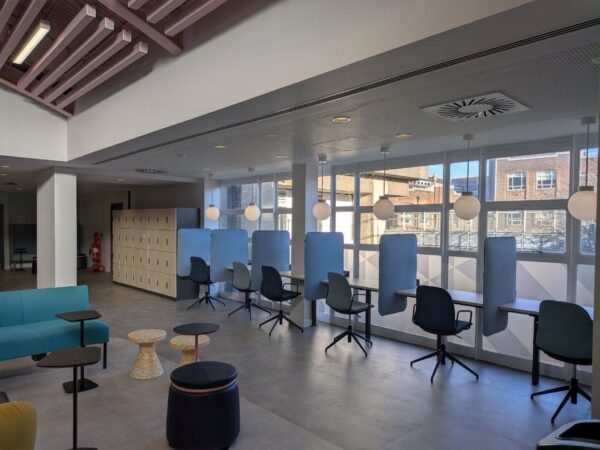
While working from home offers amazing freedom, it's not always a perfect fit. That kitchen table can be a constant source of distractions, and feeling isolated can be a real challenge for those who thrive on social interaction. That's where the idea of a 'third space' comes in – a professional spot that isn't your traditional corporate headquarters. Flexible offices are a brilliant middle ground. They give you the structure and amenities of an office without the commute or a long-term commitment. For freelancers, startups, or even bigger companies trying out a hybrid model, using a serviced office for a few days a week can really help you focus and offers a welcome change of scenery. Flexible workspace providers such as Hope Park workspaces give businesses access to fully furnished offices, meeting rooms, reliable internet and other workplace essentials without requiring them to manage a traditional office setup. This can make it easier to create a professional working routine while still maintaining the flexibility that hybrid work provides.
Creating Your Own Work Rhythm
With all this flexibility comes the responsibility of managing your own schedule effectively. The trick is to really understand and respect your personal energy cycles. Are you an early bird who does their best thinking before 9 am, or a night owl who really gets going in the evening? Instead of fighting your natural rhythm, try to lean into it.
You can design your workday around your most productive hours. For example, try using techniques like time-blocking:
- Schedule your deep work for when you're most focused.
- Group smaller administrative tasks together.
- Block out personal time for exercise, lunch, and breaks.
Setting clear boundaries is super important too. When your home is also your office, it's easy for work to creep into your personal time. If you're still figuring out how to make remote work fit into your routine, these practical tips for working from home can help you create a more comfortable and productive setup. Having a dedicated workspace, even if it's just a corner of a room, and a clear 'end of day' routine can help you switch off and be fully present in your home life.
Sustainable Work-Life Design
Ultimately, the goal here is to create a sustainable work-life design that feels just right for you. There's no single perfect solution. For some, a fully remote role might be ideal, while for others, a hybrid model of two days in an office and three at home is the perfect mix. The beauty of this new era of work is all about choice. It means having honest conversations with your employer and with yourself about what you need to thrive both professionally and personally. By embracing flexibility and intentionally designing our schedules, we can build careers that not only support our financial goals but also truly enrich our lives.
This isn't just about finding a better balance; it's about creating a more integrated and joyful way of living where work and life don't have to compete, but can happily coexist.