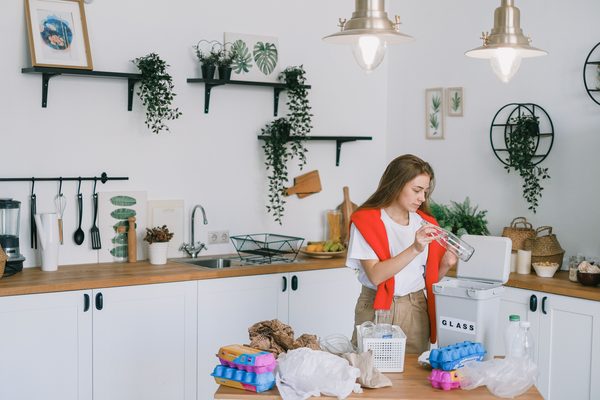
AD. Making sustainable choices at home now extends far beyond reusable coffee cups and tote bags. How we manage the waste we create is a critical piece of the environmental puzzle. Adopting eco-friendly disposal habits isn't just about sorting plastics from paper, it's a mindset that prioritises reducing, reusing, and responsibly handling everything we no longer need. This guide will walk you through the key principles and practical steps for becoming a more conscious consumer and waste manager.
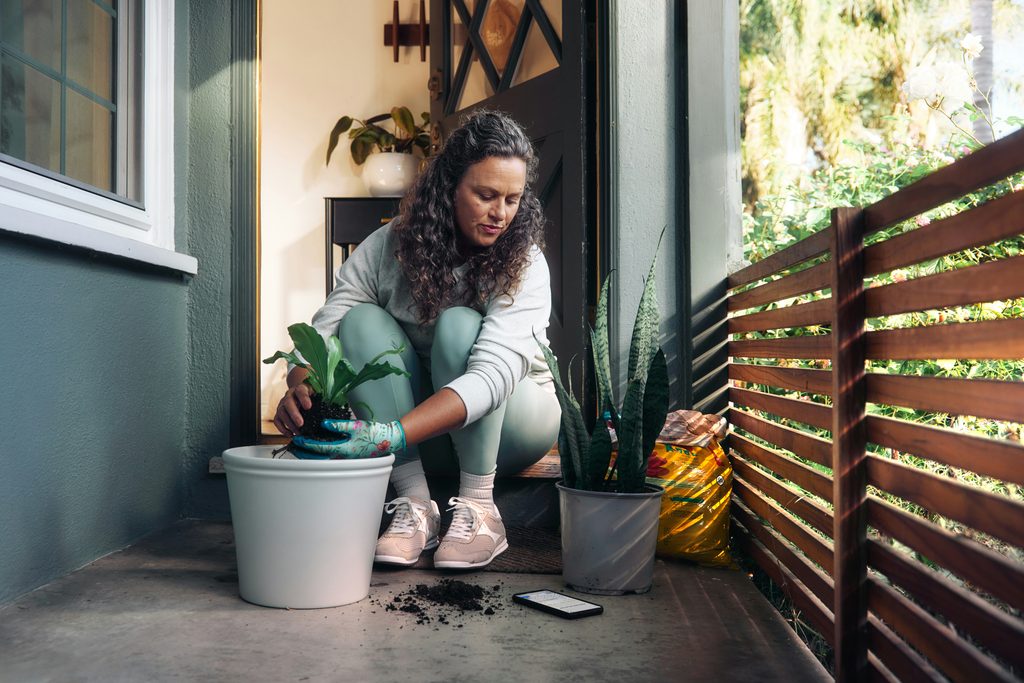
[Photo by Microsoft Copilot on Unsplash]
Understanding Sustainable Disposal
Minimising the environmental impact of rubbish is what sustainable waste disposal is all about. Instead of a linear "take, make, dispose" model where items end up in landfill, this approach focuses on a circular system. The goal is to keep materials in use for as long as possible. This is often visualised as the "waste hierarchy".
The hierarchy puts reduction first, meaning you create less waste to begin with. After that comes reusing items, followed by recycling and composting. Disposal, like sending waste to landfill, is the very last resort. Following this hierarchy means you start seeing unwanted items not as rubbish, but as potential resources.
Choosing Responsible Waste Services
Most households get good service from their council's kerbside collections for day-to-day rubbish and recycling. But for bigger clear-outs, renovations, or garden projects, you'll often have more waste than your bins can handle. In these situations, choosing a responsible disposal service is essential.
Using an unlicensed operator might seem cheaper, but it carries a significant risk. Your waste could end up fly-tipped in a local beauty spot or country lane. You might even be held liable. To make sure your waste is handled legally and ethically, always choose a registered waste carrier. A professional service like Junk Taxi will manage the collection, sorting, and proper disposal for you. They'll ensure as much as possible avoids landfill and gets recycled correctly. This gives you confidence that your clear-out won't come at an environmental cost.
Recycling Beyond the Kerbside
Kerbside recycling is getting better, but many common household items still can't go into your recycling bin. Learning how to dispose of these correctly is a big step towards sustainability.
- Soft Plastics: Things like bread bags, crisp packets, and plastic film can often be recycled at larger supermarkets. Look for collection points near the entrance.
- Batteries: Never put batteries in your general waste or recycling bins. They can cause fires and leak harmful chemicals. Most supermarkets and electronics shops have battery collection boxes.
- Electronics: Old electrical items, from toasters to phones, contain valuable materials that should be recovered. Your local household waste recycling centre will have a dedicated area for these.
- Textiles: Unwanted clothes, shoes, and linens that aren't good enough to be donated can often be recycled at textile banks. You'll frequently find these in supermarket car parks or at recycling centres.
Many local authorities are exploring policies that go beyond recycling to help build a more circular economy, but individual action still makes a big difference.
Donating and Reusing Items
Before you even think about recycling, ask yourself if an item could have a second life with someone else. Donating and reusing are powerful ways to reduce waste, save resources, and support your local community.
Charity shops are the most obvious place for good-quality clothing, books, toys, and homeware. For furniture, many charities offer a free collection service. Online platforms like Freegle or local Facebook groups are also excellent for passing on items directly to people in your area who need them. Don't forget about repairs either. A broken appliance or a torn garment can often be fixed, saving you money and stopping another item from ending up in landfill.
Reducing Your Overall Waste
The most effective way to be eco-friendly is to simply create less waste. This means making conscious choices before you even buy something. The core principles are universal, and even professional guides on managing waste and waste reduction in large buildings contain lessons we can apply at home.
Start with small, manageable changes:
- Choose loose fruit and vegetables instead of pre-packaged ones.
- Take your own containers to the butcher or deli counter if they allow it.
- Switch from disposable products like kitchen roll and face wipes to reusable cloths.
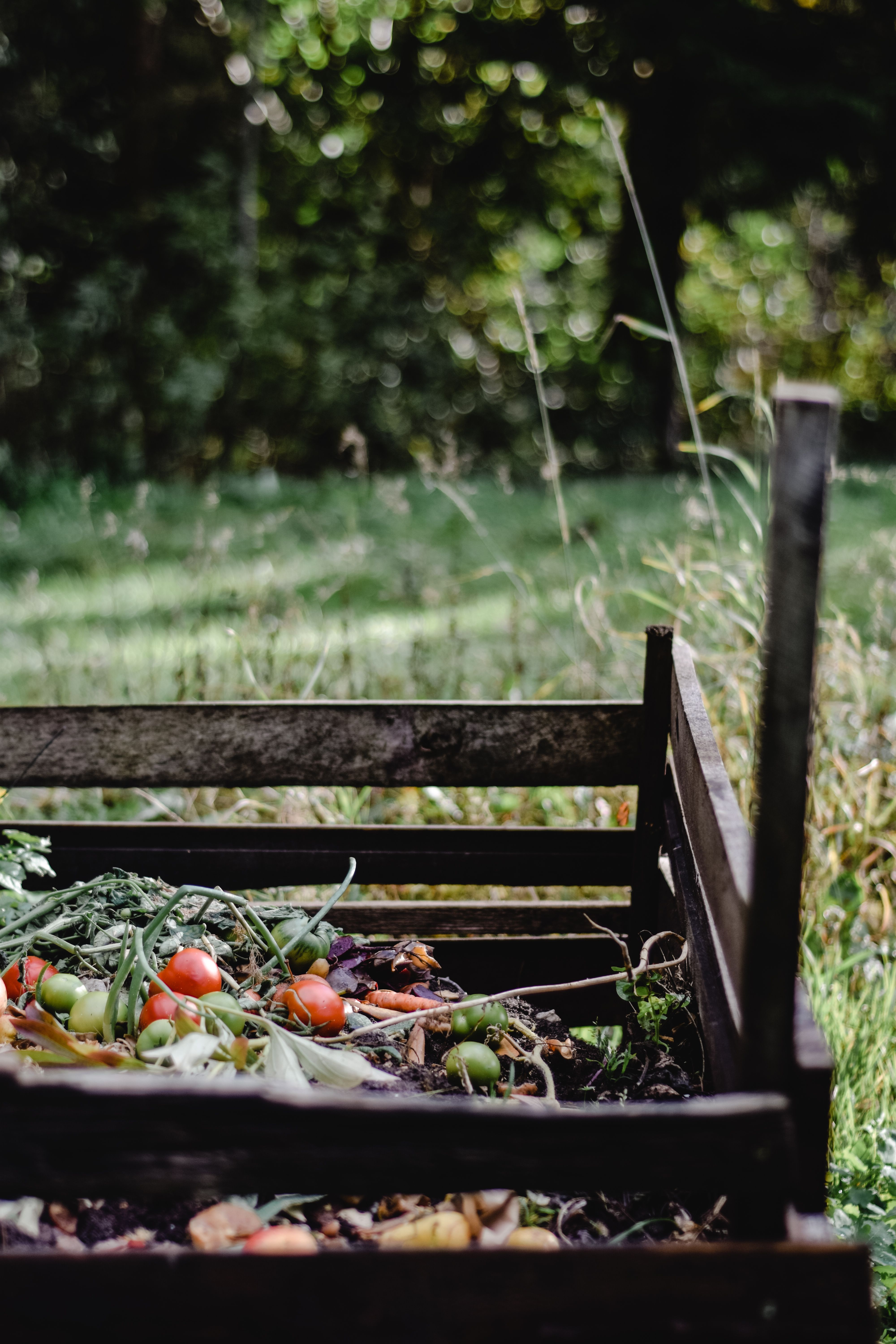
- Start a compost bin for food scraps, which can enrich your garden soil.
- Say no to freebies and promotional items you don't really need.
Adopting a more sustainable approach to waste doesn't require an immediate, complete lifestyle overhaul. Start by picking one new habit, like setting up a dedicated bag for charity shop donations or finding your local soft plastic recycling point, and build from there.