AD. Moving to university is an exciting new chapter, and it’s the perfect time to build habits that will stick with you for life. Along with learning to cook, manage a budget, and navigate a new city, you can also pick up simple practices to live more sustainably. Being eco-conscious as a student doesn't have to be expensive or complicated; in fact, many green habits can actually save you money. These small changes, when made collectively, can have a significant positive impact. From reducing energy consumption to embracing eco-friendly products, students on campus are increasingly redesigning living spaces for sustainability and inspiring others to follow suit.

Eco-Friendly Swaps for Student Homes
When you're first setting up your new student home, it's easy to just grab the most convenient options. But with a little thought, you can make choices that are better for the planet and your wallet in the long run. As you set up your university accommodation, think about investing in reusable items. Swap disposable coffee cups for a thermal mug for your morning lectures. Instead of cling film, use beeswax wraps or silicone lids for covering leftovers. In the bathroom, consider switching to solid shampoo and conditioner bars; they cut down on plastic bottle waste and last for ages. For cleaning, you can often make your own effective solutions with white vinegar and bicarbonate of soda, saving money and reducing chemical use.
Reducing Waste in a Shared House
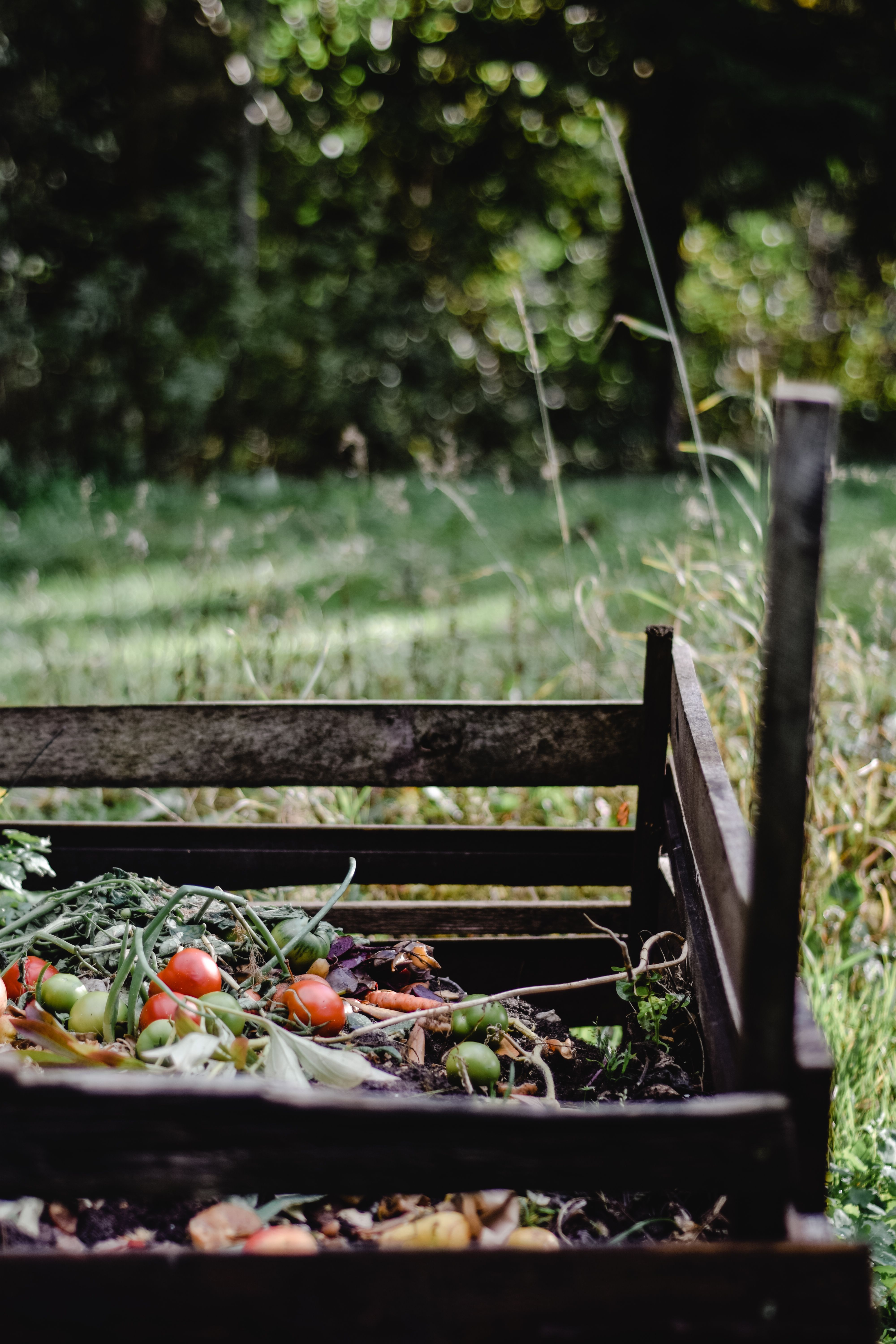
Living with others means more potential for waste, but it's also a chance to work together. The first step is to set up a clear, easy-to-use recycling system. Get different bins and label them clearly so there’s no confusion about what goes where. You could even start a food waste caddy; many local councils collect food scraps for composting. Planning a few meals together each week is a great way to cut down on food waste. This lets you buy ingredients in bulk, reducing packaging and preventing half-used bags of veg from going bad in the fridge. For social events, skip the disposable plates and plastic cups. It might mean a bit more washing up, but it's a simple change that makes a big difference. Many students are already finding creative ways to improve their sustainable living practices on campus.
Energy Saving Tips for Your New Place
Energy bills can be a source of stress in a student house, but cutting down on your consumption is good for your bank balance and the environment. Get into the habit of unplugging chargers and appliances when they're not in use, as many continue to draw 'vampire power' even on standby. When a lightbulb needs replacing, choose an LED version. They use significantly less energy and last much longer. Simple kitchen tricks, like putting a lid on your pans when cooking, can help food heat up faster, using less gas or electricity. For laundry, washing clothes at 30°C is usually just as effective and uses far less energy than a hot wash. Before you reach for the thermostat in colder months, put on another layer of clothing first.
Conscious Consumption on a Budget
Living sustainably often means buying less, which fits perfectly with a student budget. Before buying something new, ask yourself if you really need it. For clothing, furniture, and course books, check local charity shops, vintage stores, and online marketplaces first. You can find unique items and save a fortune. There are also fantastic apps designed to fight food waste, like Too Good To Go and Olio, where you can get discounted food from local eateries or free surplus food from neighbours. Learning a few basic repair skills can also go a long way. Sewing on a button or fixing a wobbly chair leg is more empowering and far cheaper than buying a replacement. Learning how to live more sustainably is about being resourceful and mindful of your impact.
Embracing a few of these habits can make your time at university more affordable and fulfilling. It’s not about being perfect, but about making small, conscious choices that add up over time.