AD. You step outside with a cup of tea, ready for five minutes of peace, and there it is. The rake leaning against the fence. A stack of empty pots by the back door. A muddy track across the lawn where everyone cuts through to the bins. Sound familiar?
Most of us want a garden that looks lovely and is easy to use. The trouble is, the practical bits often end up as an afterthought. But practical and pretty don’t have to cancel each other out. A few thoughtful changes can make your outdoor space easier to look after and far nicer to spend time in. If you’ve already been bringing more colour and texture into your garden, these ideas help the practical side catch up.
1. Give Each Part of the Garden a Job
Even a small garden works better when each area has a purpose. Think about how you actually use the space. Maybe there’s a spot for eating outside, a corner for growing herbs and somewhere for the bins.
Once you know what goes where, you can separate the zones gently. Low hedging, a row of planters or a slim trellis all work without boxing anything in.
2. Make Use of Awkward Corners
Most gardens have one. It might be the narrow strip down the side of the house, the gloomy patch behind the shed or the slope nobody quite knows what to do with.
These spots are often perfect for practical things. A side return can hold bins or a compost bay, while a shady corner might suit a simple bench. If it’s dry and dark, the RHS has some helpful planting ideas for dry shade that cope where other plants struggle.
3. Treat Storage as Part of the Design
Clutter outside has the same effect as clutter indoors. Tools, pots, bags of compost and the summer paddling pool all add up, and the garden starts to feel busy. Getting those things out of sight is one of the easiest ways to make a space feel calmer, much like decluttering your home.
Storage can look good, too. A timber shed painted to match your fence, or softened with a climbing rose, can sit comfortably within the planting. Traditional makers such as Elfords, who build garden sheds in Hampshire, show how a timber building can blend in with a garden. Where space is tight, a storage bench that doubles as seating or a slim lean-to store against a wall works just as well.
4. Keep the Little Things Organised
It’s often the smaller bits that cause the most mess. Trowels go missing, cushions get left out in the rain and outdoor toys end up all over the lawn.
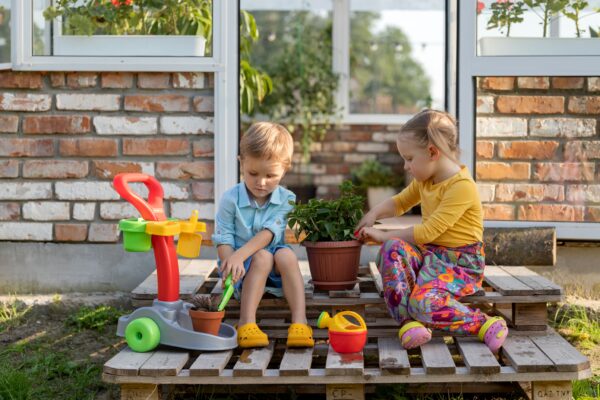
A few hooks or a rail on the fence keeps hand tools together. A lidded, weatherproof box gives toys a home, which is handy if you’ve set up a family-friendly play space.
5. Add Paths You’ll Actually Use
Pay attention to where people already walk. If there’s a worn track to the washing line, that’s where a path should go.
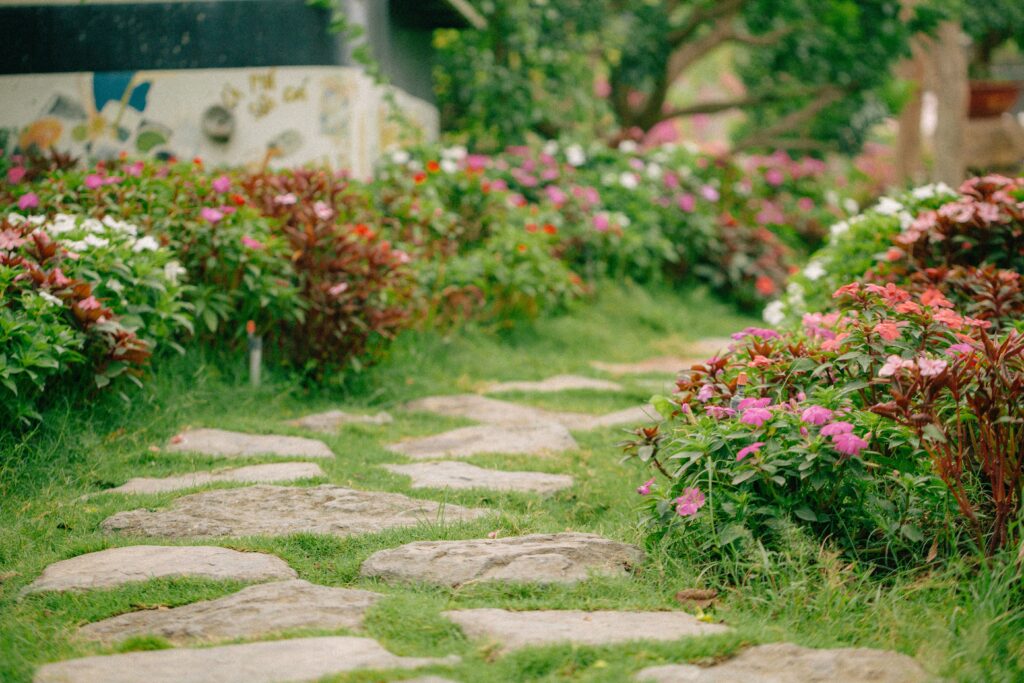
Gravel, stepping stones and reclaimed brick all look natural in most gardens. Materials that let rainwater drain through also help prevent puddles. The government’s guidance on permeable surfacing explains why this matters if you’re paving a front garden. Creeping thyme between stepping stones softens the edges nicely.
6. Grow Upwards When Space Is Tight
When there’s no room to spread out, go up. Climbers on fences, wall planters and trellis panels add greenery without taking up floor space.
Vertical planting is also a clever way to hide the less attractive practical bits. A trellis in front of the bins keeps them handy without them being the first thing you see.
7. Choose Plants That Suit the Layout
Plants that suit your soil and light need far less fuss. A few evergreens give the garden shape through winter, and seating areas are the best spot for anything fragrant.
If bending down to weed is becoming a chore, the RHS notes that raised beds are easier to manage and more accessible for anyone with limited mobility.
8. Think About Lighting and Materials
Solar stake lights along a path and festoon lights over a seating area mean you can stay out on summer evenings.
It’s also worth choosing furniture and finishes that can handle a British winter. Hardwood, metal and good-quality all-weather materials tend to age well.
A Garden That’s Easy to Love, Not Just to Look At
Remember that rake by the fence and the muddy track to the bins? Neither needs a full redesign. A proper home for your things, a sensible path and a few well-chosen plants can make the garden easier to look after and far more inviting.
Start with whatever bugs you most. Fix one thing this weekend and see how it feels. Chances are, you’ll want to keep going.