Hosting elderly loved ones or guests in your home is a wonderful opportunity to provide care and create cherished memories. However, it’s essential to ensure that their temporary space not only feels welcoming but is also tailored to meet their specific needs. With thoughtful planning and a focus on safety and comfort, you can design a guest room that allows them to relax and feel at ease.
This guide offers practical, easy-to-implement tips for making your spare room and adjacent bathroom safe, comfortable, and functional for elderly visitors.
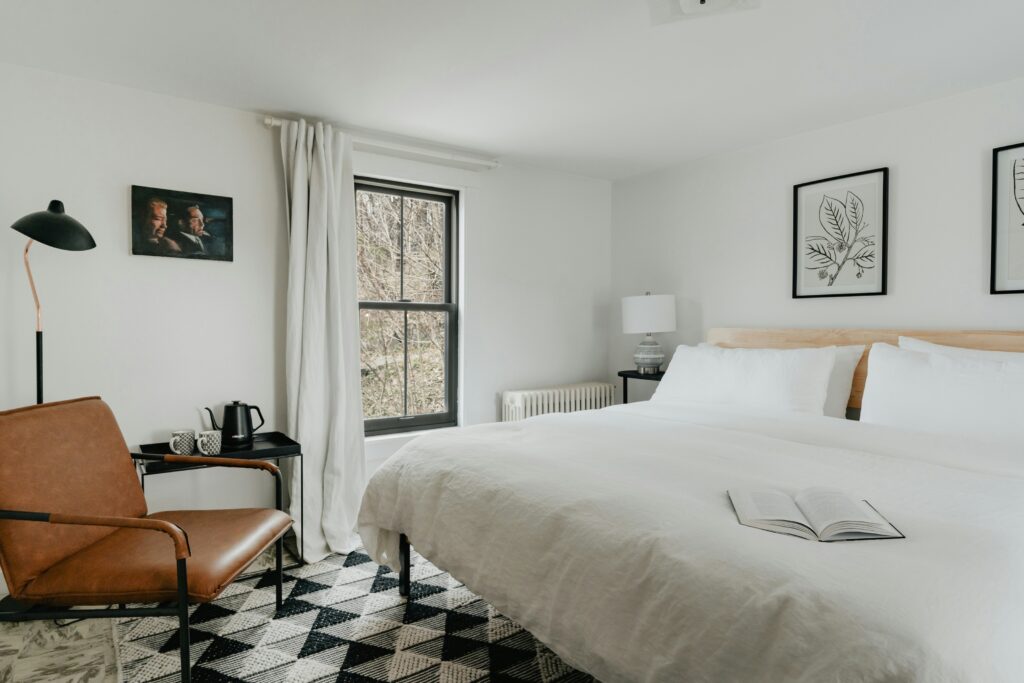
[Photo by Clay Banks on Unsplash]
Creating a Safe and Comfortable Guest Room
Older adults often face mobility challenges or health concerns that can make moving around a space difficult. Here’s how you can transform a typical guest room into a senior friendly retreat.
Prioritise Clear, Open Space
Mobility aids such as walking sticks, wheelchairs, and canes require more room to manoeuvre than you might think. Clear out unnecessary furniture and decor to give your elderly guest ample space to move around safely.
- Declutter walkways: Ensure pathways are clear of rugs, cords, or any trip hazards. Use non slip mats or carpets instead.
- Rearrange furniture: Position the bed and essential furniture in a way that minimises awkward twists and turns when walking around.
- Choose reliable furniture: Avoid lightweight or unstable chairs or tables that could pose a tipping hazard.
Safe Bedding Options
Getting in and out of bed can be surprisingly difficult for those with limited mobility. Fortunately, the right bed setup can make things easier.
- Adjust bed height: Ensure the bed is at a comfortable height so your guest can stand up or sit down without strain,. Roughly knee height is ideal. You could add sturdy bed risers or remove a mattress topper to achieve this.
- Bedside rails: If your guest needs added support, consider installing removable bed rails. Many portable options are available that provide stability without being intrusive.
- Soft bedding: Opt for breathable, soft materials that ensure a comfortable sleep but avoid overly heavy blankets, which could be difficult to move.
Exceptional Lighting
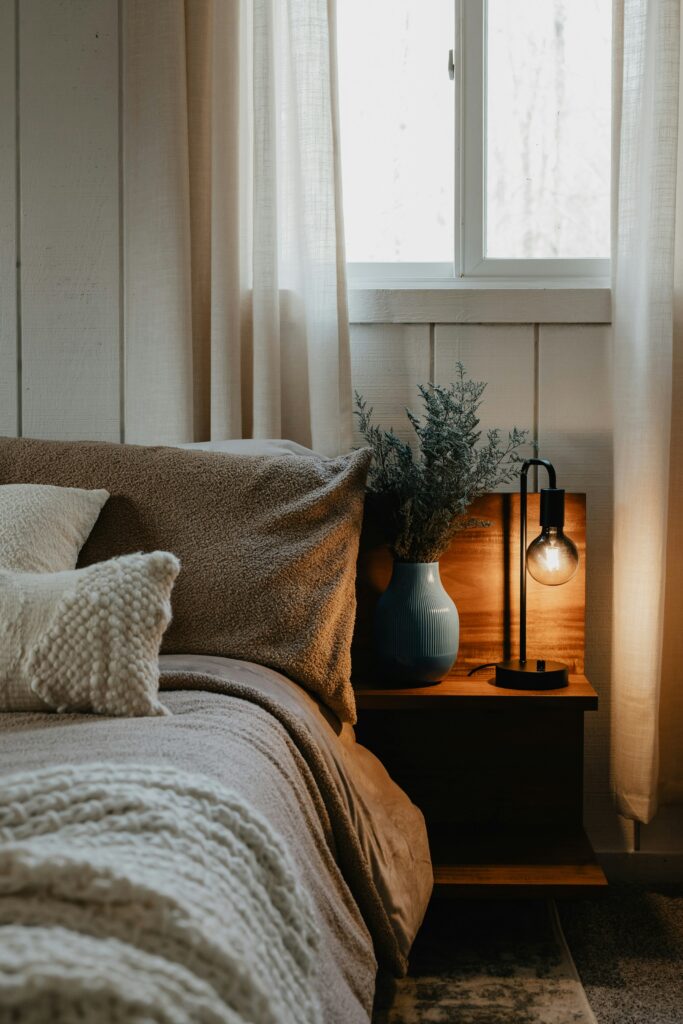
Dim rooms can be disorienting and increase the risk of accidents. Bright, adjustable lighting can make a world of difference.
- Layer your lighting: Combine ceiling lights, bedside lamps, and motion sensor nightlights to offer flexibility.
- Nightlights: Place soft nightlights along the pathways between the room and bathroom to guide your guest after dark.
- Consider smart lighting: Voice activated or motion sensor lights offer convenience and added safety for elderly guests.
Purposeful Seating
Place a comfortable chair with armrests somewhere within the room for rest or dressing. Chairs with sturdy frames and firm cushions are easier to get in and out of than squishy or low seated options.
Mobility around the wider home matters just as much as seating, particularly if your guest room sits on an upper floor and the staircase becomes a daily obstacle. For a short stay, it rarely makes sense to buy new, so look into reconditioned stairlifts, which cost considerably less than brand new models and can often be installed on a curved or straight staircase within a few days. Just confirm the model suits your guest's weight and reach and that the controls are simple enough to use without help.
[Photo by Clay Banks on Unsplash]
Ensuring Bathroom Safety and Accessibility
For elderly visitors, the bathroom is often the riskiest area to navigate due to its slippery surfaces and confined layout. If you’re planning to renovate your bathroom, then make sure you mention to your bathroom designers that you want the space to be elderly-friendly. If you’re not undertaking a full remodel, then adding specific aids and thoughtful design touches helps to mitigate that risk.
Non Slip Surfaces
Slips are unfortunately common in bathrooms, especially when water is involved. Invest in essentials to create a secure environment.
- Non slip mats: Place mats both inside and outside the shower or bath to provide traction.
- Anti slip coatings: These can be applied to bath or shower floors for added grip without the need for bulky additions.
Assistive Equipment
Providing supportive aids in the bathroom is crucial for maintaining both safety and independence.
- Grab bars: Install sturdy grab bars near the toilet, shower, and bath for extra stability. Make sure they’re securely fixed to the walls.
- Shower stand aids: Height adjustable shower stools are ideal stand aids for visitors who may struggle to stand for extended periods.
- Swivel bath seats: For bathtubs, swivel bath seats make entering and exiting the bath much safer and easier.
Elevated Bathroom Fixtures
Bending or squatting can be difficult for some elderly individuals. Elevating bathroom fixtures reduces strain and makes using these spaces easier.
- Raised toilet seats: A raised toilet seat can make standing up much simpler for those with joint or mobility issues.
- Accessible vanities: If the bathroom allows, install a vanity unit with a lower height or seated access.
Don’t Forget the Little Luxuries
While safety is paramount, little extras can show your thoughtfulness and enhance your guest’s stay.
- Temperature control: Ensure the room has sufficient heating or cooling options to keep your guest comfortable. Older adults can be more sensitive to temperature changes.
- Personal touches: Leave fresh towels, an extra blanket, and a few toiletries within easy reach.
- Entertainment: A small TV, some books, or a radio can make your guest feel more comfortable and entertained during their visit.
Making Elderly Guests Feel at Home
Ultimately, designing a safe and comfortable guest room for elderly visitors is about thoughtful preparation and attention to detail. While safety features like grab bars and non slip mats are essential, small personal touches can go a long way in making your loved ones feel truly at home.
Take the time to prepare their space with care, and you’ll ensure they treasure their stay—and the time they get to spend with you!


Bed rails are important as some elderly people do struggle to get out of bed! The room mustn't be too cluttered in case of a fall, and they also need freedom to move around properly.
Lucy | http://www.lucymary.co.uk