AD. Interior design is a harmonious blend of aesthetics and functionality, where every element contributes to the overall ambiance of a space. Among these elements, rugs have held a timeless appeal, serving as both decorative and practical additions to interiors. Rugs have the unique ability to anchor a room, creating zones within open layouts, and adding a layer of comfort underfoot. From Persian masterpieces that tell stories of ancient craftsmanship to modern minimalist designs, the right rug can transform a space. Whether placed in a living room to define the seating area, in a bedroom to add warmth, or in a hallway as a welcoming touch, rugs have become indispensable in curating inviting interiors.
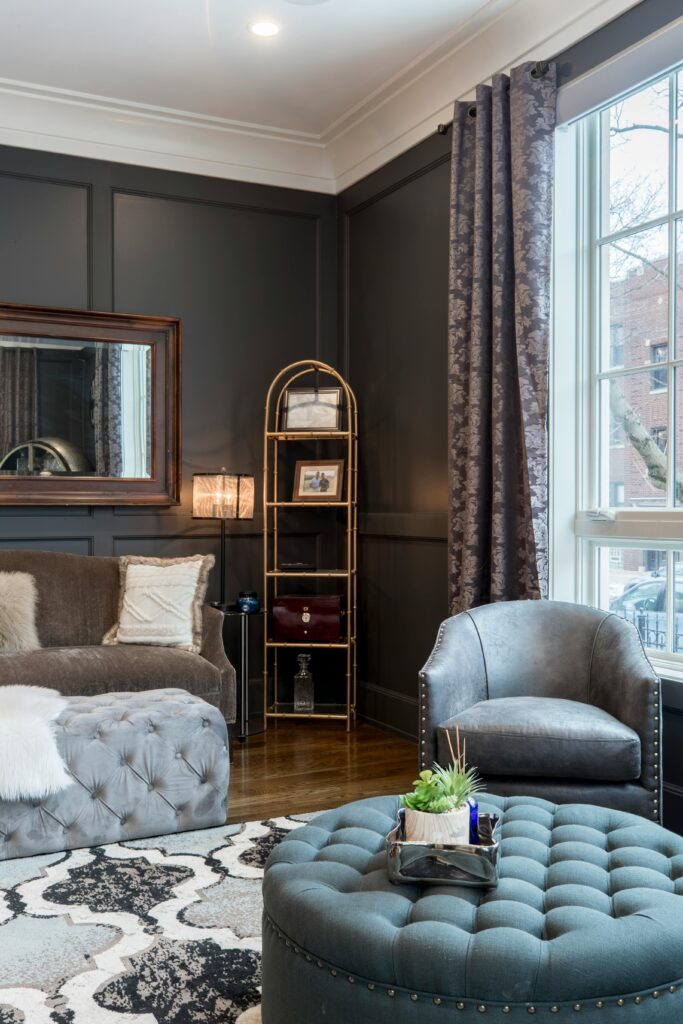
[Photo by Alex Qian]
A newer trend - fluted wall panels is gaining traction in modern interior design. These panels, with their vertical grooves, bring an architectural dimension to walls, furniture, and even ceilings. The texture and rhythm created by fluted panels add depth and sophistication to spaces, making them an excellent choice for those looking to break the monotony of flat walls. Fluted panels are versatile and can be crafted from a variety of materials, including wood, MDF, or even metal, allowing designers to customize them to suit both traditional and contemporary styles. When paired with rugs, the contrast of smooth textile surfaces with the structured lines of fluted panels creates a visual interplay that is both dynamic and harmonious. These elements, used thoughtfully, can elevate a space from ordinary to extraordinary.
Rugs not only serve aesthetic purposes but also contribute significantly to the functionality of a room. They act as sound absorbers, reducing echoes and enhancing acoustic comfort, which is particularly valuable in open-plan layouts or large spaces. Additionally, rugs protect flooring from wear and tear, acting as a barrier between heavy furniture and delicate surfaces. The material of the rug plays a crucial role in determining its durability and feel. Wool rugs are known for their resilience and warmth, making them perfect for high-traffic areas, while silk rugs add an air of luxury to formal spaces. Synthetic rugs, on the other hand, offer affordable and durable solutions, ideal for households with pets or children.
Fluted panels, meanwhile, have become a symbol of understated luxury in modern homes. They are often used as accent walls to create a focal point in living rooms or bedrooms, or as a way to add texture to cabinetry and wardrobes. Their versatility extends to their ability to be stained, painted, or left in their natural state, offering endless possibilities for customization. Fluted panels also have practical benefits; they can conceal imperfections in walls and hide seams or joints in modular furniture. When paired with ambient lighting, the interplay of light and shadow on the grooves of fluted panels creates a striking effect, adding to the room's character.
Choosing the right rug involves considering various factors, including size, pattern, and color. A rug that is too small can make a space feel disjointed, while one that is too large can overwhelm the room. The goal is to strike a balance, ensuring the rug complements the furniture layout and overall aesthetic. Patterns and colors should align with the room's theme, whether that means opting for bold geometric prints in a contemporary setting or intricate floral motifs in a traditional space. The layering trend, where multiple rugs are stacked to create depth and texture, is also gaining popularity, offering an opportunity to mix and match designs.
When it comes to integrating fluted panels into a design, their placement can greatly influence the room's mood. Panels installed vertically can create an illusion of height, making ceilings appear taller, while horizontal installations can make a room feel wider. Combining fluted panels with natural materials, such as stone or timber, can further enhance their impact, creating a tactile and organic aesthetic. Fluted panels are also becoming a favorite in commercial interiors, adding sophistication to office spaces, restaurants, and retail environments. Their seamless integration with other design elements makes them a versatile choice for both residential and professional settings.
In conclusion, rugs and fluted panels are powerful tools in the world of interior design, each offering unique contributions to the aesthetic and functional aspects of a space. Rugs bring warmth, comfort, and artistic flair, while fluted panels add texture, depth, and architectural interest. Together, these elements can create interiors that are not only visually appealing but also resonate with the personality and lifestyle of their inhabitants. Thoughtful integration of these design features ensures that spaces are not only beautiful but also practical and enduring, reflecting the evolving trends and timeless principles of interior design.

That room looks incredible!
Danielle Writes | danielle-writes.co.uk
I'm definitely inspired to rethink my interiors now. Maybe start with a cute rug for my living room 😀
Lenne | http://www.lennezulkiflly.com
This was an insightful read on how rugs and fluted panels can completely transform interior spaces. I especially appreciated the discussion on choosing the right rug size, material, and placement to enhance both aesthetics and functionality. The tips on budget-friendly decorating were also very practical for homeowners looking to refresh their spaces without overspending.