AD. Change is often portrayed as something that requires a complete reset. Step away from everything. Take time out. Rebuild from scratch. But real life rarely allows for that. Work continues. Family responsibilities remain. Daily routines do not stop just because you have decided something needs to shift. The good news is that meaningful personal change does not require you to put your life on hold. In fact, some of the most lasting transformations happen within the structure of everyday life. Here is how to approach change in a way that fits into your world, rather than disrupting it completely.
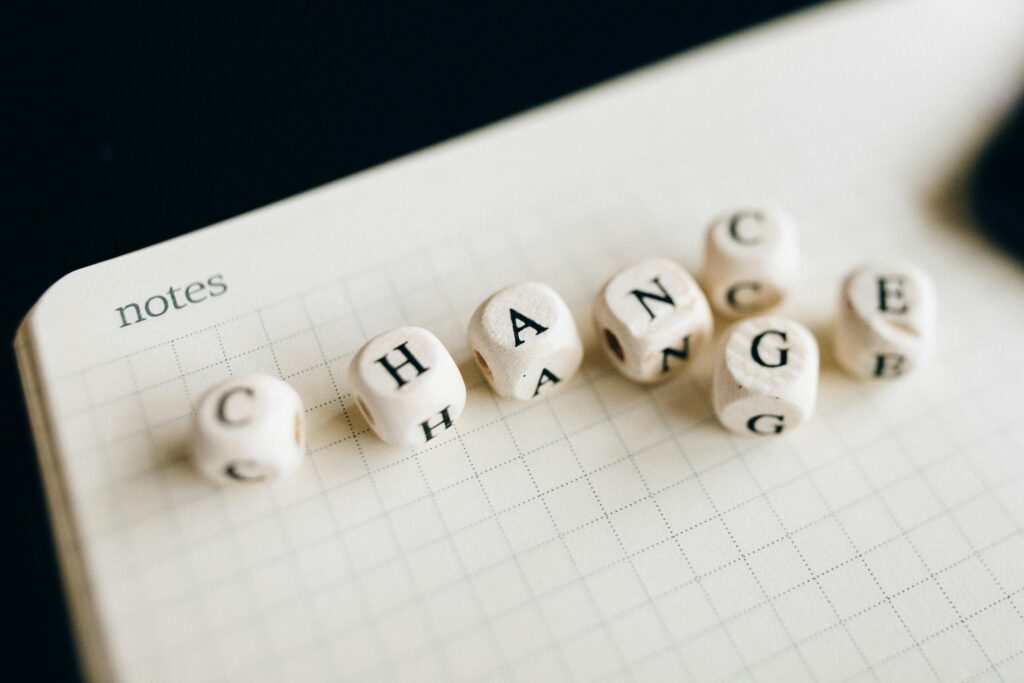
[Photo by Nataliya Vaitkevich]
Start by Redefining What Change Looks Like
One of the biggest barriers to change is the belief that it has to be dramatic. This mindset can make the process feel overwhelming before it even begins. Instead, think of change as a series of small, consistent adjustments. It is less about a complete overhaul and more about gradually shifting patterns over time.
This could mean:
- Adjusting how you respond to stress
- Changing one daily habit rather than ten
- Introducing small moments of reflection into your routine
When change feels manageable, it becomes something you can sustain rather than something you avoid.
Build Around Your Existing Routine
Rather than trying to create an entirely new lifestyle, look at what already exists in your day. Your routines are not obstacles. They are opportunities.
If your mornings are busy, focus on small changes in the evening. If your schedule is packed, look for short windows rather than long blocks of time. Even five or ten minutes of intentional action can create momentum.
By layering new habits into existing routines, change becomes part of your life instead of something separate from it.
Focus on One Area at a Time
Trying to change everything at once is one of the quickest ways to lose progress. Instead, choose one area to focus on first. This might be your sleep habits, your stress management, or your relationship with certain behaviours.
When you focus your energy, you are more likely to see results. Those results then create motivation to continue. Progress in one area often spills into others, making change feel more natural and less forced.
Accept That Discomfort Is Part of the Process
Change does not feel comfortable at first. That is part of what makes it meaningful. There may be moments where old habits feel easier. There may be times when motivation dips or progress feels slow.
This does not mean you are doing something wrong. It means you are adjusting.
Learning to sit with discomfort rather than avoid it is a key part of sustainable change. Over time, what once felt difficult becomes familiar.
Stay Connected to Your “Why”
When life gets busy, it is easy to lose sight of why you wanted to change in the first place.
Take time to reconnect with your reasons. Whether it is improving your mental health, creating more balance, or feeling more in control, your “why” provides direction when motivation fades. Keeping this front of mind helps you stay consistent, even when progress feels gradual.
Use Support That Fits Your Life
Not all change has to happen alone. In fact, having the right support can make the process significantly more manageable. The key is finding support that works alongside your responsibilities rather than replacing them.
Outpatient addiction treatment at Castle Health is designed with this in mind. They allow individuals to access structured, professional support while continuing to work, care for family, and maintain daily routines.
This kind of flexibility makes it possible to prioritise change without stepping away from life entirely.
Track Progress in Realistic Ways
Progress is not always obvious. It often shows up in small shifts rather than big milestones.
You might notice:
- Responding differently in situations that used to feel overwhelming
- Feeling slightly more in control of your habits
- Experiencing fewer moments of stress or reactivity
Recognising these changes helps build confidence and reinforces the effort you are putting in. Tracking progress does not have to be formal. Simple reflection is often enough.
Be Flexible, Not Perfect
Life is unpredictable. There will be days when plans do not go as expected. Instead of viewing this as failure, treat it as part of the process. Flexibility allows you to adapt without losing momentum. Missing a step does not undo your progress. What matters is returning to your intention and continuing forward.