ADPR. Whether you're just starting your fitness journey or already deep into your training routine, choosing the best gym trainers can make a huge difference in your performance, comfort, and injury prevention. But here’s the truth: there’s no single “best gym shoe.” The best training shoes for the gym depend entirely on how you train. From weightlifting and HIIT to treadmill running and spin classes, each workout requires different features. In this guide, we’ll break down:
- Expert tips to improve performance and avoid injury
- The best gym trainers for different workouts
- What to look for when choosing gym shoes
[Photo by Alex Morón Campos]
Why Choosing the Right Trainers for the Gym Matters
Wearing the wrong trainers during a workout isn’t just uncomfortable, it can lead to injury, poor performance, and even long-term damage. Think of your shoes as a key piece of equipment. Just like you wouldn’t use a yoga mat for deadlifting, you shouldn’t wear running shoes to a spin class. The right pair of trainers for gym classes and specific workouts will provide the necessary support, stability, and comfort to help you work out safely and effectively.
For example:
- Running shoes = too soft for lifting
- Flat shoes = poor shock absorption for cardio
That’s why choosing the right gym training shoes is just as important as your workout plan.
What to Look for When Choosing Your Gym Trainers
When it comes to selecting the best trainers for the gym, here are a few essential features to keep in mind:
- Fit and comfort: Your gym shoes should feel snug without being tight. Look for trainers with good arch support and breathable materials.
- Support: Different workouts require different types of support. Running for example needs cushioning and lifting requires more stability.
- Grip and traction: Good grip is essential, especially for dynamic movements in classes or HIIT sessions.
- Durability: Gym workouts can be tough on shoes. Choose quality trainers that can withstand wear and tear.
- Purpose-built design: Look for shoes designed specifically for your primary gym activity. You’ll notice the difference in performance for sure.
- Style. Many gym-goers prefer versatile options like ladies black trainers that match a variety of outfits and transition easily from workout to casual wear.
- Versatility: If you mix workouts, look for cross training shoes that balance stability and flexibility.
Best Adidas Trainers for Different Types of Gym Activities
1. Running on the Treadmill
Treadmill running is a staple cardio exercise that places repeated impact on your joints and demands constant forward motion. If you spend time on the treadmill or doing cardio, you’ll need lightweight, cushioned running trainers that absorb impact. It’s essential to wear shoes that absorb shock, support your stride, and reduce fatigue. This is especially useful during interval runs or longer endurance sessions.
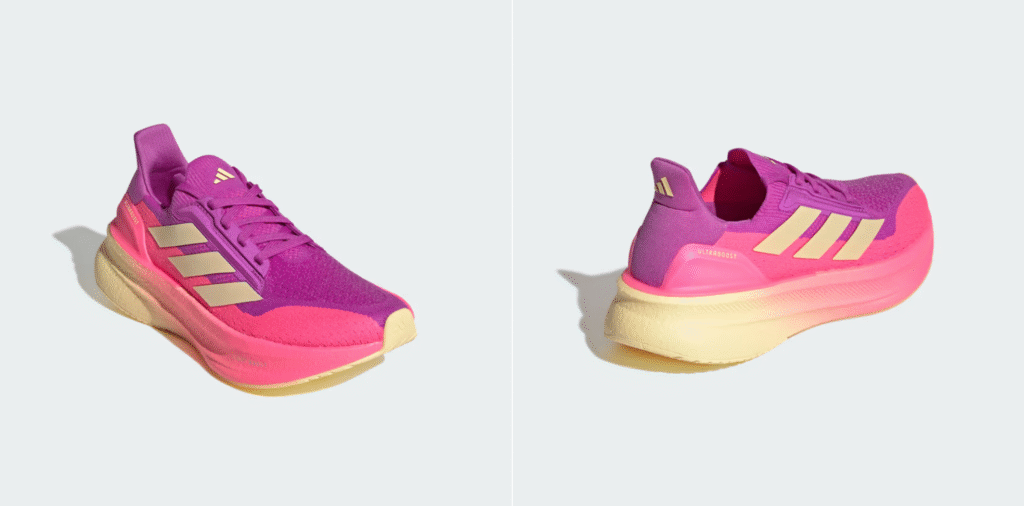
Top Pick: adidas Ultraboost 5x
These trainers are perfect for cardio lovers. With adidas' renowned Boost cushioning, they provide excellent energy return and comfort, making them ideal for long treadmill sessions. The snug fit and knitted upper ensure breathability and flexibility, helping to reduce hotspots and blisters. Plus, their fun and stylish design means you can show a bit of your personality in gym sessions.
For those who run outdoors, or commute to the gym in unpredictable weather, investing in waterproof trainers can be a game-changer. These shoes help keep your feet dry and comfortable, allowing you to stay focused on performance instead of the forecast. adidas offers several weather-resistant options that don’t sacrifice breathability or style.
2. Strength Training
Strength training involves controlled, grounded movements where balance, posture, and alignment are key. Whether you're performing squats, lunges, or shoulder presses, a stable shoe will help you maintain proper form and avoid injury. For lifting weights, stability is everything. You need a firm, grounded shoe that keeps you balanced. A minimal heel-to-toe drop and a firm platform are essential for optimal force transfer through your legs and into the ground.
Top Pick: adidas Dropset Trainer
Specifically engineered for lifting, the adidas Dropset provides a low heel-to-toe drop for stability and features dual-density midsole zones for support where you need it. The heel area is firmer for weightlifting stability, while the forefoot is slightly softer to allow natural movement. This versatile option is ideal for people who like to switch between machines and free weights in the same session.

3. HIIT Workouts and Circuit Training
HIIT workouts and circuits push your body through a mix of high-intensity movements. From burpees and mountain climbers to kettlebell swings, box jumps and everything in-between. These sessions demand shoes that can keep up with sudden bursts of power, movements, and constant changes in direction. Poor grip or unstable footing can really hold you back, or worse, cause injury.
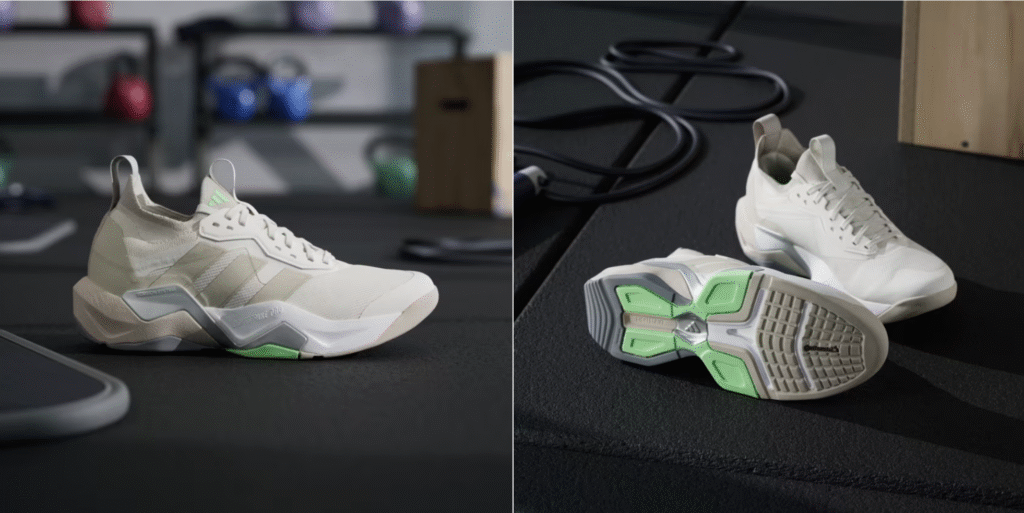
Top Pick: adidas Rapidmove ADV 2
The adidas Rapidmove ADV 2 is designed specifically for high-intensity, multi-directional training. It features a supportive heel clip for added stability, a cushioned midsole for impact protection, and a flexible forefoot to allow natural movement during quick transitions. With a breathable mesh upper and durable rubber outsole for excellent traction, it's one of the best trainers for gym classes that demand agility and speed. Whether you're powering through circuits or smashing a full-body HIIT workout, these trainers have you covered.
4. Heavy Weightlifting
When you're lifting heavy, stability is everything. For serious lifters, regular trainers won’t cut it. You need weightlifting shoes with a stable base and raised heel. A raised heel can help improve squat depth and posture, while a solid, incompressible sole ensures maximum power transfer and balance. These shoes aren’t meant for cardio, they’re for serious, focused lifting.
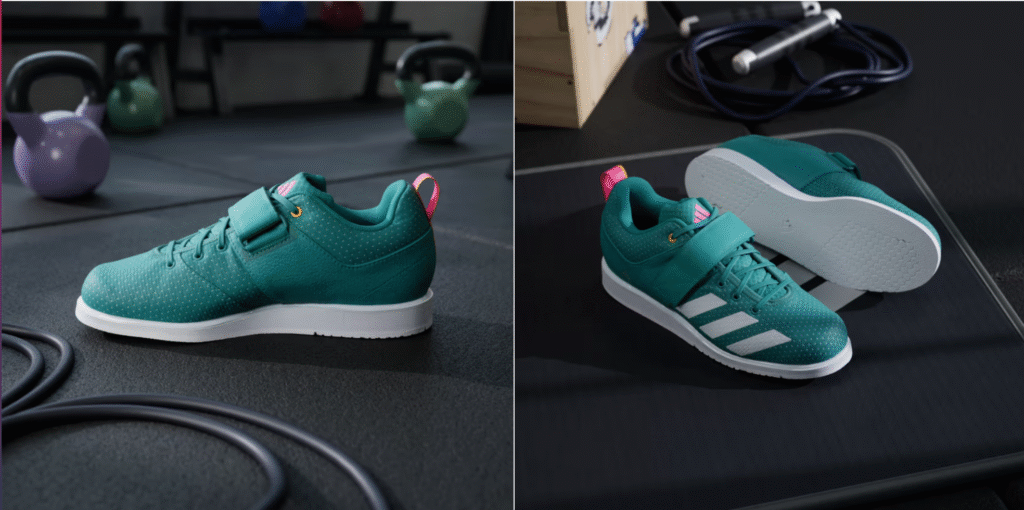
Top Pick: adidas Powerlift 5
A firm favourite among serious lifters, the Powerlift 5 has a high-density midsole and a reinforced heel. The slightly raised heel helps create rock solid stability under heavy loads. Its lightweight, breathable canvas upper keeps your feet cool, and the wide instep strap adds extra lockdown so you can lift with confidence and control.
5. Spinning and Indoor Cycling
Spin classes are fast-paced and intense, focusing on endurance, lower-body strength, and cardiovascular fitness. Even without clip-in pedals, your shoes need to offer a firm grip and enough stiffness to support powerful pedalling while remaining comfortable during long sessions. For spin classes, you’ll want stiff, supportive trainers that help transfer power through your pedals. Breathability is also key, especially when the studio heats up.
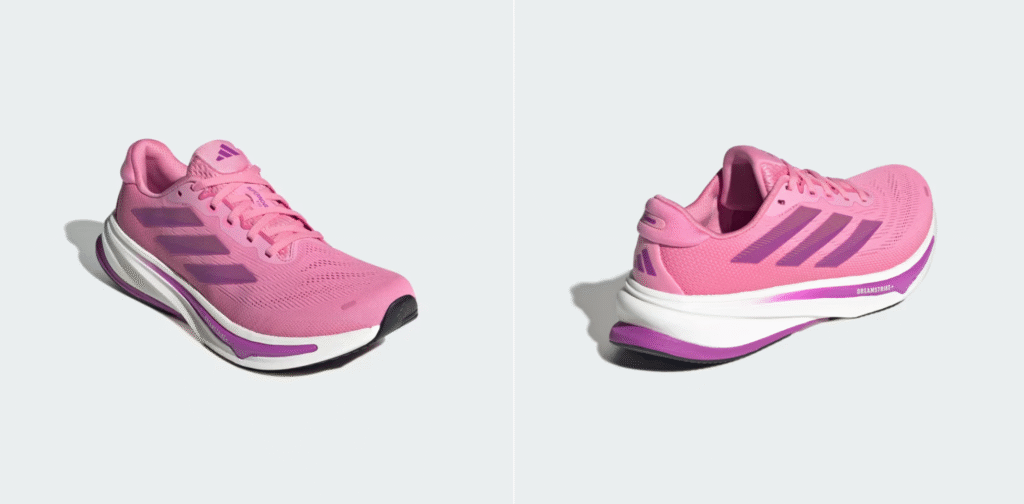
Top Pick: adidas Supernova Rise
Designed with cycling and cardio in mind, these shoes provide good support and breathability. While not spin-specific, they offer the stiffness and comfort required for intense cycling classes. The updated Dreamstrike+ cushioning adds a bit of spring without compromising on control, making them a comfortable and practical choice for hybrid gym-goers who do both cardio and light strength training.
Expert Tips to Choose the Best Gym Trainers
- Match your shoes to your primary workout
- Avoid overly soft soles for lifting
- Replace trainers every 6–12 months
- Consider having 2 pairs (lifting + cardio)
What Are the Best Gym Trainers?
Choosing the best gym trainers ultimately comes down to how you train and what you want to get out of your workouts. There isn’t a one-size-fits-all option, and relying on a single pair for every activity can actually hold you back. For example, if your routine is focused on cardio, a well-cushioned running trainer will help absorb impact and keep you comfortable during longer sessions. On the other hand, if strength training is your priority, a flatter, more stable shoe will give you better balance and allow you to generate more power safely.
For those who enjoy a mix of workouts, such as HIIT classes, circuits, and occasional weight training, a versatile pair of cross training shoes offers the best balance between flexibility, support, and durability. In many cases, more experienced gym-goers even opt for two pairs of trainers, one designed specifically for lifting and another for cardio—to get the best performance from both.
Ultimately, investing in the right gym trainers is about more than just style or brand preference. The right footwear can improve your performance, reduce your risk of injury, and make your workouts feel more effective and enjoyable.
To Conclude
Choosing the best trainers for the gym isn’t just about style. It’s about performance, protection, and getting the most from your workouts. Whether you're pounding the treadmill, lifting heavy weights, or smashing a HIIT classes, having the right footwear can make a world of difference. These adidas trainers for gym sessions will support your movements, reduce your risk of injury, and boost your confidence with every rep, step, or sprint.

I'm at the very beginning of my fitness journey, so this was really useful to read. I had not really focused on the importance of footwear, but it is all part of it. Thanks for this!
I always like to buy the best trainers for exercising as I work out pretty much every day of the week! x
Lucy | http://www.lucymary.co.uk
Such an informative post. It's definitely made me realise that I need to upgrade my trainers for working out. It didn't even cross mind mind beforehand.
I’m on a market for new gym trainers. My is about to warn out already. Thank you for your guide.