AD. Thinking about taking up road biking? You’re not alone! More and more people are discovering the joy, freedom, and fitness benefits of cycling on the open road. Whether you're looking for a new way to stay active, reduce your carbon footprint, or simply explore new places, road biking is a fantastic hobby to take up. This beginners guide to road biking will walk you through everything you need to know to get started, from choosing your first bike to improving your cycling skills.

Why Get Into Road Biking?
Road biking is one of the most rewarding activities you can take up. It offers a wide range of health benefits, from boosting fitness to building muscle and improving mental wellbeing. Since it’s a low impact exercise, it’s suitable for all ages, all fitness levels and can easily be adapted to your personal goals. Aside from health benefits, road biking is also an eco-friendly form of transport. Swapping short car journeys for bike rides helps reduce your carbon footprint and can save you money on fuel and public transport costs. Many cyclists also find that joining a club or group rides enhances the social aspect of the sport, making it a brilliant way to meet new people and stay motivated. Additionally, road biking allows you to explore new places, whether it's scenic countryside lanes, challenging hill climbs, or quiet city routes.
The Best Way to Get Into Road Biking
If you’re wondering how to start, follow these simple steps:
- Set Your Goals – Decide if you want to cycle for fitness, leisure, commuting, or even racing. This will help you choose the right bike and equipment.
- Start with Short Rides – Begin with manageable distances and gradually increase your mileage as your confidence grows.
- Learn the Rules of the Road – Road biking for beginners includes understanding road safety, traffic signals, and cycling etiquette.
- Find Beginner Friendly Routes – Look for cycle paths, quiet roads, or parks to get comfortable with your bike before tackling busier streets.
- Consider Joining a Cycling Group – Many local clubs offer beginner rides, providing encouragement and advice from more experienced cyclists.
What to Look for When Buying Your First Road Bike
Your bike is your most important investment, so choosing wisely is key. Aluminium frames are a popular choice for beginners as they are affordable and lightweight. Carbon fibre frames offer more comfort and performance, however this comes at a slightly higher price point.
Ensuring your bike is the right size is crucial to avoid discomfort and injury, so many bike shops offer professional fitting services to help you get the right fit.
When it comes to gearing and brakes, a bike with a compact crankset (offering more gears for hills) and disc brakes (providing better stopping power) is a great choice for beginners.
If you’re on a budget, consider buying a second-hand bike, but make sure it’s in good condition and has been well-maintained. Entry-level road bikes typically start at around £500-£1,000, with plenty of options depending on your budget.
Essential Accessories for Road Biking
Once you’ve got your bike, you’ll need some essential cycling clothes and cycling accessories:
- Helmet – A must for safety on every ride.
- Breathable Jacket - Practical, moisture wicking and an extra layer to keep you warm on rides.
- Cycling Jersey – Designed for comfort, breathability, and practicality, often with pockets for snacks and tools.
- Cycling Shorts with Padding – Helps prevent discomfort on longer rides.
- Cycling Socks – Provides comfort, moisture-wicking, and temperature regulation.
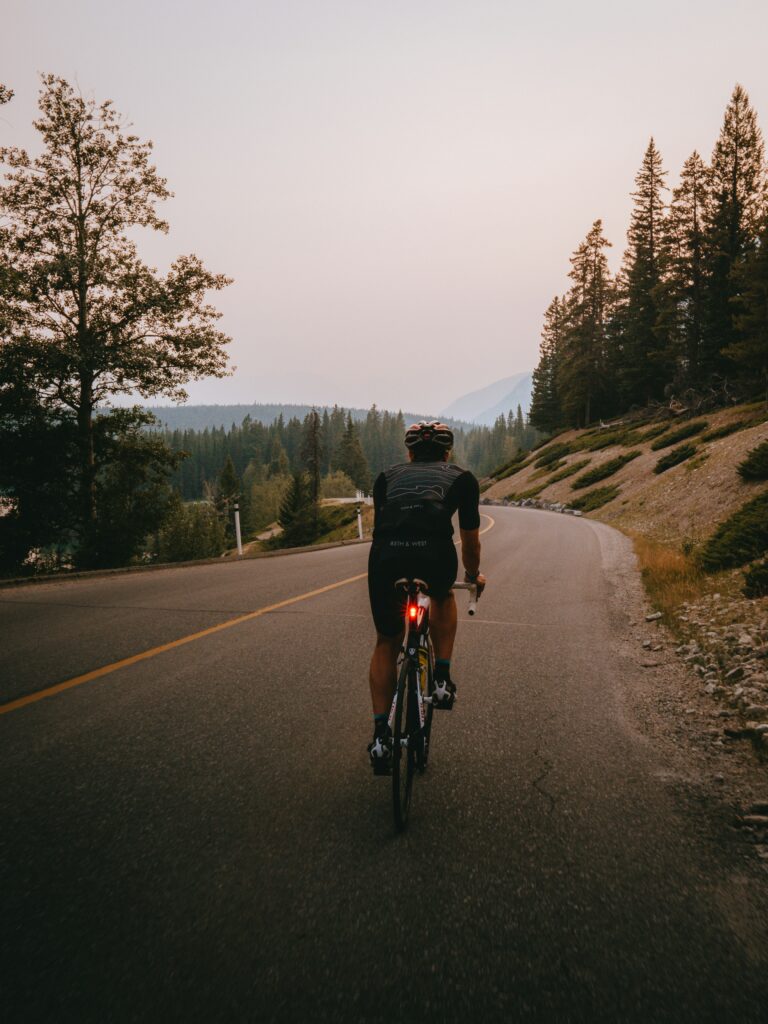
- Lights & Reflectors – Essential for visibility, especially in low-light conditions.
- Basic Bike Tools & Puncture Repair Kit – Necessary for roadside repairs.
What to Carry with You on Your Rides
Being prepared ensures a stress free ride. Always carry a spare inner tube and tyre levers for fixing punctures. A mini pump is also essential for reinflating your tyres on the go. A multi-tool is handy for making minor adjustments, and bringing along water and snacks helps you stay hydrated and fuelled. Don’t forget to carry your phone, ID, and some cash in case of emergencies or quick stops at a café. Keeping emergency contact details with you is always a good idea.
Common Mistakes New Cyclists Make (and How to Avoid Them)
- Buying the Wrong-Sized Bike – Always get a proper bike fit to prevent discomfort and injuries.
- Not Checking Tyre Pressure – Riding with low pressure increases the risk of punctures. Check your tyres before every ride.
- Wearing the Wrong Clothing – Weather-appropriate gear makes a big difference in comfort and performance.
- Ignoring Nutrition & Hydration – Fuel your body properly, especially on longer rides.
- Skipping Bike Maintenance – Regularly clean and lubricate your chain, check your brakes, and inspect your tyres.
Becoming a Better Cyclist
Improving your skills will make road biking even more enjoyable. Work on your fitness by gradually increasing your mileage and incorporating some hill climbs into your rides. Pedalling efficiently is key, and aiming for a cadence (pedal speed) of 80-100 revolutions per minute will help you ride more smoothly.
Mastering cornering and braking techniques will also improve your confidence, especially when descending steep roads. If you plan to ride in groups, learning proper etiquette such as hand signals and drafting techniques will ensure a safer and more enjoyable experience. Lastly, don’t forget that rest and recovery are just as important as training—listen to your body to avoid burnout or injury.
Additional Tips for Beginner Road Cyclists
Joining a local cycling club is a great way to learn from experienced cyclists and find motivation to ride regularly. Using cycling apps like Strava can help track your progress and discover new routes. If you want to ride comfortably, consider getting a professional bike fitting, as small adjustments can make a huge difference in comfort. The key to improvement is consistency—the more you ride, the more confident and skilled you’ll become. Most importantly, enjoy the journey! Progress at your own pace and have fun.
Conclusion
Getting into road biking is an exciting and rewarding journey that brings numerous physical, mental, and social benefits. With the right bike, essential gear, and a good bit of practice, you’ll soon be enjoying the open road with confidence. This beginners guide to road biking has covered everything you need to start pedalling towards new adventures. Whether you're cycling for fitness, fun, or commuting, road biking for beginners is a fantastic way to stay active and explore the world on two wheels. So, grab your bike, get out there, and enjoy the ride!


A great guide for those who want to start road biking! x
Lucy | http://www.lucymary.co.uk
I used to ride my bike daily and loved it - so good for my fitness but also for my mind. My bike has been in retirement since COVID and I'm itching to get it back out again!
Rosie