Overview of Solar Home Theater
AD. Solar home theaters combine renewable energy with modern entertainment systems. By using solar panels, these setups offer an eco-friendly way to power your movie-watching experience. This setup reduces energy bills and minimizes your carbon footprint, giving you a greener lifestyle.

[Photo by Daniele La Rosa Messina]
What Is a Solar Home Theater?
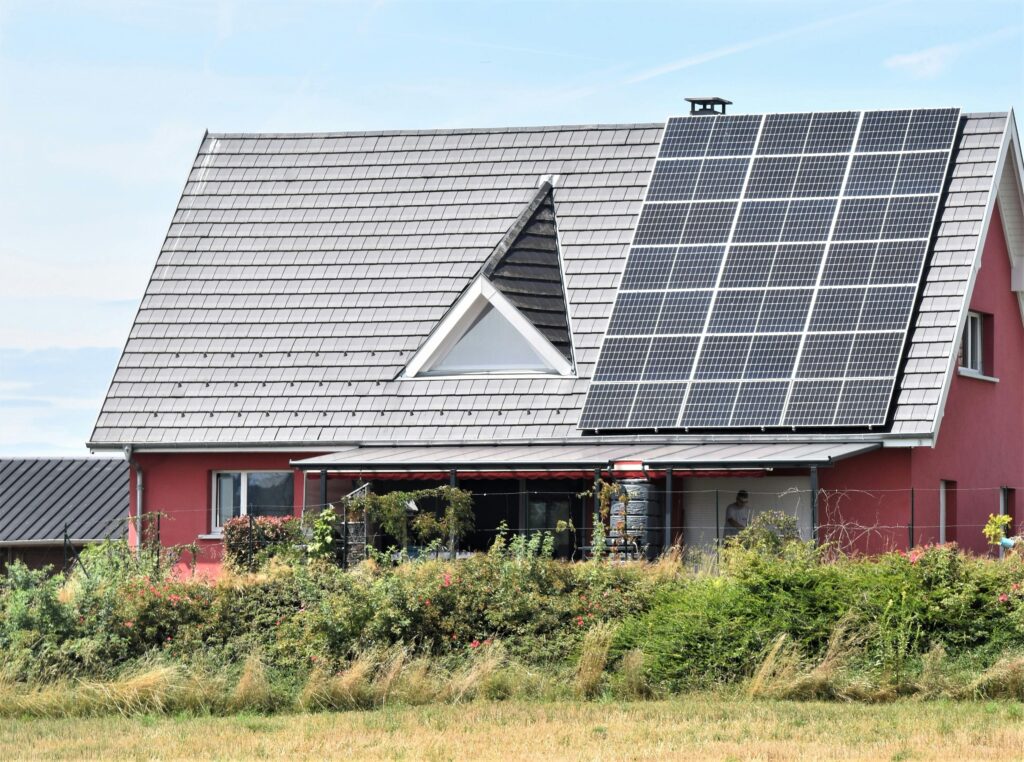
A solar home theater uses solar panels to power its electronics. Solar panels collect sunlight and convert it into electricity, providing energy to run devices like TVs and sound systems. You can install panels on your roof, and they work efficiently during the day.
These systems allow you to enjoy a home theater without relying entirely on the grid. The energy collected can be stored in batteries, ensuring you have power even when the sun isn't shining. A solar home theater can feature all the usual advancements, like high-definition screens and surround sound.
Benefits of Solar Energy in Home Entertainment
By choosing solar energy for your home theater, you embrace sustainable energy. This approach lowers electricity costs and cuts down on harmful emissions. A green home theater powered by solar panels is a step towards an environmentally friendly lifestyle.
Additionally, solar panels can significantly decrease reliance on non-renewable energy sources. This not only benefits the environment but also enhances energy independence. By using a solar-powered system, you also help reduce the demand on national grids and promote a more sustainable planet.
Essential Components for a Solar-Powered Home Theater
Building a solar-powered home theater involves choosing the right solar panels, understanding the basics of solar systems for electronics, and figuring out energy storage solutions. Doing it right provides an eco-friendly entertainment experience with potentially lower energy costs.
Choosing the Right Solar Panels
When selecting solar panels for your home theater, efficiency and capacity are key. Panels are rated in watts, which tell you how much energy they can generate. Consider how much power your theater needs and choose panels that can meet this requirement.
The location of panels is also important. Install them where they can get maximum sunlight, such as a south-facing roof. Quality is important, too. Look for panels with good warranties and from reputable manufacturers to ensure they last. You will also need to hire the right solar panel installers to get this right straight away.
Solar System Basics for Home Theaters
A solar power system for home theaters involves more than just panels. You need an inverter to convert the direct current (DC) electricity from the panels into alternating current (AC) for your devices.
It’s crucial to calculate the total power consumption of your theater setup. This includes everything from the projector and speakers to any additional gear. Knowing your energy needs helps you properly size the entire solar system, ensuring it can support your setup without interruptions.
Energy Storage Solutions
Energy storage is another important aspect. Batteries store the energy your panels produce, allowing you to use your theater even when there’s no sunlight.
Choose batteries that can store enough energy to power your theater for the hours you plan to use it. Lithium-ion batteries are popular due to their efficiency and long lifespan. Proper battery management is key, as it influences the longevity and performance of the entire setup.
Think about where you’ll place the batteries, ensuring they’re in a safe, accessible, and stable temperature environment. This helps maintain performance and safety over time.
[Photo by cottonbro studio]
Setting Up Your Home Theater
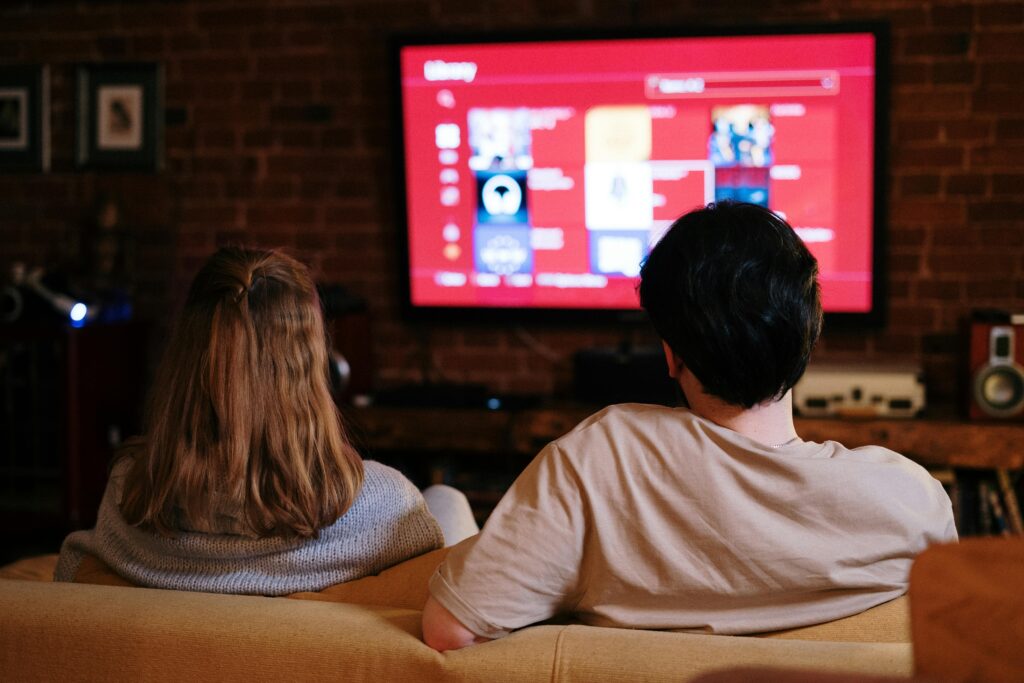
Creating a solar-powered home theater starts with understanding key components. This includes ensuring you're ready for components like a 100-inch screen and a surround sound system, tailored to work seamlessly with solar energy.
Home Theater Setup Considerations
When setting up your home theater, consider space, acoustics, and lighting. Ensure the room can accommodate a large screen and seating without feeling cramped. Consider the placement of windows; too much light can cause glare on the screen. Use blackout curtains if needed.
Evaluate your room's acoustics. Soft furnishings such as curtains, carpets, and sofas can help absorb sound and reduce echo. Wall panels can be a good addition to manage sound distribution. Plan your speaker placement to achieve true surround sound effects.
Selecting a 100-Inch Screen
A 100-inch screen is a significant part of a solar home theater. Projectors are ideal for large screens, especially those with high brightness and contrast. Choose a screen material that reduces glare and enhances clarity under various lighting conditions.
Screen types, such as fixed-frame screens, offer solid image stability, while retractable ones offer convenience. Consider the throw distance, which is the space between the projector and screen, to make sure your images are clear and focused.
Surround Sound Systems and Solar Power
Integrating a surround sound system with solar power requires strategic planning to balance performance and energy use. Opt for energy-efficient models to lower energy consumption. 7.1 surround systems offer a full, immersive experience with distinct channels and a subwoofer for deep bass.
Position speakers strategically for optimal sound distribution. Powering your system with solar involves sizing your setup correctly, ensuring your solar panels and battery storage can meet your theater's demands. By choosing energy-saving equipment, you can enjoy high-quality sound with minimal environmental impact.
Reducing Your Environmental Impact
Creating a solar home theater can significantly cut down your carbon emissions. Using modern technologies and being mindful of energy use are key steps in creating an eco-friendly setup.
Green Home Theater Technologies
To make your home theater greener, consider using LED or OLED TVs. They use less power compared to older models. Installing energy-efficient sound systems can also make a big difference. Look for soundbars with eco-modes or reduced power standby features.
Solar-powered gadgets, such as remotes or small lighting options, can help lessen electricity use. Implement smart home technologies, like timers or motion sensors, to automatically manage lighting and devices. These tech upgrades not only help the environment but can also save you money on energy bills.
Offsetting Your Carbon Footprint
Even with efficient technologies, there's still some energy use. You can offset this by using solar panels to power your theater system. They harness sunlight, reducing reliance on nonrenewable energy sources.
Consider using furniture made from recycled materials. This choice supports sustainable practices and can add a stylish touch to your setup. Participating in carbon offset programs is another way to balance emissions. By investing in such projects, you support the development of renewable energy initiatives.
[Photo by Daniele La Rosa Messina]
Living Off-the-Grid
Living off-the-grid using solar energy means you become more self-reliant and can save on your electricity bill. The focus is on setting up an efficient off-the-grid home theater and managing energy consumption wisely.
Off-the-Grid Home Theater Options
Creating an off-the-grid home theater can be both exciting and practical. Portable projectors and low-energy LED displays are excellent choices. These devices consume less power, allowing you to make the best use of solar energy.
Consider using a Bluetooth speaker for high-quality sound without heavy power demands. Adapt your seating with comfy floor cushions or foldable chairs that don't require additional resources. Remember to select streaming devices that support offline viewing. This way, you can still entertain without using excess energy.
Managing Electricity Use with Solar Panels
Effectively using solar panels to power your home theater requires smart energy practices. Calculate your energy needs to ensure your solar setup can handle your home theater equipment. Track your power usage daily to maximize efficiency.
Using rechargeable batteries for energy storage can help balance supply and demand. Plan viewings during peak sunlight hours to optimize electricity use. Lastly, invest in energy-efficient appliances to lower the total energy consumption. Sustainable energy management helps reduce costs and environmental impact.



I never knew solar home theatres were a thing! They're a great way to be energy-efficient! x
Lucy | http://www.lucymary.co.uk