AD. As renewable energy sources become more accessible, you might be one of the many homeowners who are turning to solar power to reduce their carbon footprint and enjoy lower electricity bills. If you employ the services of the best solar company in Florida, for instance, they will be able to accurately assess the viability of fitting solar panels to your home. In the meantime, a common question you will have considering solar energy is, how many solar panels do I need to power my household? Determining the right number of panels involves evaluating your energy usage, analysing the efficiency of your solar panels, where you live, and the amount of roof space you have available.
Here is a look at the factors that influence the number of solar panels needed and how to calculate the ideal setup for your home.
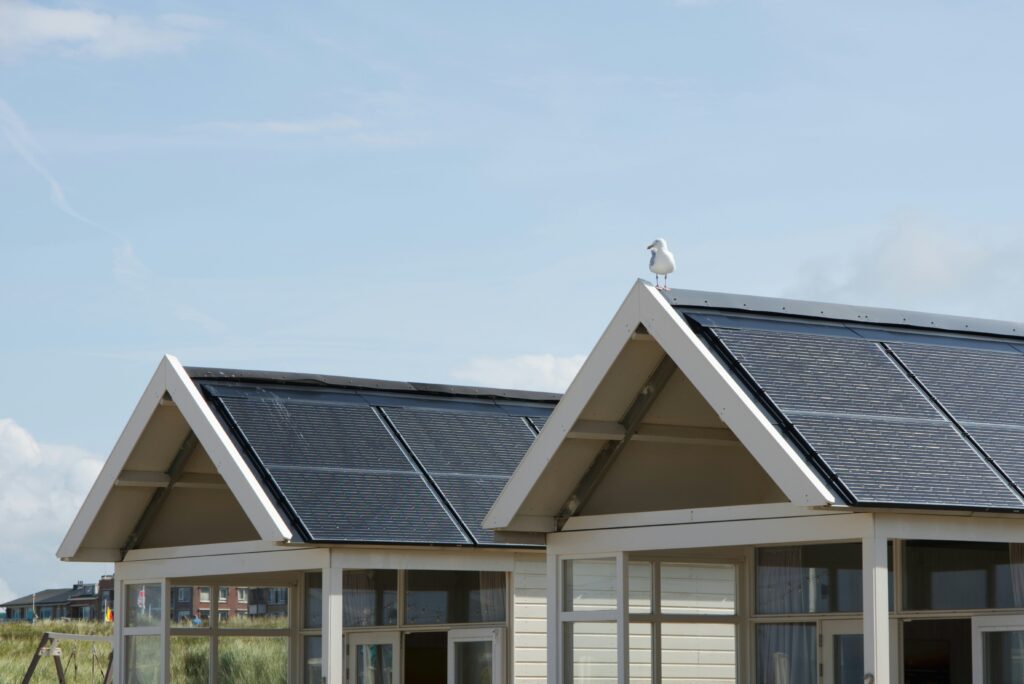
[Photo by Mischa Frank on Unsplash]
Start by Understanding Your Energy Consumption Levels
The first step in determining how many solar panels you need is understanding your household’s energy consumption. Your electricity usage is measured in kilowatt-hours (kWh), and you can find this information on your utility bill. The main things that you need to take into consideration are monthly and annual usage levels, and seasonal variations. Start by calculating your monthly electricity usage to get a sense of your needs throughout the year. You should also consider fluctuations in energy use through the seasons, such as increased air conditioning usage in the summer or extra heating in the winter. To work out your annual usage, multiply your monthly average by 12 to estimate your annual electricity consumption.
Solar Panel Output and Efficiency
Solar panels come in various types and efficiency levels, impacting how much energy they can produce. The amount of electricity a solar panel generates depends on its wattage and the amount of sunlight it receives. Most residential solar panels have wattages ranging from 250 to 400 watts. As you might expect, higher wattage panels produce more electricity, which can reduce the number of panels needed. You also have to think about the efficiency of the panels you are proposing to install. Efficiency refers to the percentage of sunlight a panel can convert into electricity. For guidance, modern panels typically have efficiency ratings between 15% and 22%. Higher efficiency panels produce more electricity in less space, which is beneficial if you have limited roof area.
Sunlight and Location Factors
The amount of sunlight your home receives significantly impacts the performance of your solar panels. Sunlight availability varies by location and affects how much energy your system can generate. If your home is located in a sunnier region of the country, you will need fewer panels than homes in areas with less sunlight. If you are not sure, you could use a solar calculator or solar mapping tool to estimate sunlight hours in your area. The orientation and angle of your roof can also prove to be an influential factor. South-facing roofs with a tilt angle of 15 to 40 degrees are ideal for maximum sunlight exposure. East- or west-facing roofs will produce less energy, potentially requiring more panels to meet your energy needs.
Calculating the Number of Solar Panels Needed
To estimate how many solar panels you need, there are a few simple steps to follow. Start by calculating your daily energy usage. You can do this by dividing your annual energy consumption by 365 to find your daily usage. Then estimate your solar panel output. Work out how much energy a single panel can produce daily. This depends on the panel wattage and the average sunlight hours in your area. The next step is to work out how many panels you need to fit on your roof to meet your energy needs. The way to do this is to divide your daily energy usage by the output per panel.
Roof Space and Installation Considerations
The size and layout of your roof play a crucial role in determining how many panels you can install. You will need to work out what your available roof space is, or ask a solar panel installer to carry out a survey. To calculate your available roof space, measure the total square footage of your roof that can be used for solar panel installation. Don’t forget to think about obstructions such as chimneys, skylights, and vents that may reduce available space. Standard solar panels are typically around 65 inches by 39 inches, covering approximately 17.5 square feet per panel. This information should help you estimate how many panels your roof could accommodate. Don’t forget to factor weight load and structural integrity when making your calculations.
Offsetting Energy Costs and Savings
Switching to solar can lead to significant savings on your electricity bills. Understanding how much of your energy usage will be offset by your solar panels helps you estimate these savings. The bottom line is that a well-sized solar system can offset up to 100% of your electricity usage, depending on your energy consumption and system output. Even if your system covers less than 100%, you’ll still benefit from reduced energy bills. Another positive aspect to installing solar panels is the prospect of net metering. Many utility companies offer this scheme. It is where excess energy generated by your solar system is sent back to the grid, and you receive credits on your bill. This can further enhance your savings, especially if your system produces more energy than you consume during peak sunlight hours.
Financing and Incentives
It is very relevant to talk about the available incentives and financing initiatives that can make a difference to your calculations. The cost of solar panel installation can be offset by various financing options and government incentives. For example, the Federal Solar Investment Tax Credit allows you to deduct a percentage of your installation costs from your federal taxes. In terms of state initiatives, many states offer additional rebates, tax credits, or performance-based incentives that reduce the upfront cost. In terms of financing options, you should be able to spread the cost over time while benefiting from reduced energy bills. There is also the option of Leases and Power Purchase Agreements. These allow you to use solar energy without owning the system outright, often with little to no upfront cost.
As outlined, determining how many solar panels you need to power your household depends on several factors, including your energy consumption, panel efficiency, sunlight exposure, and roof space. By understanding these elements and calculating your needs accurately, you can design a solar panel system that maximizes savings and energy efficiency. Talk to a solar panel installer about your requirements. They will also be able to confirm your calculations and give you a more detailed outline of how you could benefit from this energy-efficient option.



This is an informative post about solar panels. My Nan has solar panels on her bungalow and they certainly have helped with reducing the energy bills!
Lucy | http://www.lucymary.co.uk