Getting a puppy is a big decision and a long-term commitment. While bringing a dog back home to your family is an exciting moment, you must first consider how to make those important introductions.
Depending on the age of your children and their personalities, you should approach the situation carefully so as not to cause harm to your child or the dog. By setting clear boundaries and providing a comfortable home for the puppy to thrive, you ensure the transition goes smoothly.
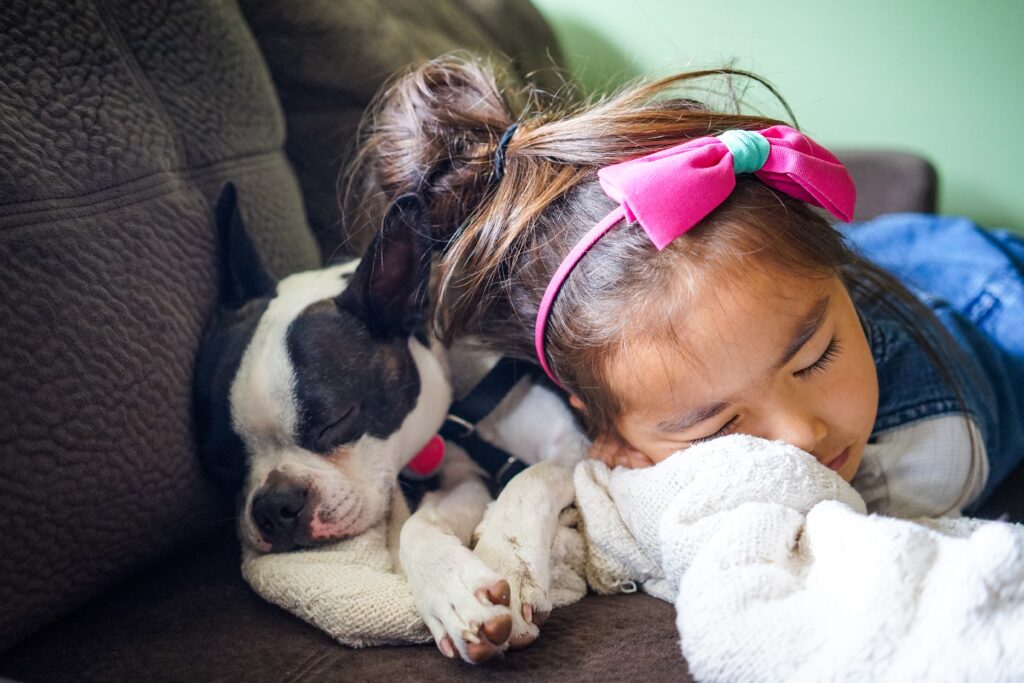
[Photo by Leo Rivas on Unsplash]
Before the new arrival
While you won’t really know how the family dynamic will be until the puppy arrives, there are some steps you can put in place to make things easier.
Sit your kids down and educate them on how to properly look after a young puppy. This may include watching videos, reading articles, or being around friends’ dogs for experience.
Also, start by setting some basic house rules that will help your children to recognise what’s expected from them. This could include ‘quiet voices around the puppy’ and ‘gently stroke the dog’.
Make sure they know not to pester the puppy when it is trying to have some alone time away from the bustle of the home. You could provide them with a safe place to retreat to in these instances, which should include a large dog bed, a dog crate, and some toys. The kids should be told that this is a no-go area.
Going to pick up your pup
You may already have an idea in mind as to what breed you want to get or have enquired about a specific dog, whether this be from a breeder or an adoption centre. Regardless, it’s important to see if you think the puppy will be a good match for your family before taking it home.
Some things to think about are the temperament of the breed, the energy levels of the pup, and how big the dog is expected to grow. You’ll want to avoid any dogs that are typically less friendly around children. You may also want to steer clear of huge dogs if you have very young children who could become injured from playing with them.
Bringing them home for the first time
You should have already had some time with the puppy when bringing them back to the family home; however, the puppy has likely never been around children before. With sudden and unpredictable movements, different smells, and strange noises, it can all be a bit intimidating to a young dog at first.
It’s easy for children to scare away the puppy due to excitement, so it’s important to encourage a calm and gentle approach. If you have multiple children, do this in turns to not overwhelm them.
Start with getting your child to slowly approach the puppy in the middle of an open room. Allow the dog to come to your child in their own time and have a chance to explore them. Obviously, keep an eye out for any behaviours that could indicate things going wrong like the pup trying to move away, yawning, or the whites of their eyes showing.
By doing this regularly and enabling the dog to take things at its own pace, the relationship gets off on the right foot. Once you’re happy, get your child more involved with dog grooming, walking, and training.
Do you have any other tips on how to introduce a puppy to young children?