AD. Choosing the right Christmas tree is one of the most exciting parts of the festive season, but if you’re going big, it can also feel overwhelming. If you’re searching for a large Christmas tree, you’re probably wondering:
- What size tree will fit your space?
- Which type of tree is best?
- How do you decorate a tall tree properly?
This guide will walk you through everything you need to know, from choosing the right size to decorating your tree beautifully.

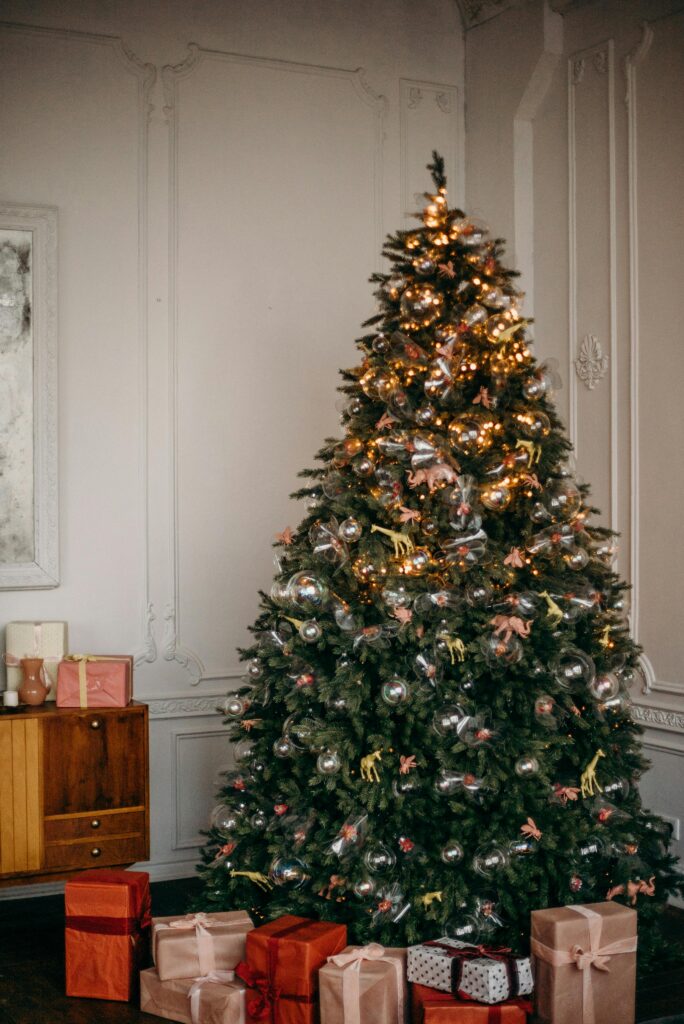
[Photo by Cameron Stewart on Unsplash]
What Is Considered a Large Christmas Tree?
A large Christmas tree is typically:
- 6ft (1.8m) and above for most UK homes
- 7–8ft = ideal for standard living rooms
- 9ft+ = best for homes with high ceilings or open-plan spaces
Top tip: Always measure your ceiling height and allow at least 15–30cm clearance for a tree topper.
Where to Buy a Large Christmas Tree
Before choosing your tree, decide where to buy it:
Christmas Tree Farms
- Wide range of sizes (including extra tall trees)
- Ability to pick your exact shape and height
- Sometimes you can reserve your tree early
Garden Centres & Nurseries
- Good selection of potted and cut large Christmas trees
- Helpful staff for advice
- Easier access than farms
Online Retailers
- Convenient delivery (especially for larger trees)
- Some offer collection and recycling services after Christmas
Finding The Right Large Christmas Tree
Find A Stockist
When choosing a large Christmas tree, it’s worth starting with a bit of research to find a local stockist. If you have a Christmas tree farm nearby, this can be one of the best places to visit, as you’ll be able to see a wide range of trees displayed on individual stands and choose the exact size and shape that suits your home. Some farms even allow you to reserve your tree in advance or cut your own, which can make the experience feel even more festive. You’ll typically find everything from smaller options to extra-large Christmas trees, making it easier to find one that fits your space perfectly.
If a farm isn’t convenient, a local nursery or garden centre is another great option, offering both potted and cut trees in a variety of sizes. As you browse, pay close attention to the condition of the tree. A healthy Christmas tree should have vibrant green needles that don’t fall off easily when touched. If the needles bend without snapping and the branches feel flexible, it’s usually a good sign of freshness, while a slightly sticky sap also indicates the tree is well-hydrated and recently cut.
Remember that if you don’t have adequate transport to get the tree home, you need to know if there’s a delivery possibility. This may come at an additional cost, so don’t forget to include that in your budget! Another option is to order your Christmas tree online and have it delivered directly to your door. After the holiday season, many online retailers offer Christmas tree pick-up and disposal services where they come and collect your tree. You could recycle it at your local centre.
Select A Tree
When choosing a large Christmas tree, it helps to understand the different types available, as this can affect both the look and practicality of your tree. Most Christmas trees fall into three main families: spruces, firs and pines, each offering something slightly different depending on your space and decorating style. Within the spruce family, popular varieties include White, Norway and Colorado Blue. These are all traditional choices, with the Colorado Blue Spruce particularly known for its attractive silvery-blue foliage and strong shape, although its needles can have a slightly sharp scent when crushed. The White Spruce is another reliable option, with short, stiff branches that are ideal for holding heavier decorations, while the Norway Spruce offers that classic Christmas tree shape and fragrance, though it does require a little more care to prevent needle drop.
Pine trees are also widely used, especially if you’re looking for a fuller, softer appearance. As evergreen conifers, they are one of the most commercially grown types for Christmas use, with varieties such as Scotch, White and Virginia pine commonly available. Their longer needles give a slightly different texture compared to spruces and firs, and they tend to be very durable, making them a practical option for larger Christmas trees that need to last throughout the festive season.
Firs are often considered the premium choice, particularly for larger displays, thanks to their excellent needle retention and strong branches. Varieties such as Balsam, Douglas, Noble and Grand fir are among the most popular. The Douglas fir, for example, is known for its soft needles and sweet fragrance, with branches that spread evenly to create a full, balanced shape—ideal for a statement tree. Balsam firs offer a rich green colour and a classic festive scent, while Noble firs are especially sturdy, making them perfect for heavier ornaments on a large Christmas tree. Grand firs stand out for their slightly citrus-like fragrance, adding an extra sensory touch to your home.
Ultimately, the right choice comes down to personal preference and how you plan to use your tree. If you’re thinking longer term, a potted Christmas tree can be a lovely option, especially for families. Once the festive season is over, it can be planted in the garden and enjoyed year after year, growing alongside your home and traditions. While it may take time before it reaches a size suitable for decorating, it can become a meaningful part of your Christmas celebrations.
Tree Care
Once you bring your Christmas tree home, it’s important to care for it properly to keep it looking fresh throughout the festive season, especially if you’ve chosen a large Christmas tree, as these tend to need more water and attention. Start by placing the tree in a bucket of water in a cool, shaded area, away from direct sunlight or heat sources. A freshly cut tree will absorb a surprising amount of water, so check the level regularly and top it up as needed. Trimming a small slice from the base of the trunk before placing it in water can also help, as this opens up the fibres and allows the tree to absorb moisture more effectively.
When you’re ready to bring your tree indoors, choose a position that’s away from radiators, fireplaces and draughts, as heat can cause the tree to dry out more quickly. With the right care, a healthy tree should last around four to six weeks, making it a great centrepiece throughout December. It’s also worth protecting your flooring with a tree skirt or cover, particularly as larger trees may require more frequent watering. If you have children or pets, placing your tree in a stable, low-traffic area will help prevent it from being knocked over, keeping both your decorations and your home safe.
How To Decorate A Large Christmas Tree
As the tradition goes, you should decorate your Christmas tree to bring the holiday spirit to your home. Here are some handy tips on how to do it:
Illuminating Brilliance
The first step in the traditional tree-decorating operation is to hang the lights! Start at the base of the Christmas tree and work upwards, wrap the lights around every branch from the trunk to the trip and then back again. Try and use 100 lights for every foot of the tree. There are many lights to choose from, the most popular being incandescent. While incandescent lights are a classic favourite, consider exploring the diverse world of LEDs, offering safety and an array of colours. For those seeking a touch of nostalgia, bubble lights reminiscent of lava lamps and globe lights resembling vibrant balls are delightful alternatives.
Tinsel and Garlands Galore
Once you’ve illuminated your tree, it’s time to add the tinsel and garlands next. It’s easier to start at the top and wave your way down the branches. Mix it up by using an assortment of garlands, ranging from slim, beaded varieties to luxurious ribbons and dazzling foils. The key is to wrap them loosely, allowing their shimmer to enhance the overall effect.
Ornamental Elegance
You can complete the look with the Christmas tree ornaments, and it can be a fun activity to do with your kids. Take a look at your tree to determine the prime spots for your larger, more eye-catching pieces. Distribute them evenly for balance. The spaces between are perfect for showcasing medium and smaller-sized ornaments, creating a harmonious visual rhythm. Fill any remaining gaps with hanging icicles or unique, personalised items, injecting a touch of individuality into your festive display.
Decking the Base
Remember, the festive flair shouldn't stop at the tree's branches. Extend the decorating magic to the container holding your tree. Consider covering it with delightful Christmas paper or artfully wrapping the pot with crepe paper, ensuring every aspect of your festive display is a visual treat.
Conclusion
Choosing the perfect large Christmas tree is a festive adventure. Each step adds magic to the season, from the choice of spruces, firs, or pines to the final adornment. As you light up, drape, and decorate your Christmas tree, the enchantment extends from the branches to the base. With this, you can enjoy a merry, bright Christmas filled with the season's true spirit.
Frequently Asked Questions About Large Christmas Trees
What is considered a large Christmas tree?
A large Christmas tree is typically anything over 6ft tall, with 7–8ft trees being the most popular choice for UK homes. Trees over 9ft are usually suited to rooms with higher ceilings or open-plan spaces.
What size Christmas tree should I get for my room?
A good rule is to leave at least 15–30cm between the top of the tree and your ceiling. For standard ceiling heights, a 6–7ft tree works well, while taller spaces can accommodate larger Christmas trees of 8ft or more.
How do I choose the right large Christmas tree?
Start by measuring your space, including both height and width. Then consider the tree type—fir trees are often best for larger displays due to their strong branches and good needle retention, especially if you plan to use heavier decorations.
Which type of Christmas tree is best for a large tree?
Firs, such as Noble or Douglas fir, are often the best choice for large Christmas trees because they hold their needles well and have sturdy branches. Spruce trees offer a more traditional look but may require more maintenance.
How long does a large Christmas tree last?
With proper care, a freshly cut Christmas tree can last between four and six weeks. Keeping it well-watered and away from heat sources will help it stay fresh for longer.
How much water does a large Christmas tree need?
Large Christmas trees can drink a significant amount of water, especially in the first few days. It’s important to check the water level daily and keep the stand topped up to prevent the tree from drying out.
Where should I place a large Christmas tree in my home?
Choose a spot away from radiators, fireplaces and draughts. Make sure there’s enough space around the tree so it doesn’t feel cramped, and position it where it won’t be easily knocked over, particularly if you have children or pets.
How do you decorate a large Christmas tree?
Start with lights, working from the base upwards, then add garlands and larger decorations before filling in with smaller ornaments. Larger trees benefit from bigger decorations to keep everything in proportion and visually balanced.
Can I buy a large Christmas tree online?
Yes, many retailers offer large Christmas trees for delivery, which can be a convenient option if you don’t have suitable transport. Some also provide collection or recycling services after the festive season.
Are real or artificial Christmas trees better for large sizes?
Real trees offer a natural look and scent, while artificial trees can be reused each year and are often easier to manage for very large sizes. The best choice depends on your preference, space and how long you want the tree to last.
What’s the best Christmas tree for a small living room?
If you want a large Christmas tree in a smaller space, consider a slimmer variety or a pencil-style tree. These provide height without taking up too much floor space.
Can I replant my Christmas tree after Christmas?
If you choose a potted or container-grown tree, it can be replanted in your garden after the festive season. This is a great long-term option, although it may take a few years before it reaches a size suitable for decorating.


Great tips, I didn't know much about the different types of trees as we stick with an artificial one
This is a great guide for picking the right Christmas tree, I haven't bought a new tree for years but I will keep this post in mind next time I do so! x
Lucy | http://www.lucymary.co.uk
I need a tree base skirt! Next year I think I'll invest in one! I might see if there's any in the sales this year!
Corinne x
I've just had to buy 2 new trees as the first one was too small. Wish I read this before buying them.
Lisa
http://www.lovefromlisa.com
Now that Christmas is over, I'm in the market for a new one, my one is looking a bit tired. Some great tips and picks in this post!
Rosie