AD. Cold weather can bring some of the most memorable family days, from searching for animal tracks in the mud to returning home for hot chocolate after a brisk walk. The key is to choose activities that suit the conditions, dress everyone comfortably and keep plans flexible. Shorter daylight hours and changeable forecasts may require a little more thought, but they don’t have to keep the family indoors all season.
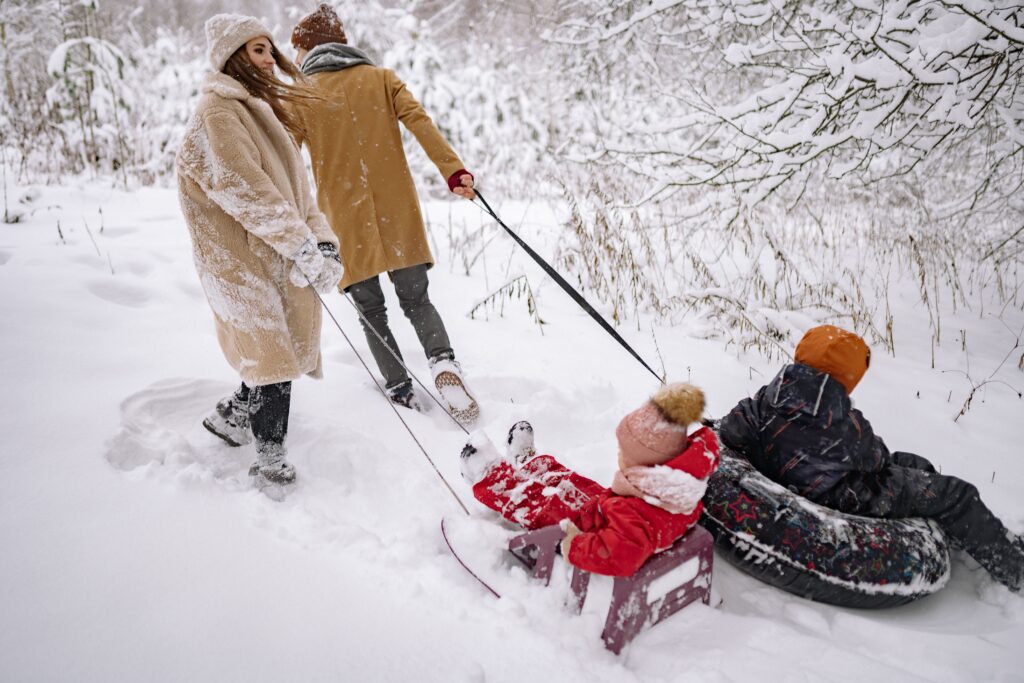
Fun Activities When the Temperature Drops
Winter gives familiar parks, gardens and walking routes a fresh sense of adventure. Frosty leaves crunch underfoot, bare trees make birds easier to spot and even an ordinary puddle can hold interesting patterns of ice. Younger children often enjoy these small discoveries more than a tightly organised outing, so leave enough time for stopping and exploring.
Try creating a simple winter scavenger hunt with items such as a pine cone, a red berry, a feather and three different leaf shapes. Children can take photographs instead of collecting natural objects, which avoids disturbing habitats. Other easy winter outdoor activities include building a bird feeder, painting on snow with coloured water and making temporary art from twigs and fallen leaves.
Movement-based games help children warm up quickly. Set up a short obstacle course using tree stumps, chalk markings and safe natural features or play follow the leader along a familiar path. On a breezy day, take a kite to an open space away from roads and overhead lines. If the ground is wet, challenge children to find the biggest puddle, the muddiest footprint or the clearest reflection.
Keep the outing achievable. A 30-minute trip that ends whilst everyone is still cheerful is often more successful than a long walk that leaves children cold and tired. Bring a warm drink, a small snack and a dry cloth for damp hands, then treat anything beyond your basic plan as a bonus.
Staying Warm and Dry on Winter Walks
Start with several light layers, as trapped air provides warmth and individual items can be removed if a child gets hot. A breathable base layer, a warm middle layer and a waterproof outer layer work well for most winter walks. Avoid overdressing active children because sweat can leave clothing damp and make them feel colder once they stop moving.
For toddlers and younger children who enjoy sitting on wet swings or kneeling beside puddles, kid's puddle suits provide practical full-body coverage. Check that outerwear allows free movement and fits over warm clothing without pulling tightly at the shoulders or knees. Waterproof trousers worn with a coat can also work well for older children who may need to remove a layer during the day.
Pay close attention to hands, feet and heads. Choose warm socks that fit comfortably inside boots, as tight footwear can restrict circulation and create cold toes. Pack a spare pair of gloves because children frequently soak the first pair through contact with wet grass, snow or playground equipment. The American Academy of Pediatrics offers clear winter safety guidance, including advice on layers and recognising signs that a child is becoming too cold.
Before leaving home, check the temperature, wind and chance of rain. Wind can make conditions feel much colder than the number shown on a weather app. During the walk, feel younger children’s hands and watch for shivering, unusual quietness or complaints of numb fingers. Those signs mean it’s time to head somewhere warm.
Cosy Indoor Alternatives for Downtime
Some winter days call for a slower pace indoors, particularly after an active morning or during heavy rain. Prepare a small collection of activities that can be brought out when energy starts to dip. Rotating the contents every few weeks helps old puzzles, craft materials and card games feel interesting again without requiring constant new purchases.
A living-room picnic can brighten a grey afternoon. Spread a blanket on the floor, serve easy finger foods and let children help prepare fruit skewers or decorate sandwiches. You could follow lunch with a family film, an audiobook or a den made from sheets and cushions. Keep the den away from heaters, lamps and anything that could be pulled over.
For something more hands-on, make salt dough decorations, construct a cardboard town or create a winter nature journal using drawings and photographs from recent walks. A weather chart is another simple project. Record the daily temperature, rainfall and cloud cover at the same time for one week, then ask children to compare the results. This introduces basic maths and science without making the activity feel like formal schoolwork.
Indoor movement matters too, especially when children have spent most of the day at home. Family stretching, a dance session or balloon volleyball can release some energy without needing much room. These active family ideas offer further ways to keep moving through winter. Aim for a mix of energetic play and genuinely restful time, since children may need both after a busy week.
Planning Family Day Trips in Winter
Winter day trips work best when the practical details are settled before you leave. Check seasonal opening times directly with the venue, as attractions may close earlier or operate on selected days. Look at the forecast again on the morning of the trip and identify an indoor backup nearby, such as a museum, library or family-friendly café.
Choose a destination with enough variety to suit changing energy levels. A country park with a visitor centre gives you access to outdoor trails and a warm indoor space, whilst a heritage site with covered exhibits can still be enjoyable during brief showers. Botanical glasshouses, aquariums and interactive museums are useful options when the weather is particularly unsettled.
Pack for delays as well as the planned activity. A practical winter day-trip bag might contain:
- Spare socks and gloves
- Water and filling snacks
- A bag for wet clothing
- Tissues and basic first-aid supplies
- A portable phone charger
- Quiet entertainment for the return trip
Allow more travel time in poor weather and avoid scheduling too many activities into one day. Families with younger children may enjoy one main attraction followed by an early meal more than a packed itinerary. You can also borrow ideas from these family winter activities and adapt them to the weather in your area.
Build in regular warming breaks when spending several hours outside. A 15-minute stop for a drink, snack and clothing check can prevent small discomforts from spoiling the afternoon. Wet socks should be changed promptly and damp coats opened or removed indoors so children don’t become overheated.
Before booking tickets, check cancellation terms and any requirement for timed entry. Flexible admission can be valuable during winter, when illness and severe weather may alter plans at short notice. If you’re travelling a long distance, tell children what the day will involve, including how long the journey should take and when they’ll eat. Familiar details can make the trip easier for children who find unexpected changes difficult.
The best winter plans leave room for an early finish. If rosy cheeks turn into cold fingers or tired legs, head home whilst the outing still feels like a good one. Warm clothes laid out by the radiator and the promise of a favourite snack can make the return nearly as appealing as the adventure itself.


