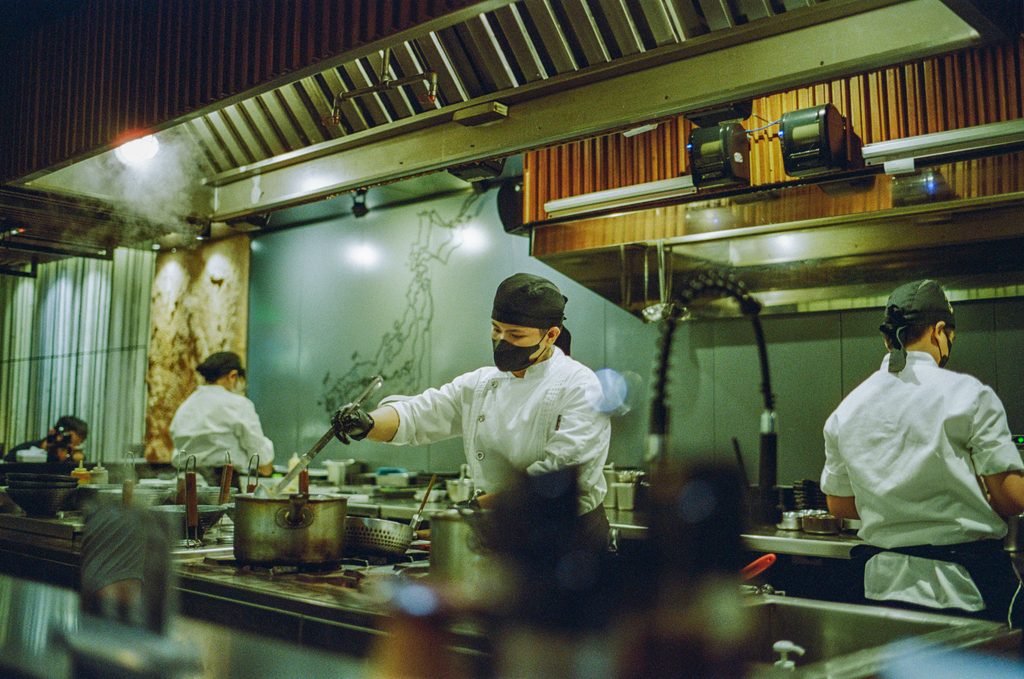
AD. A busy commercial kitchen is at the heart of any successful food business. For small businesses, from busy cafés to independent caterers, it's where creativity and hard work come together to create memorable customer experiences. But amidst the clatter of pans and the sizzle of ingredients, many potential safety hazards can go unnoticed. Ignoring these risks can lead to serious incidents, disrupt operations, cause injuries, and damage your hard-earned reputation. This guide covers the essential practices for keeping your kitchen safe, protecting your staff, and helping your business run smoothly.
[Photo by JC Gellidon on Unsplash]
Understanding Common Kitchen Hazards
A commercial kitchen is a lively place, with potential risks that go beyond the heat of the stove. The most common incidents are often the easiest to prevent. Slips, trips, and falls cause many injuries, usually because of wet floors, spills, or clutter in walkways. A single dropped container of oil or a misplaced stock box can become a serious hazard during a busy service.
Cuts and lacerations are another frequent danger. Staff constantly work with knives, slicers, and other sharp tools, often under pressure. Accidents can easily happen through improper handling, dull blades that require more force, or a lack of proper training. Similarly, burns and scalds are always a risk from hot surfaces, boiling liquids, and steam. A moment of inattention around a deep-fat fryer or a hot oven door can have severe consequences.
Aside from these immediate physical dangers, poor ergonomics can cause long-term strain. Repetitive tasks, heavy lifting, and awkward postures can lead to muscle and joint problems over time. Remember that a safe kitchen manages both immediate and gradual risks. Understanding the full range of cooking fire safety and other daily hazards is the first step towards building a strong safety plan for your team.
Fire Prevention Best Practices
Fire is arguably the most destructive risk in any kitchen. Open flames, high heat, and flammable materials like cooking oils mean a small flare-up can quickly turn into a major incident. So, actively preventing fires is non-negotiable. One of the biggest causes of kitchen fires is grease and cooking fats catching fire. Over time, greasy vapours from cooking settle on surfaces, inside ductwork, and throughout ventilation systems, creating a highly flammable layer.
Keeping that build-up under control starts with effective extraction. A well-maintained commercial air ventilation system can remove grease particles from the air before they settle inside ductwork and extraction equipment. Regular professional cleaning is just as important, covering the hoods, filters, and ducts to prevent layers of grease from accumulating. Together, effective ventilation and routine maintenance can help reduce the risk of a grease-related fire.
Other good practices include:
- Using Equipment Properly: Use all cooking appliances exactly as the manufacturer instructs. Never leave cooking unattended, especially when using hot oil.
- Electrical Safety: Keep electrical cords away from water and hot surfaces. Don't overload sockets, and have any faulty wiring or equipment repaired immediately by a qualified professional.
- Fire Suppression Systems: Ensure your kitchen has the right type of fire extinguishers, such as Class F extinguishers for cooking oils and fats, and that staff know where they are and how to use them. For many commercial kitchens, an automatic fire suppression system installed within the canopy is a legal requirement and a life-saving investment. Following a clear kitchen fire safety plan is important for every business owner.
Maintaining a Clean and Safe Space
A clean kitchen is a safe kitchen. Good hygiene practices not only prevent foodborne illness but also remove many common physical hazards. A structured cleaning schedule is the basis of a well-kept space, making sure tasks aren't forgotten during busy times. Write this schedule clearly and make it available to all staff, outlining daily, weekly, and monthly responsibilities.
Daily tasks should include:
- Wiping down all food preparation surfaces with sanitiser.
- Sweeping and mopping floors to clean up spills and debris.
- Emptying bins regularly to prevent overflow and pest attraction.
- Cleaning cooking equipment like grills and hobs to remove grease build-up.
Weekly and monthly tasks might involve deeper cleaning jobs, such as cleaning inside ovens, degreasing extractor filters, and sanitising refrigerators and storage areas. This systematic approach helps prevent dirt and grease from slowly building up, which can cause slip hazards and fuel fires.
Clutter is another big problem. In a small kitchen, it's easy for boxes, containers and equipment to pile up in walkways. This not only creates trip hazards but can also block emergency exits and firefighting equipment. Implementing a "clean as you go" policy encourages staff to keep things tidy throughout their shift. Providing enough organised storage solutions is also key. When everything has a designated spot, it's much easier to keep work areas and pathways clear. Following these essential fire safety tips related to cleanliness can make a huge difference to your overall safety.
Importance of Regular Equipment Checks
Your kitchen equipment is the workhorse of your business, but it can also be dangerous if not properly maintained. Faulty appliances can cause electric shocks, fires, or mechanical injuries. Setting up a schedule for regular equipment checks is a critical part of a thorough safety plan. Trained staff should carry out these checks and know what to look for.
Start by creating a checklist for each major piece of equipment, including ovens, fryers, mixers, and slicers. Daily checks might be simple visual inspections. For example, check that safety guards are in place on a meat slicer, that fridge and freezer seals are intact and working correctly, and that pilot lights on gas appliances are lit and stable. These quick daily reviews can catch minor issues before they become serious problems.
Weekly checks could be more thorough. This might include testing emergency stop buttons, checking for frayed electrical cords or loose connections, and ensuring moving parts are properly lubricated. Report any defects or concerns immediately using a clear logging system, and take the equipment out of service until a qualified technician can repair it. Never encourage staff to attempt makeshift repairs or use equipment they know is faulty. This proactive approach not only improves safety but also extends the life of your expensive equipment, helping prevent costly emergency repairs and downtime.
Training Staff on Safety Protocols
Even the most advanced safety systems and procedures only work if your staff understand and follow them. Comprehensive and ongoing training is the foundation of a strong safety culture. It empowers your team to work safely, spot hazards, and respond correctly in an emergency. Safety training should start on day one as part of new-employee induction.
This initial training must cover:
- Basic Hygiene and Food Safety: Proper handwashing, preventing cross-contamination, and understanding temperature controls.
- Safe Equipment Operation: Showing how to correctly and safely use all relevant kitchen equipment, including knives, slicers and cooking appliances.
- Hazard Communication: How to identify and report potential hazards like spills, faulty equipment, or clutter.
- Emergency Procedures: What to do in case of a fire, including evacuation routes, assembly points, and where fire extinguishers are located.
Training shouldn't be a one-time event. Regular refresher sessions are vital to keep safety at the forefront for everyone. These can be short, informal "toolbox talks" before a shift or more formal quarterly reviews. Practical drills, such as fire evacuation drills, are especially effective. They help embed the correct response so that in a real emergency, staff can act calmly and decisively. Even in businesses with small kitchen and break room spaces, consistent training is vital. By investing in your team's knowledge, you turn every staff member into an active participant in maintaining a safe workplace.
Prioritizing kitchen safety protects your most valuable assets: your staff, your customers, and your business. By embedding these practices into your daily operations, you create a professional environment where everyone can focus on what they do best: creating great food.