AD. Ever feel like you're cooking the same meals on repeat? We all get stuck in a food rut sometimes, but breaking free doesn't mean you need a whole new kitchen or complicated recipes. Often, the secret to making your everyday dishes exciting again is right there in front of you: your spice rack. Swapping out your usual seasonings for some gourmet spice blends can open up a whole new world of flavor, making even simple meals feel like a culinary adventure.
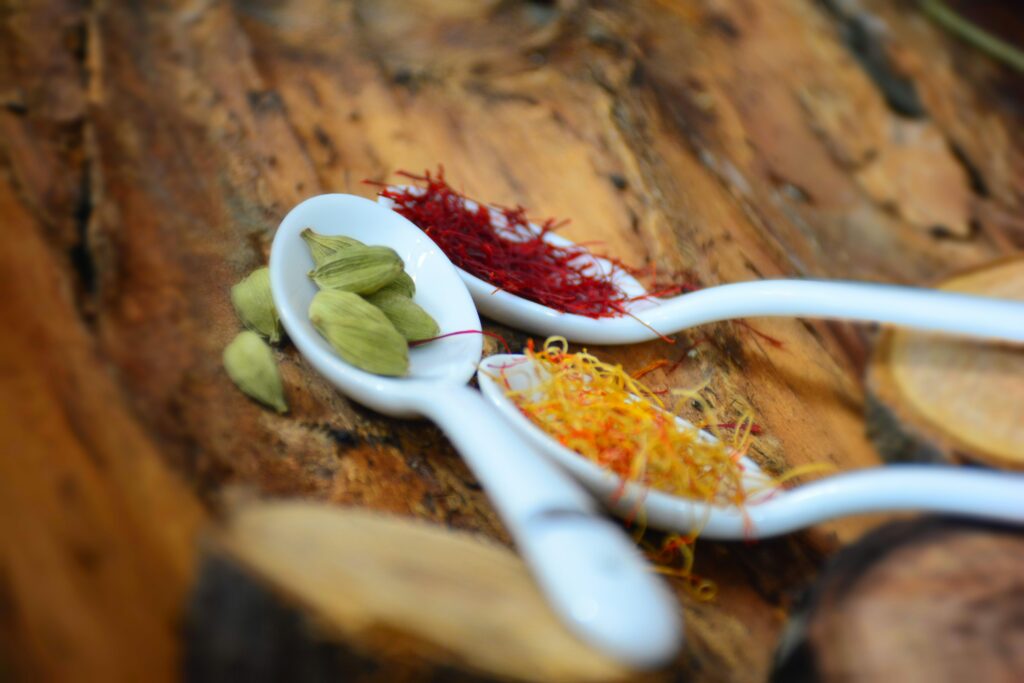
[Photo by Mohammad Amiri on Unsplash]
The Power of Premium Seasoning
There's a real difference between that dusty jar of paprika that's been hiding in your cupboard forever and a fresh, high-quality spice. Fancy seasonings just have a deeper, more complex flavor than the stuff that's mass-produced. This comes down to a few things: where they come from, how fresh they are, and how well they're mixed. Artisan spice companies often get their ingredients from specific places known for the best quality, which means a stronger, more authentic taste.
Think about the bright color and amazing smell of good smoked paprika, or the subtle kick from a special kind of chili. These aren't just minor details; they become the star of the dish. This focus on quality is what turns a plain chicken breast into one that's bursting with smoky, savory goodness. It's like how amazing flavor in artisan-cured meats such as biltong comes from a carefully guarded recipe of premium, perfectly balanced spices. You can bring that same level of care and flavor into your own cooking. Using better ingredients makes a huge difference, and the freshness and flavour of spices are directly linked to how powerful they are and how they can turn an ordinary meal into something extraordinary.
Building Your Spice Collection
Looking at a huge wall of spices can feel overwhelming, but putting together a good collection is actually easier than you'd think. You don't need to buy everything at once. A smart approach will give you awesome tools for tons of different dishes. Just start with the basics and go from there.
A good way to plan your shopping is by category:
- The Must-Haves: Before you get into fancy blends, make sure your everyday spices are top-notch. That means good quality sea salt flakes, whole black peppercorns for a grinder, and granulated garlic and onion powder. These four are the backbone of countless recipes.
- Earthy and Warm: These spices add a savory depth. Cumin, coriander seed, turmeric, and nutmeg are essential. Cumin is a must for Mexican and Indian food, while a tiny bit of nutmeg can really lift creamy sauces and mashed veggies.
- Dried Herbs: Fresh herbs are wonderful, but good-quality dried herbs are useful for marinades, rubs, and slow-cooked meals. Start with oregano, thyme, and rosemary. These are tough herbs that keep their flavor well when dried.
- A Little Heat and Color: Smoked paprika is a non-negotiable for adding smoky flavor without any actual spice. For heat, a simple jar of chili flakes is versatile. If you want a milder, fruitier heat, try Aleppo pepper.
Once you have your collection, how you store it is important. Spices lose their punch when they get too much heat, light, or air. Keep them in airtight containers in a cool, dark cupboard or drawer, not right next to your stove. Following spice storage best practices will make sure your investment pays off with great flavor for months.
Experimenting with Global Flavours
One of the coolest things about using spices is how they can whisk you away to another part of the world. With just a few key blends, you can whip up authentic global flavors right in your own kitchen. Instead of trying to buy dozens of individual spices, look for pre-made blends that are a perfect starting point.
Here are a few flavor profiles to check out:
- Middle Eastern: A blend like Za'atar is a brilliant way to get into the flavors of this region. It's a mix of thyme, sesame seeds, and sumac, which is a tangy, lemony spice. It's amazing sprinkled over flatbreads with olive oil, roasted vegetables, or grilled chicken. Learning what is in za'atar shows how just a few simple ingredients can create a complex and delicious flavor.
- North African: Ras el Hanout is a complex, fragrant blend from Morocco, often with more than a dozen spices like cardamom, clove, cinnamon, coriander, and turmeric. It's the secret to an authentic tagine and works beautifully as a rub for lamb or chicken.
- Indian: Go beyond basic curry powder and explore Garam Masala. This is a finishing blend of warm spices like cinnamon, cloves, and cardamom, added at the end of cooking to give a fragrant boost to lentil dals, vegetable curries, and meat dishes.
- Mexican: Move past basic fajita seasoning and try a blend that includes ancho or chipotle chili for a smokier, deeper flavor. A good Mexican-inspired blend is perfect for making chili con carne, seasoning taco fillings, or even stirring into sour cream for a quick dip.
Pick one region that sounds interesting to you. Buy one or two signature blends and try them in simple recipes. You'll be amazed at how easily you can create dishes that taste like they took hours to prepare.
Spice Up Your Barbecue Game
When the sun's out, nothing beats firing up the barbecue. And while that smoky flavor from the coals is a great start, a flavorful spice rub is what will truly make your food unforgettable. A 'rub' is just a mix of spices and seasonings you rub onto meat, fish, or vegetables before cooking. It creates a delicious crust, often called 'bark', that locks in moisture and adds a huge punch of flavor.
Making your own rubs is simple and lets you tweak the taste exactly how you like it. A classic barbecue rub usually balances four main things:
- Salt: For flavor and to help draw out moisture.
- Sugar: Usually brown sugar, which helps create a beautiful caramelized crust.
- Spice: This is where the heat comes from, like cayenne pepper, chili powder, or black pepper.
- Flavor: This is your unique touch. Smoked paprika for color and smokiness, cumin for an earthy taste, and garlic and onion powder for a savory base.
Don't just limit rubs to meat. A good spice rub is incredible on corn on the cob, halloumi slices, or sweet potato wedges. For something lighter, like fish or chicken, a herby blend with lemon zest, dill, and black pepper works wonders. Learning how to make your own barbecue rubs is a simple skill that will really pay off at your next cookout. Play around with different combinations, write down your favorites, and get ready to impress your family and friends.
A little adventure in your spice cupboard is all it takes to bring new life to your cooking, especially if you’re running a food business. Start with one new blend or spice this week and see where it leads you. You might just discover your new favorite meal.