AD. A busy schedule does not mean you have to give up a productive garden. By choosing manageable plants, planning seasonal jobs, reducing unnecessary maintenance and making watering easier, you can create an outdoor space that works around your lifestyle. The key is to design your garden around the time you genuinely have available in a realistic routine.
Build a Garden Around Your Real Routine
A garden should fit comfortably into your life and not become another demanding responsibility. If your weekdays are already filled with work, family commitments and other priorities, you may not have hours for gardening every evening. That does not mean you need to settle for an untidy or unproductive outdoor space.
Instead, start by considering when you really have the time for your garden. Maybe you have an hour on weekends, several shorter periods during the week or more time during certain seasons. Once you understand your routine, you can choose plants and gardening methods that fit naturally around it.
This approach also makes gardening more enjoyable, because you are less likely to feel guilty when you cannot complete every task immediately. A manageable garden lets you enjoy growing plants without constantly feeling that you are falling behind.
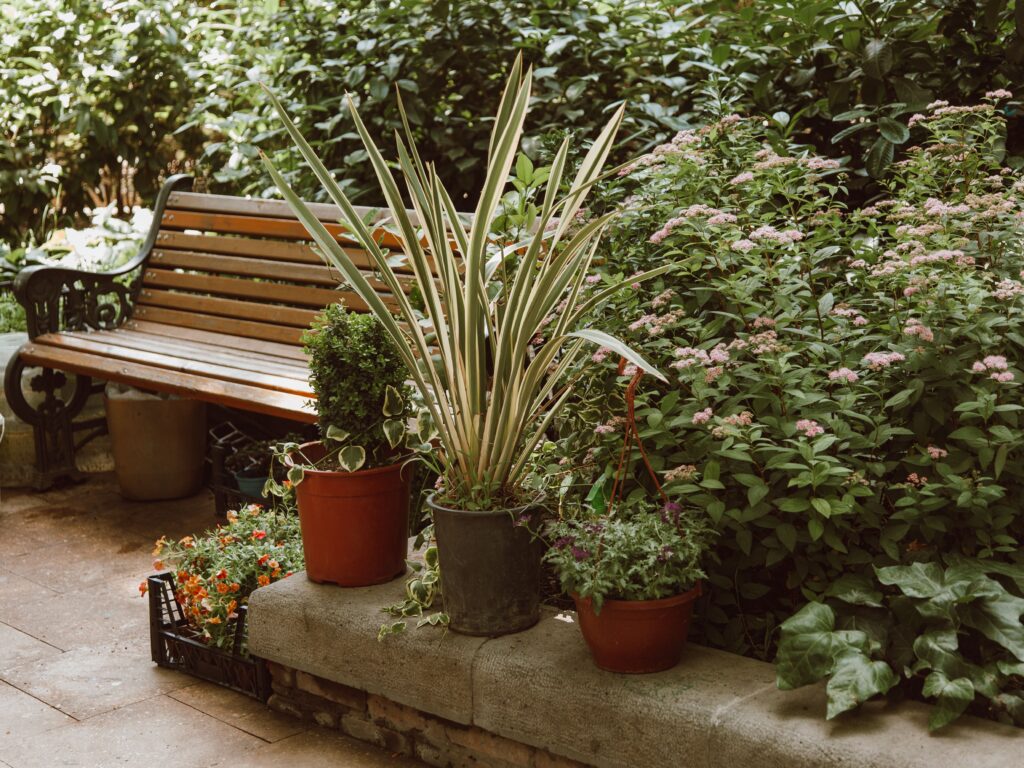
Choose Plants That Need Less Attention
The plants you choose mainly influence how much maintenance your garden requires. Some varieties need regular pruning, feeding, watering or protection, while others can cope reasonably well with periods of limited attention.
Start by selecting plants that suit your available time and the conditions of your garden. Hardy plants, established shrubs and resilient herbs provide reliable growth without demanding constant care. Consider how much sunlight, shelter and natural moisture your garden receives before deciding what to grow.
It is tempting to choose plants just because you like their appearance, but practical considerations matter when your schedule is busy. Matching plants to their environment reduces problems later on, because they are more likely to remain healthy without frequent intervention.
Make Watering Easier to Manage
Watering is one of the jobs that can become difficult when you are away from home or have limited time. Plants need moisture during warmer periods, and newly planted areas can be especially vulnerable if they are left unattended.
A smart watering system for your garden helps you manage this part of your routine more efficiently. Depending on the system you choose, automated watering can deliver moisture on a schedule, reducing the need to remember every watering session. Some systems also adjust watering to temperature and sunlight, which helps when conditions change while you are away.
You should still check on your plants regularly, because automated systems cannot account for every change in weather or plant requirements. However, reducing manual watering makes a noticeable difference when your available gardening time is limited.
Plan Jobs Before They Become Urgent
A little planning prevents small gardening tasks from becoming much larger ones. Instead of waiting until everything needs attention, you can track seasonal work and break large projects into smaller jobs that are easier.
An allotment planner is useful if you grow vegetables or manage a productive garden, especially when you need to track sowing, planting and harvesting periods. Having a clear overview helps you understand what needs attention and when, rather than trying to remember everything from one visit to the next.
You can create a simple weekly or monthly checklist covering jobs such as weeding, pruning, feeding and harvesting. Keep this list realistic, because an overambitious plan can become another source of pressure.
Reduce the Amount of Maintenance
You do not need to fill every available space with plants to create an attractive garden. Leaving some areas open and maintaining fewer beds, with clear paths and defined growing areas, makes routine jobs easier to manage.
Mulching around suitable plants also helps retain moisture and reduce the amount of weeding required. Similarly, grouping plants with similar requirements makes watering and general care simpler.
Consider how your garden will look and function year-round, rather than focusing only on its appearance during peak growing months. A garden that stays manageable during quieter periods is much easier to maintain when your schedule gets busier.
Make Weekend Gardening More Productive
If weekends are when you have most of your free time, you can make those visits more productive. Decide which jobs matter most and gather your tools beforehand, so you do not spend valuable time working out what needs to be done.
You might dedicate one weekend to planting and another to general maintenance, depending on the season. This lets you concentrate on specific tasks, rather than trying to complete everything during every visit.
You should also accept that some jobs can wait. If your plants are healthy and your essential tasks are under control, you don't need to spend every available minute making the garden look perfect. Leaving yourself some time to just enjoy the space is part of having a garden.
Create a Garden You Can Really Maintain
The best garden for a busy lifestyle is not necessarily the smallest or simplest one. Instead, it is a space designed around your circumstances, priorities and willingness to maintain it regularly.
When you choose suitable plants, organise your seasonal tasks and make practical changes to watering and layout, you reduce unnecessary work. You can also adjust your approach over time as you discover which parts of the garden require the most attention.
Ultimately, your garden should provide enjoyment rather than becoming another obligation. By being realistic about your schedule from the beginning, you create an outdoor space that remains healthy, productive and welcoming, even when life gets busy.