Care Homes vs At-Home Care
With the cost-of-living rising, every penny counts – even for things we wouldn’t want to skimp on. If you have ageing relatives or are already caring for a loved one, then the prospect of having to pay for their care can be daunting, but it’s not a place where anyone wants to cut corners.
Whether you choose to continue caring for them in their own home, or yours, or they decide it might be time to enter a residential care home, there are costs involved. The price of care will vary depending on several different factors, but mostly it'll depend on the level of care the person needs and where they choose to receive it.
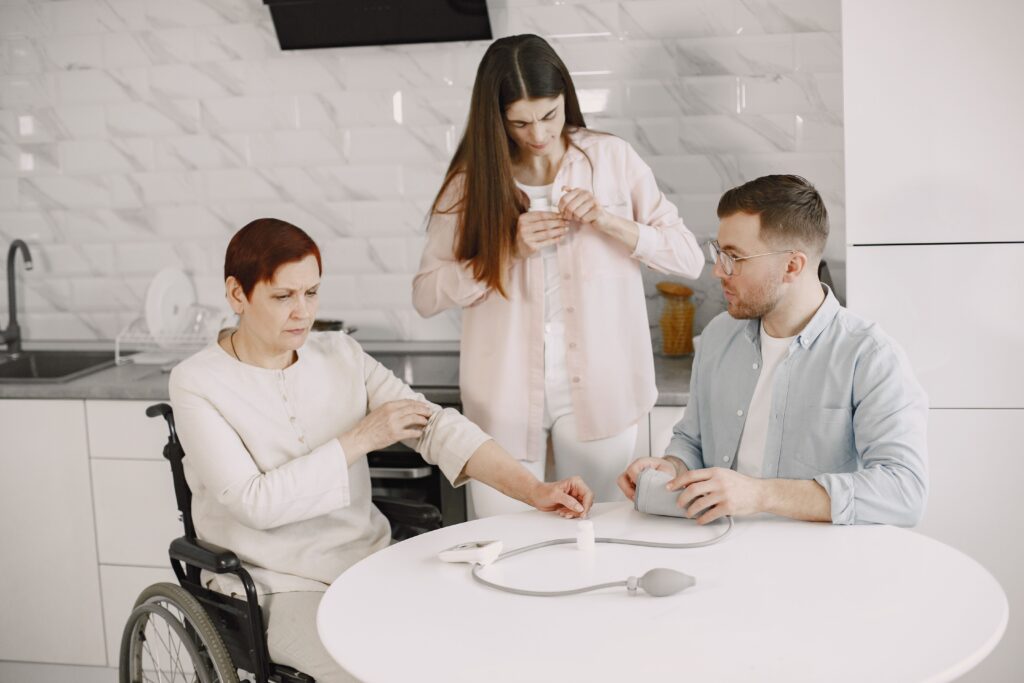
Factors Affecting the Cost of Care
Location
Where you live can change the cost of your care considerably. There are care homes and care agencies in almost every village, town and city up and down the country, each with its own pricing structures and fees.
If you live in the south of England, you can expect to pay more for your care due to the higher economic demand, increased wages, and higher cost of living. There are several private care home groups in the South, like Oakland Care, which have multiple high-end residential care homes in London and the South East, and ensure that the standards provided are exceptional for what their residents pay.
In the North of England, on the other hand it can be much cheaper, with care home fees and the cost of in-home carers being lower. In Scotland, personal care and nursing care are free if you have been assessed and require them, but you must pay the remainder of the care home fees.
Care Needs
The level of care you or your loved one requires will greatly affect the cost of care. Nursing care, for example, will come with a much higher fee due to having to fund specialist nurses to administer medication and the use of expensive equipment. In some care home settings, this nursing care is included in the overall fees for the home, as they have nurses on hand for daily support, but this will still come at a higher cost than for residents opting for just residential or respite care. For those requiring dementia care, there will also be an additional fee due to the complexity of their illness and the round-the-clock support they will receive.
If you opt for at-home care, the costs can be even higher for those with complex care needs who require a nurse or carer to visit the home, as you will be paying towards their wages, as well as any agency fees on top. This cost can rise even further as you may need to pay for overnight carers to stay in your or your loved one's home if you cannot support them, or they need additional support with medical needs that a single carer can not provide alone.
Facilities
Each care home will have the basic features and services you would expect to see in a residential care setting, but many will have additional facilities, offering a more premium service. For example, Oakland Care homes have en-suite rooms for residents as standard, but they also have in-home beauty salons, multiple restaurants, and physiotherapy services available to use, all included in the overall cost of the care home. These luxury touches may make the cost of the care home higher but will enhance the life of the residents and make them feel more comfortable in the setting.
Financial Status
The financial status of the person who requires care will heavily impact the cost of the care they receive. If the person who needs care has a significant amount of savings or capital, then they will be required to pay for their own care and pay privately. However, if a financial assessment is made by the local authority, which evaluates your income, pensions, savings and assets, and it is deemed under the threshold, then you may be eligible for council funding and support from the NHS to pay for your care.
At-Home Care
When a person’s health begins to decline and they begin to need help and support with daily tasks, the first step is often to have a family member or friend care for them in their home as and when they need it. However, this may not always be possible if they have no family or friends nearby, or their health issues are more complex. If this is the case, there are specialist at-home carers who will be able to take over some of the responsibilities by coming to the persons home, either for a few hours a day throughout the week, or for longer periods depending on the situation.
At-Home Care Costs
There are different options for home care providers, depending on your situation and the needs of the person being looked after, each with their own costs. The cost of having a carer visit each day is anywhere from £20 to £40 per hour, depending on your location, the needs of the person being cared for, and how the carer is employed. You can either use a fully regulated care provider, who will take care of everything from the carers contracts to holiday cover, or you can use an agency, who can help you find self-employed carers.
If the person who requires care needs full-time support, it may be more beneficial to employ a live-in carer independently. This is where a carer will be in the home with the person requiring care around-the-clock and support them with their daily tasks, like administering medication, mealtimes and bathroom duties.
Having carers do home visits can become costly, with the price of in-home care being around £1,500 per week. When compared to the cost of residential care homes, at-home care can seem quite pricey, with less benefits to the person being cared for – though, of course, they are in their own home, which is preferable for many. It’s best to weigh up all your options and shop around when considering which care solution is right for you or your loved one.
Considerations
When looking at the cost of care and comparing the price of at-home care vs care home fees, it’s important to take into account the needs of the person requiring care. If it is financially viable, and the person who needs looking after wishes to stay in their own home for as long as possible, then at-home care is the ideal solution.
However, if they can no longer be cared for at home, or the cost of in-home care is mounting up, then choosing a care home which has extra facilities and nursing care included in the monthly fee is a desirable option. The end goal should be that the person who requires care gets the help and support they need, in a setting where they feel comfortable, no matter the cost.