AD. You open an app for a recipe and end up comparing yourself with the person making it. Somewhere between watching and scrolling, your attention has shifted from what you wanted to cook to how you think you ought to look. Body image includes how you perceive and feel about your body. The relationship between social media and body image varies: online spaces can offer connection and broader representation, while some content repeatedly draws you into judging yourself against others.
Put Photographs In Context
Even an unedited photograph offers a selective view. Pose, lighting, clothing and the moment chosen all affect what appears on screen. You are seeing a selected moment, rather than a complete account of somebody’s body or daily life.
For someone exploring options through ART Breast’s Breast Surgery Manchester page, a saved photograph might help explain a preference. Suitability and realistic outcomes, however, require an individual clinical discussion; another person’s image is no guarantee of the same result.
The distinction applies beyond treatment decisions. You can admire someone’s style without treating their photograph as evidence that your own appearance needs changing.
Notice When Interest Becomes Comparison
Research discussed by Healthline links appearance comparison with body-image concerns. That association alone does not establish that scrolling caused those concerns.
Think back to one recent browsing session that left you uncomfortable. What were you viewing? What comparison did it prompt? Did it change what you wanted to do afterwards?
Perhaps a clothing video led you to search for ways to change your shape, or a skincare post left you reluctant to appear in photographs. Look for the point where something enjoyable became a demand you placed on yourself.
Keep this reflection brief and focused on the content and your response. The purpose is to understand a browsing habit, rather than start tracking your appearance through diaries, scores or extra photographs.
Make A Change That Fits The Pattern
If transformation videos repeatedly leave you feeling inadequate, try muting the accounts or using available controls to hide similar recommendations. Where comments beneath otherwise enjoyable posts trigger comparison, try leaving the discussion unopened.
Muting a friend’s posts can also be a reasonable boundary. You can value the friendship while choosing how often their content appears in your feed.
Give yourself a purpose before opening an app: reply to a message, find a recipe or check an event. Once that task is finished, pause and decide whether you want to keep browsing.
After trying an adjustment for a few days, consider whether using the app feels different. Time spent online is only one measure. Being able to enjoy a post and move on, instead of turning it into another personal improvement task, matters too.
Give Appearance Less Space
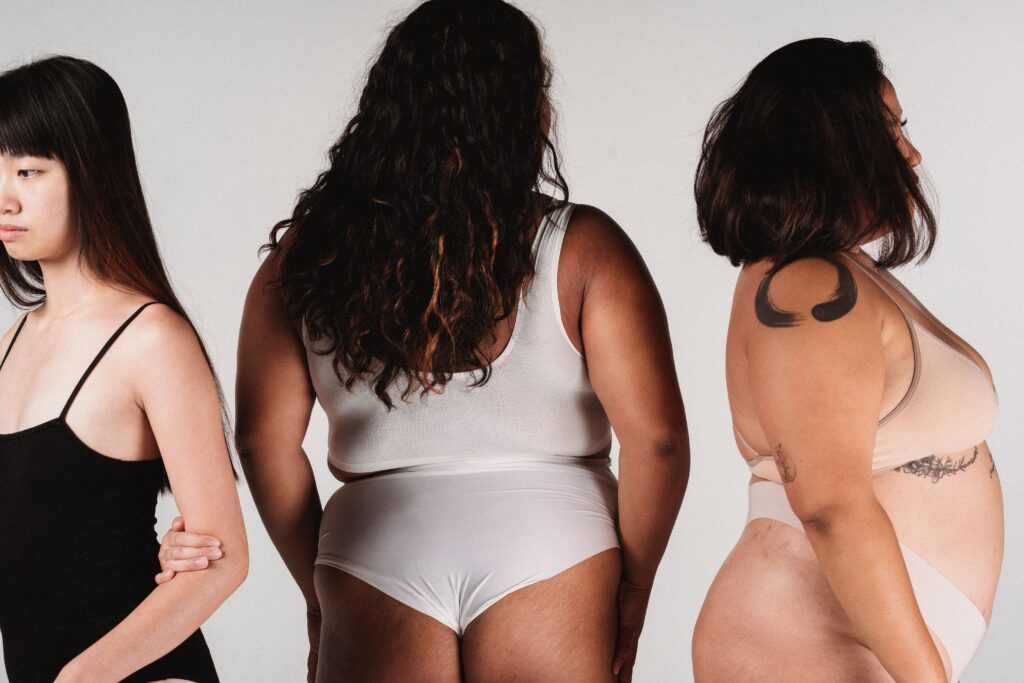
Supportive communities and a wider range of bodies can make online spaces more welcoming. Yet a feed filled with body-positive photographs still keeps appearance at its centre.
A systematic review of body-positive social-media content found improvements in some measures of satisfaction and body appreciation. Results differed across outcomes, and longer-term benefits remain uncertain.
Choose content by how you respond to it, as well as the message it intends to convey. If positive posts still leave you scrutinising yourself, make room for interests where appearance is incidental: local history, gardening, comedy, crafts or music.
Body neutrality offers another approach: allowing your body to exist without continually deciding whether it looks good. In everyday terms, that might mean choosing clothes for comfort or enjoying an activity for what you did and who you were with, rather than judging it through the photographs afterwards.
When Worries Spill Into Everyday Life
Speak to a GP if appearance concerns are interfering with eating, work, relationships or your willingness to go out.
You can ask for help before you have a name for what is happening. Explain what occupies your thoughts, what you avoid and how it disrupts your day. A GP can discuss appropriate support.
Consider telling someone you trust what has been difficult, too. Feeling positive about every part of your appearance need not be the goal. Having more room for friendships, interests and ordinary activities is worthwhile in itself.