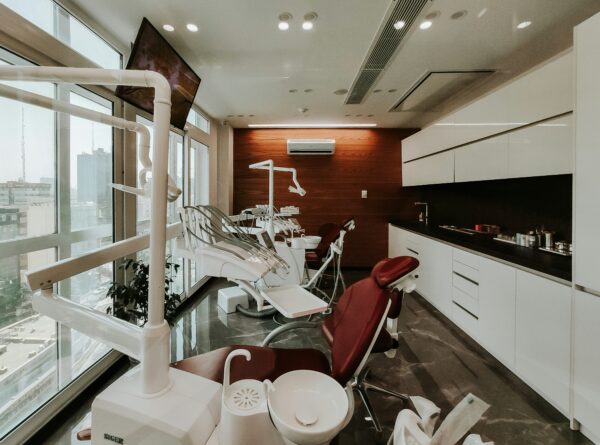
Visiting the dentist today looks remarkably different from what most people remember growing up. The long waits, the clunky trays full of impression material, the vague sense that something uncomfortable was always moments away. That experience is fading. In its place, patients are arriving at appointments that are faster, more precise, and far less daunting than they might expect.
The shift is largely down to technology. Modern dental practices are increasingly built around digital tools, computer-guided planning systems, and equipment that prioritises accuracy as much as comfort. Whether you are coming in for a check-up, considering cosmetic treatment, or researching a more involved restorative procedure, the technology underpinning that care has changed substantially in recent years.
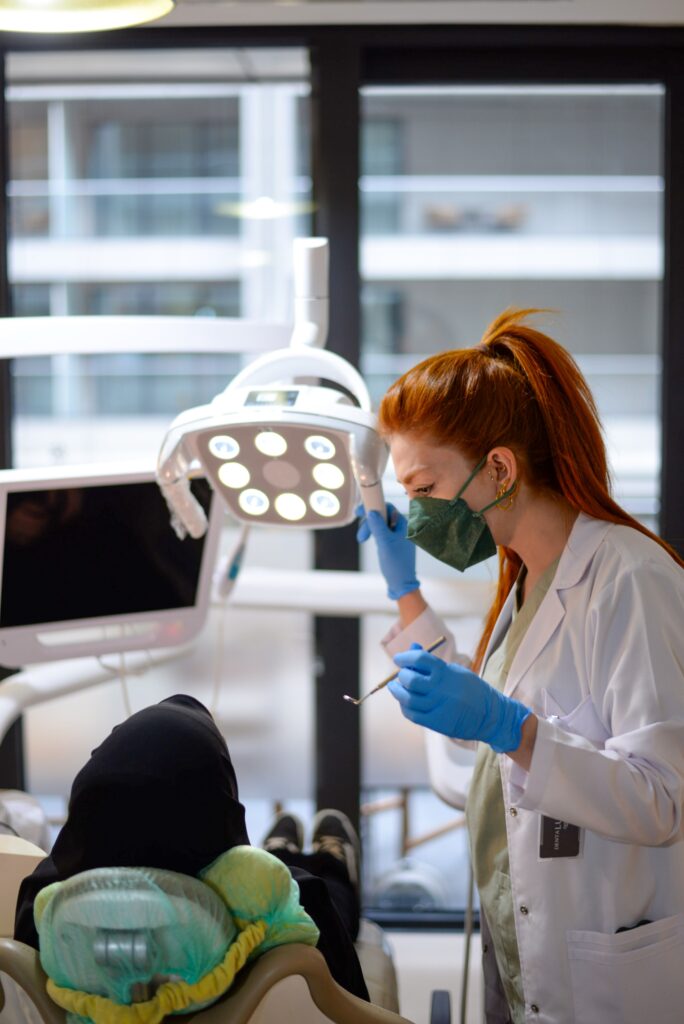
Understanding What "Advanced Dental Technology" Actually Means
The phrase gets used a lot, but it covers a genuinely wide range of tools. At its core, advanced dental technology refers to any equipment, software, or digital system that helps a dentist diagnose, plan, or deliver treatment more effectively. That includes digital imaging, intraoral scanners, 3D cone beam CT, AI-assisted diagnostics, and software that lets clinicians map out a full treatment course before anything clinical begins.
These tools do not replace the judgment of an experienced clinician, but they do extend what that clinician can see, measure, and predict. At dental clinics such as Smile HQ, patients considering treatments such as composite bonding in Essex, for instance, now benefit from digital smile design software that generates a visual preview of expected results ahead of treatment. That kind of transparency was simply not possible a decade ago.
How Modern Equipment Makes Procedures More Comfortable
Patient comfort has become a genuine design priority, not just a marketing line. Many of the advances in dental equipment have directly reduced the things people dislike most about clinical appointments.
Faster digital workflows mean fewer appointments and less time in the chair overall. More precise instruments allow clinicians to work with greater control, which typically means less tissue disruption and a quicker recovery. Where older techniques might have required multiple visits to achieve a result, digital planning and in-house manufacturing have compressed timelines considerably.
For patients weighing up longer-term restorative options such as dental implants in Essex, pre-surgical planning software maps out the entire procedure in digital form before a single incision is made. That level of preparation reduces uncertainty, improves accuracy, and gives the patient a much clearer picture of what to expect.
Digital Imaging And Why It Matters For Diagnosis
Accurate diagnosis is the foundation of any good treatment plan, and digital imaging has made that foundation considerably more solid. Digital X-rays now produce sharper, more detailed images than traditional film, and they do so at lower radiation levels. Some practices use radiation-free alternatives where clinically appropriate, which is an option simply not available with older technology.
Cone beam CT (CBCT) scanning adds another dimension, quite literally. It generates three-dimensional images of the teeth, jawbone, nerves, and surrounding structures, giving clinicians a level of anatomical detail that transforms planning for complex cases. Implant placement, orthodontic work, and surgical procedures all benefit from this kind of imaging, where the margin for error is small and the consequences of imprecision are significant.
From Messy Moulds To Intraoral Scanning
For many patients, the traditional dental impression is among the most unpleasant parts of a visit: trays packed with thick material, an uncomfortable hold time, and a result that sometimes has to be redone. Intraoral scanning has largely replaced that process in modern practices.
An intraoral scanner captures a precise digital model of the mouth in minutes. The images are available immediately for review, can be adjusted on screen, and are transmitted electronically to dental laboratories, cutting down the turnaround time for restorations. The accuracy is also consistently higher than conventional impressions, which reduces the likelihood of ill-fitting restorations and repeat appointments.
CAD/CAM, Lasers, And Computer-Guided Treatment
Several technologies that once seemed specialist are now part of routine dental care. CAD/CAM (computer-aided design and manufacturing) allows practices to design and mill ceramic restorations in-house. In some cases, this means a patient can receive a crown in a single visit rather than waiting several weeks for a laboratory to produce one.
Laser dentistry has similarly moved from niche to mainstream. Dental lasers are used for soft tissue procedures, gum contouring, and in some cases cavity treatment. Because the beam is highly targeted, there is typically less bleeding, less swelling, and a faster healing period than with conventional instruments.
Computer-guided implant surgery uses digital planning data to direct placement with a level of precision that would be difficult to achieve freehand. The surgeon works from a detailed map of the patient's anatomy, which reduces operating time and improves the predictability of outcomes.
Technology's Role In Cosmetic Treatment Planning
In cosmetic dentistry specifically, technology has changed how clinicians and patients communicate about outcomes. Digital smile design software allows a dentist to model potential results on screen, adjusting proportions, colour, and shape before any treatment is carried out. Patients can respond to what they see, ask questions, and be genuinely involved in decisions rather than relying purely on verbal descriptions.
This kind of pre-treatment visualisation is particularly relevant for procedures like composite bonding, veneers, and orthodontics, where aesthetic preferences are deeply personal and the result needs to match the patient's expectations closely.
AI In Dentistry: What It Does And What It Does Not Do
Artificial intelligence is starting to appear in clinical settings in practical, low-key ways. AI tools trained on large image datasets can flag potential areas of concern in X-rays or scans, helping clinicians catch early-stage issues that might otherwise be missed. The technology works as a second layer of review, not as a replacement for clinical expertise.
Beyond diagnostics, AI is also being used to improve practice efficiency: organising patient data, tracking treatment progress, and supporting recall and preventive care programmes. As these systems develop, they are likely to become a standard part of the infrastructure behind a well-run dental practice.
What To Look For In A Technology-Led Dental Practice
Not every practice invests equally in modern equipment, so it is worth knowing what questions to ask. Does the practice use digital X-rays and intraoral scanning? Do they have in-house CAD/CAM capability for restorations? Can they show you a digital preview of cosmetic treatment before you commit?
A practice that invests in its technology tends also to invest in its clinical standards more broadly. Modern tools support more consistent processes and better-documented outcomes, which benefits patients from their first consultation through to long-term care.
The relationship between good technology and good patient experience is not coincidental. It reflects a philosophy of care that takes precision, communication, and comfort seriously. For patients choosing where to receive treatment, it is one of the more reliable signals of overall quality.