AD. Risk management is a key priority in commercial building operations. Protecting occupants, safeguarding assets, and ensuring business continuity all depend on effective safety systems and structured planning. Fire risk, in particular, represents a major concern that requires immediate response capabilities.
Fire sprinkler systems are a central component of this approach, and consistent fire sprinkler maintenance ensures that these systems remain reliable, compliant, and ready to respond when needed. With support from providers such as FSS, building managers can maintain systems that actively support risk reduction strategies.
Understanding Fire Risk in Commercial Buildings
Commercial buildings often present a complex fire risk profile due to a combination of operational and environmental factors. High occupancy levels, continuous use of electrical equipment, and the presence of combustible materials all increase the likelihood of fire incidents.
In addition, many commercial environments operate across extended hours, which can increase system strain and reduce the window for routine monitoring. This makes it essential for building managers to implement structured risk management strategies that include both preventive measures and responsive safety systems.
The Role of Fire Sprinkler Systems in Risk Reduction
Fire sprinkler systems are designed to respond automatically when exposed to high temperatures. By activating at the early stages of a fire, they help control its spread before it escalates into a larger incident.
This immediate response plays a critical role in reducing overall damage. By limiting the spread of flames and controlling heat levels, sprinkler systems help protect structural integrity and reduce the risk of fire spreading to adjacent areas. This early intervention is often the key factor in preventing significant loss.
Supporting Business Continuity
Fire incidents can have a major impact on business operations, often leading to downtime, financial loss, and service disruption. A well-maintained fire protection system helps minimise these risks by controlling fire damage at an early stage.
Regular fire sprinkler maintenance ensures that systems operate effectively and respond as intended. This reduces the likelihood of system failure and helps businesses recover more quickly following an incident. By limiting the scale of damage, organisations are better positioned to resume operations with minimal disruption.
Enhancing Safety for Occupants
The safety of building occupants remains the primary concern in any fire risk scenario. Fire sprinkler systems contribute to a safer environment by reducing heat intensity and slowing the spread of smoke.
This creates more manageable conditions within the building, allowing occupants additional time to evacuate safely. In many cases, the presence of a functioning sprinkler system significantly improves overall safety outcomes during a fire incident.
Integration with Wider Risk Management Strategies
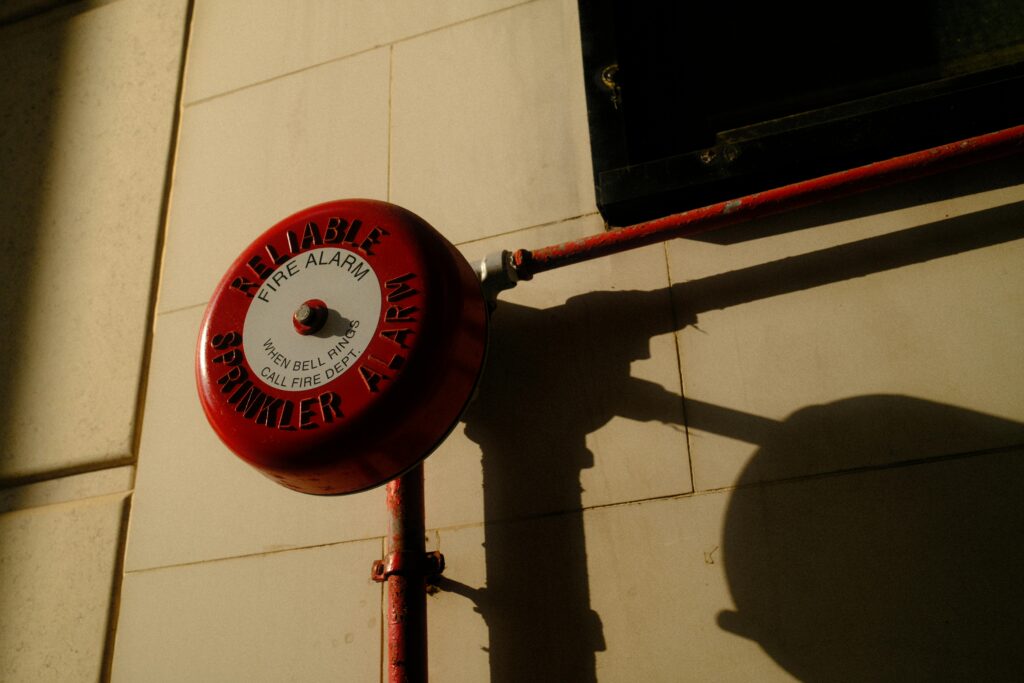
Fire sprinkler systems are most effective when they form part of a wider, integrated safety strategy. This includes coordination with fire detection and alarm systems, emergency planning procedures, and staff awareness programmes.
Rather than functioning in isolation, sprinkler systems should be considered part of a broader framework that addresses multiple aspects of fire safety. This integrated approach ensures that all elements of risk management work together to provide a more comprehensive level of protection.
The Importance of Maintenance in Risk Management
Maintenance is critical to ensuring that fire sprinkler systems continue to perform reliably. Without regular inspection and servicing, issues such as pressure inconsistencies, blocked sprinkler heads, or valve malfunctions can develop over time.
A structured maintenance programme allows these issues to be identified early and addressed before they affect system performance. Regular fire sprinkler maintenance also ensures that systems remain compliant with safety standards and continue to support overall risk management strategies.
Conclusion
Fire sprinkler systems play a vital role in managing fire risk within commercial buildings. Their ability to respond quickly and control fire at an early stage makes them an essential part of any safety strategy.
By prioritising fire sprinkler maintenance and working with experienced providers such as FSS, building managers can ensure that their systems remain effective, compliant, and ready to protect both people and property. A proactive approach to maintenance and system management supports long-term safety, operational stability, and risk reduction.
FAQs
Why is fire sprinkler maintenance important for risk management?
Regular maintenance ensures that the system functions correctly during an emergency, reducing the risk of failure and supporting overall building safety.
How do sprinkler systems help reduce business disruption?
By controlling fire early, they minimise damage and allow businesses to resume operations more quickly.
Can sprinkler systems work without regular servicing?
While they may still function, lack of maintenance increases the risk of faults, which can compromise performance during critical situations.
Are sprinkler systems enough on their own for fire safety?
No, they should be part of a wider fire safety strategy that includes alarms, emergency planning, and regular inspections.