AD. Online shopping is booming, but competition is fierce. If you run a store, it’s not easy to find customers and encourage them to choose your brand and become loyal clients. The good news is that making small changes to your strategy can have a big impact. If your sales have stalled or slowed, here are some top tips to get you back on track.
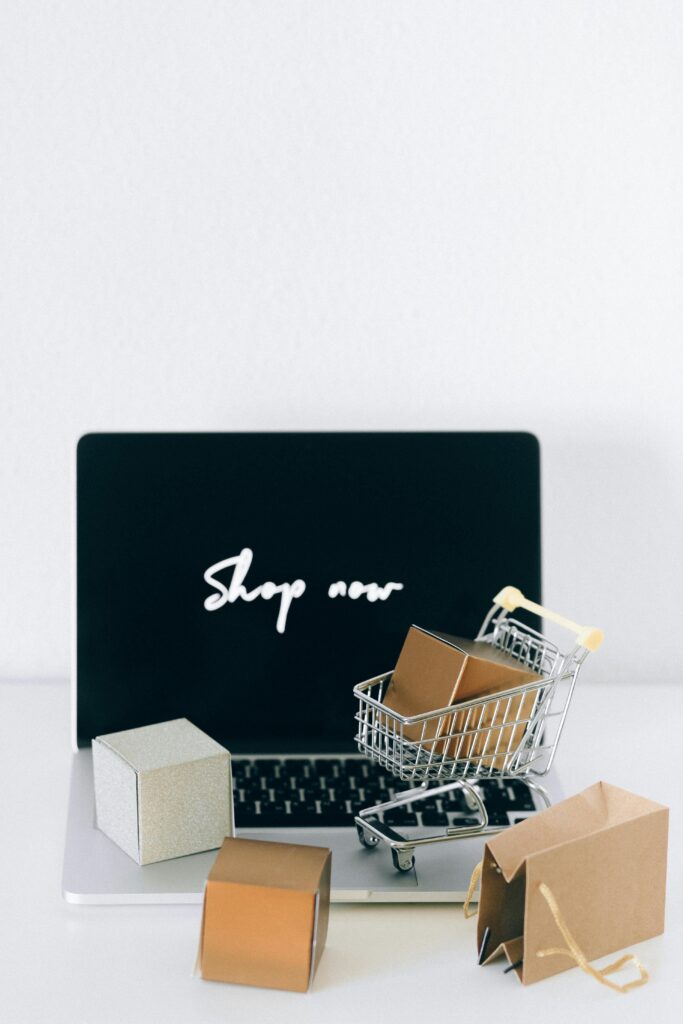
Tips To Boost Online Sales
Enhance Visibility
A lack of visibility is one of the most common reasons why online businesses fail. Every day, millions of people use search engines and social media platforms to look for products and businesses. Google alone processes over 9 million searches per minute. If your links or ads don’t appear in feeds or search results, it’s tough to compete. Improving your visibility can help you reach target audiences, expand your client base, gain a competitive advantage and create high-quality leads.
Investing time and energy in digital marketing is an excellent way to connect with target customers, attract shoppers and put your site on the map. If you don’t have expertise in this area, it pays to work with an ecommerce SEO agency with a proven track record. SEO experts can develop new ideas and strategies, implement and monitor marketing campaigns and analyse data to help you make improvements and address issues. Hiring professionals can also help you increase your ROI.
Paid search sits alongside SEO in most ecommerce plans, and it works differently in one important way: you bid to show up at the top of the results straight away rather than waiting for rankings to climb. Getting the bidding, keywords and budgets right takes practice, which is why plenty of store owners bring in PPC Experts to run Google Ads across Search, Shopping, PMax and Display. A well-managed account weeds out the searches that waste money and puts more spend behind the terms that actually lead to sales. That tighter focus is what lifts your return, especially when you're paying for every click.
Run promotions
Studies show that 65% of consumers are more likely to buy products if they’re on promotion. This figure rises to 75% among Gen Zers and millennials. Offering discounts and offers is a fantastic way to create a buzz around specific products, introduce your brand to new customers, encourage brand loyalty and generate sales.
When you’re devising plans for a new promotion, consider your ideal buyer carefully and use data and research to help you decide which kinds of deals to run. Examples you might want to explore include discount codes, multi-buy offers, free shipping and limited-time sales. Focus on the rewards and incentives that are most appealing to your customer base and advertise offers via email, social media and your website.
Tackle pain points
If you’ve experienced a downturn in online sales, it’s helpful to understand why. Making changes and tackling pain points can be as impactful as enhancing brand awareness and visibility and launching promotions. It’s particularly important to address issues if data shows people are leaving the site after visiting specific pages or abandoning their carts at the final stage. You can use data, client feedback and market research to highlight problems. Common reasons to abandon a product late in the day include hidden extras, expensive delivery fees, long-winded, complicated checkout processes and a lack of payment options. Shopify data suggests that 49% of shoppers back out due to high or unexpected fees at checkout.
Online shopping is booming, but it can be tough to turn a store into a success story. If you sell online and you’re struggling, it’s beneficial to focus on three key areas. These include improving visibility and brand awareness, running promotions to drive sales and tackling pain points that contribute to declining sales figures or losing buyers to competitors.