Predictions about the high street's demise have circulated for years, yet millions still choose to browse shops, handle products and experience retail environments in person. Whilst digital shopping undeniably grows, physical stores provide emotional, sensory and social value that screens can’t. The question isn't whether bricks-and-mortar retail will survive, but what evolution these spaces must undergo to remain compelling in a digital world.
Why Real-World Experiences Still Influence Buying Decisions
Physical interaction fundamentally shapes purchase confidence, particularly for products involving aesthetics, quality or personal fit. Trying clothes reveals how fabrics drape and colours appear against your skin tone, which are details photographs rarely convey accurately. Comparing home furnishings in person lets you assess texture, weight and scale in ways online images cannot. Manchester Digital reveals that 85% of UK shoppers still prefer experiencing products physically before purchasing significant items. These tactile moments build trust and reduce return rates by eliminating guesswork that online shopping inherently involves. Face-to-face advice from knowledgeable staff adds reassurance that FAQ pages and chatbots struggle to match, particularly for technical products or considered purchases where guidance genuinely influences decisions. The sensory completeness of physical retail, like seeing natural colours under proper lighting, feeling material quality, and gauging actual dimensions, creates certainty that digital approximations cannot replicate, regardless of how advanced photography and descriptions become.
How Stores Can Create Spaces People Want to Visit
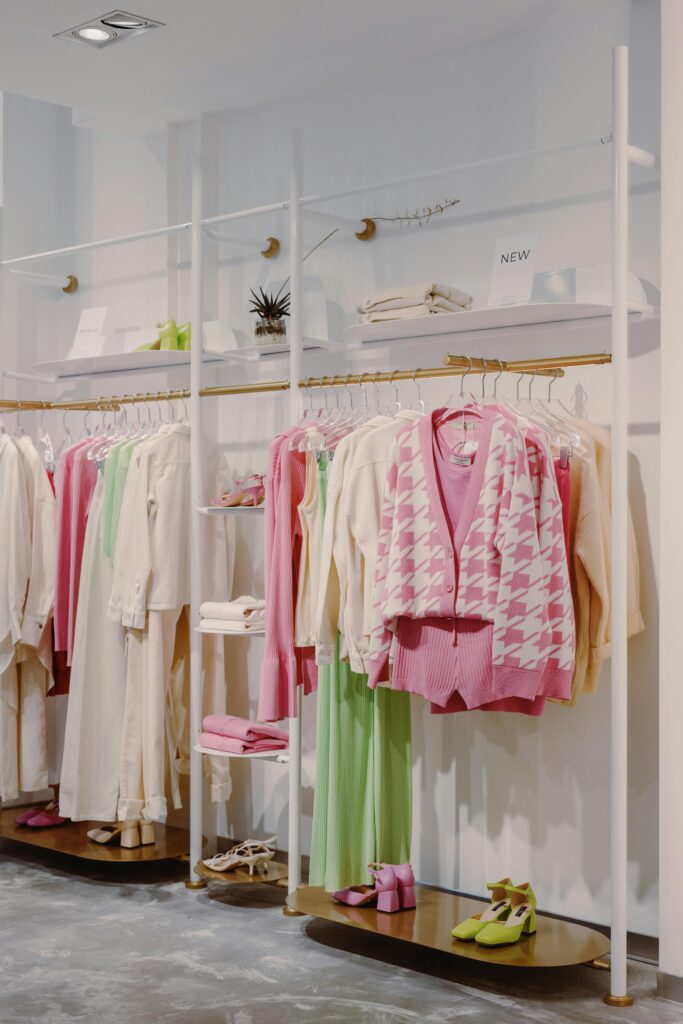
The environment determines whether customers view visiting shops as enjoyable experiences or tedious obligations. During an era of diminishing attention spans and elevated expectations, atmospheric design becomes important for attracting and retaining footfall. Thoughtful lighting is particularly significant in creating appealing retail environments. Strategic use of modern LED strip lights allows retailers to zone spaces effectively, highlight featured products, and establish moods that feel premium without requiring extensive renovation budgets. These energy-efficient solutions give flexibility for seasonal adjustments and promotional displays whilst lowering operational costs compared to traditional lighting systems. Besides lighting, tactile design elements, such as quality materials, comfortable browsing areas, and intuitive layouts, signal that retailers respect customers' time and attention. Visual merchandising that tells coherent stories instead of simply displaying inventory creates engagement that encourages lingering and exploration. Exceptional service changes routine transactions into memorable interactions that encourage repeat visits and positive word-of-mouth. Staff who genuinely understand products and customer needs become brand ambassadors whose expertise justifies the effort of visiting physical locations.
The New Purpose of the Store in a Digital World
Contemporary physical retail increasingly functions as a brand experience hub and not just as a transaction point. Stores now host workshops, demonstrations and community events that create reasons for visiting besides immediate purchase needs. Repair services, personalisation stations and expert consultations add value that purely transactional models cannot deliver. Hybrid models integrating click-and-collect services acknowledge that convenience matters whilst leveraging physical locations for final-mile efficiency and spontaneous additional purchases. Analysis from Savills suggests that stores embracing experiential elements and service-focused missions see higher customer loyalty compared to traditional retail approaches. These spaces become destinations where people connect with brands emotionally, experiencing values and quality standards that marketing messages alone cannot convey. The physical store's role shifts from competing with online convenience to offering complementary value, like immediate access, expert guidance, community connection and sensory confirmation.
Physical retail's future depends on recognising what digital platforms genuinely cannot provide, such as tactile exploration, immediate gratification, human connection and atmospheric enjoyment, then deliberately designing spaces that maximise these irreplaceable advantages whilst complementing rather than competing with online convenience.