AD. Modern living is increasingly turning away from separated, closed-in spaces. Instead, homeowners are yearning for a deeper connection with the outdoors. We are seeing a blurring of boundaries, both in architectural and design terms, where spaces transition between the indoors and outdoors more seamlessly than ever.

Why Erase The Line?
Every person has their own interior style and reasoning for this, however, there are some general advantages of reconnecting with the outdoors. Visually, this connection can make spaces look and feel dramatically bigger, since rooms are flowing into open spaces. Not just that, the increased amount of natural light, fresh air, and greenery visible from different parts of your home is known to reduce stress and improve mood. Instead of having to escape into the nature to recharge your batteries, you are inviting it into your home!
Foundational Elements: Doors, Windows, and Walls
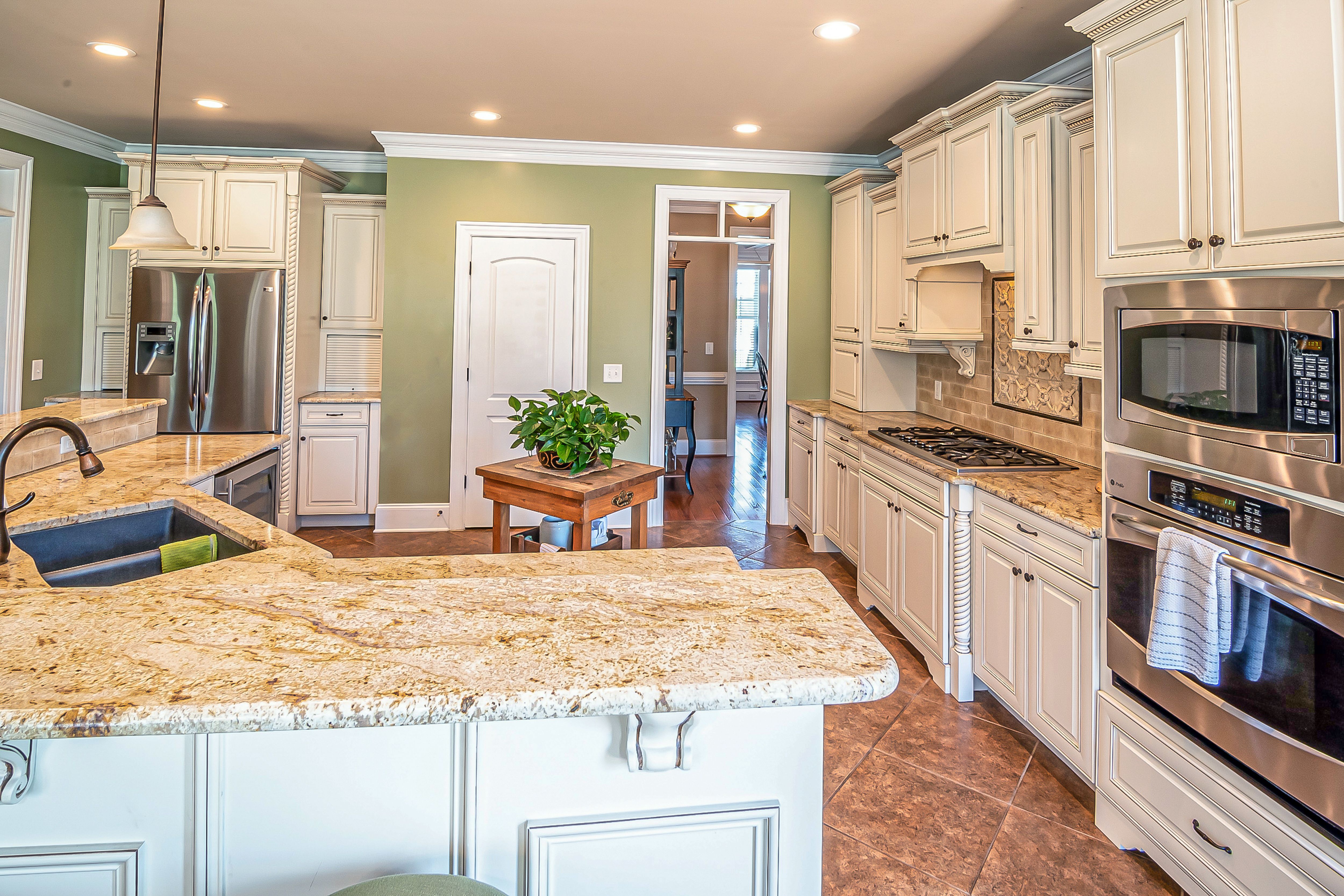
The physical barriers between the inside and out is typically what makes the two feel more separated. So, the best way to create a seamless transition is by getting rid of these elements. For example, instead of a kitchen with a small window that disappears into the wall, let the light flow in with large or floor-to-ceiling windows. Even if they’re fixed, the visual effect is incredible. And, if you have a patio or a garden, open it up with large bi-fold doors, that can be completely undone in hot summer days. For those living on the top floor, a skylight is another great way to have sun flooding indoors.
Many of these changes are costly, but can be done relatively easily in most homes. However, when designing a newly built property or completely changing the layout of the existing space, more thought will need to be put in. Ideally, the kitchen and dining areas, the heart of the home, would be located near the garden and exist as an open-plan space. Many professional interior designers are also now aiming to create a seamless flow right from the moment you step in the front door, with direct views of the garden across the hall.
The Continuity of Materials
Achieving a smooth transition to the outdoors will also rely on visual continuity, primarily through materials. For instance, you may use the same flooring material inside as you do on the patio, which will blend the two spaces seamlessly. Similarly, your kitchen worktops could extend into the outdoors and turn into a barbecue area. If that cannot be done, create cohesion through the colour palette and decor. Use natural materials indoors, drawing inspiration from mother nature, while the garden spaces can be decorated in similar style and colours. You may also accessorise with outdoor mirrors, rugs, cushions, and blankets that complement the textures from the inside.
The furniture is equally important. If you have lots of soft and cosy pieces indoors, but your garden is filled with furniture that is not inviting, this will make a clear division. Instead of artificial-looking plastic or back-breaking metal, opt for high-quality outdoor furnishings that echo style and comfort. Look for sophisticated silhouettes that match the style of your interiors and feature comfortable cushioning. If you’re worried about buying a quality set because of it getting ruined outside, it’s always a good idea to invest in some custom outdoor furniture covers. These are not only made-to-measure to fit your pieces perfectly, but also available in numerous bespoke colours, which will keep your garden looking nice and tidy.
Layering Light and Landscape
Lighting and landscaping are essential layers in unifying indoors and outdoors. Develop an integrated lighting plan: use similar fixture styles or ensure consistent lighting temperatures inside and out to avoid jarring contrasts. Implement layered lighting (ambient, task, and accent) in both zones. You could also consider landscape uplighting, for instance, to highlight the trees or other features visible from indoors, and subtle pathway lighting leading outwards. Having dimmers is an easy way to adjust the ambiance in both areas, too.
Strategic landscaping is just as key. Plant greenery close to the building edge, utilising container plants or flower beds. Of course, bring the greenery inside too, with as many real plants scattered around the house as possible (yes, even the bathroom can have small plants in it). Lastly, design your window and door openings to frame lovely nature views from various different parts of your home - even if your flat is upstairs, and you don’t have a private garden, looking out into trees and the sky as opposed to buildings will make you feel more connected to nature.
Inviting The Outdoors In
Ultimately, blurring the boundaries between indoors and outdoors is about more than just the layout of your home. There are subtle changes you can make in your interiors, whether it’s the materials you choose for your home furnishings or the plants you bring into your home, all of which helps create spaces that have a nature-like serenity about them.

If I buy my own house, I would love an open space, something that easily flows indoors and outdoors. I would love to have lots of light coming in! x
Lucy | http://www.lucymary.co.uk
These are good interior tips. Lightning is always important. Thank you for sharing.
It really is! Lighting can make such a difference! X
I love the idea of bringing the outdoors in, always try to have natural elements and nature-inspired colours in our home! Makes things feel so much calmer doesn't it 🙂
Katy xo
Oh massively! We've tried to implement lots of outdoorsy things in our home and it works really well. Aside from the kids and the dog, our house feels really cosy and calm. X
I love this. I'm so big on bringing the outdoors in at the moment. This was useful as I was unsure what to do other than plants!
Such a thoughtful take on modern home design. The suggestion to use bi-fold doors and large windows to invite natural light is especially practical. I agree — surrounding yourself with greenery and natural textures does wonders for the mood. Great tips on using outdoor accessories and custom furniture covers too!