AD. The home is more than four walls; it’s a sanctuary where calmness and wellbeing should flourish. As modern life accelerates, many people seek ways to create interiors that reduce stress and promote balance. Artificial intelligence (AI) is no longer confined to futuristic gadgets, it has become a practical tool for styling interiors that soothe the senses and adapt to our lifestyles. This expert article explores how AI can guide calm home design, with concrete examples, professional commentary, and evidence-based insights.
Why Calmness Matters in Interior Design
The Psychology of Space
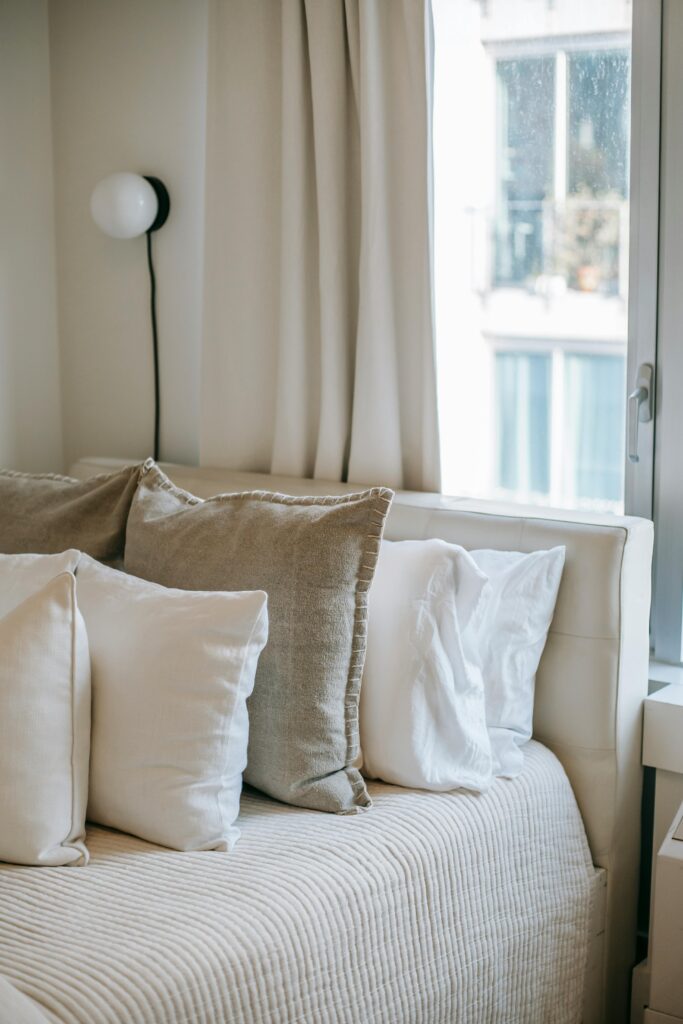
Research in environmental psychology shows that cluttered or overstimulating environments can elevate cortisol levels, a key stress hormone. Spaces dominated by softer colors, natural light, and balanced layouts, however, have been proven to reduce anxiety and increase relaxation.
Expert commentary: “Design choices influence mental wellbeing as much as diet or exercise. AI offers homeowners personalized, data-driven routes to creating healthier interiors,” notes Professor Emily Turner, Head of Interior Environments at the University of Sheffield.
The Challenge of Modern Living
With smaller homes, hybrid workspaces, and busy family lives, achieving serenity requires deliberate planning. Here, AI assists by analyzing design preferences, optimizing layouts, and even suggesting material combinations to maximize comfort.
How AI Understands Your Style
Preference Learning Through Visual Recognition
AI platforms use machine learning to analyze images you “like” on Pinterest or Instagram. They identify recurring themes such as soft neutrals, minimalist lines, or rustic accents and build a mood profile. This profile ensures recommendations align not just with current trends but with your authentic taste.
Data-Driven Mood Boards
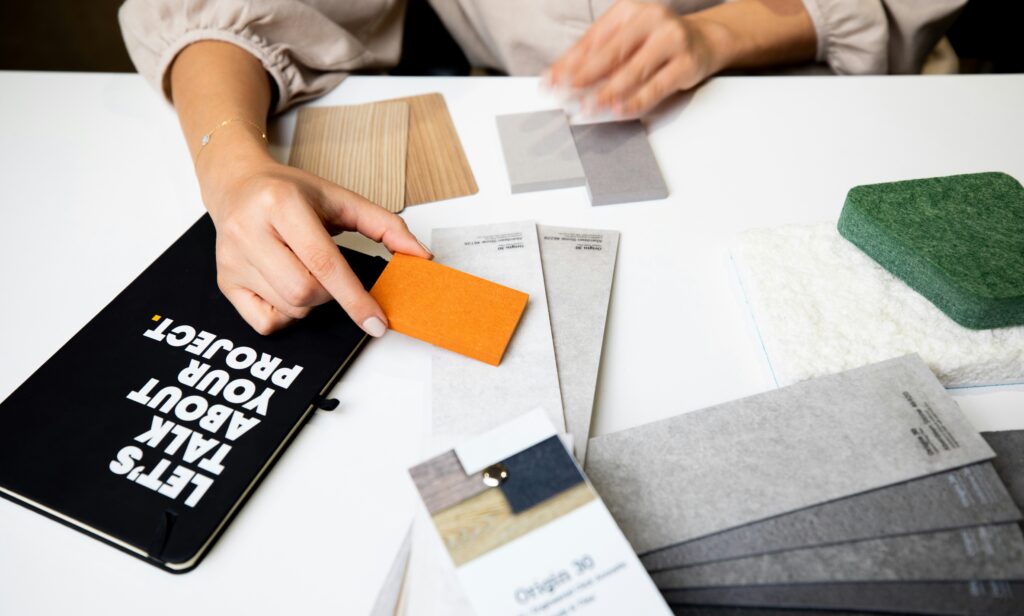
Instead of static collages, AI generates evolving mood boards. These boards adapt to your feedback in real time: swap one sofa, and the system re-balances colors, textures, and lighting recommendations.
Expert commentary: “Dynamic AI mood boards shorten the design journey while ensuring homeowners feel part of the creative process,” says Sarah Whitfield, award-winning UK interior stylist.
[Photo by Mohammad Lotfian on Unsplash]
Color Psychology and AI Recommendations
Identifying Calming Palettes
AI tools trained on color psychology research often recommend soft blues, muted greens, and warm neutrals for stress reduction. Algorithms cross-reference these with natural light exposure in your room—ensuring the chosen palette looks as serene at dawn as at dusk.
Seasonal Adjustments
AI can even adjust color schemes seasonally. For example, in winter, it might suggest warmer accent hues to combat seasonal affective disorder (SAD), while in summer it emphasizes lighter tones for freshness.
Smart Space Planning and Decluttering
Optimizing Layouts
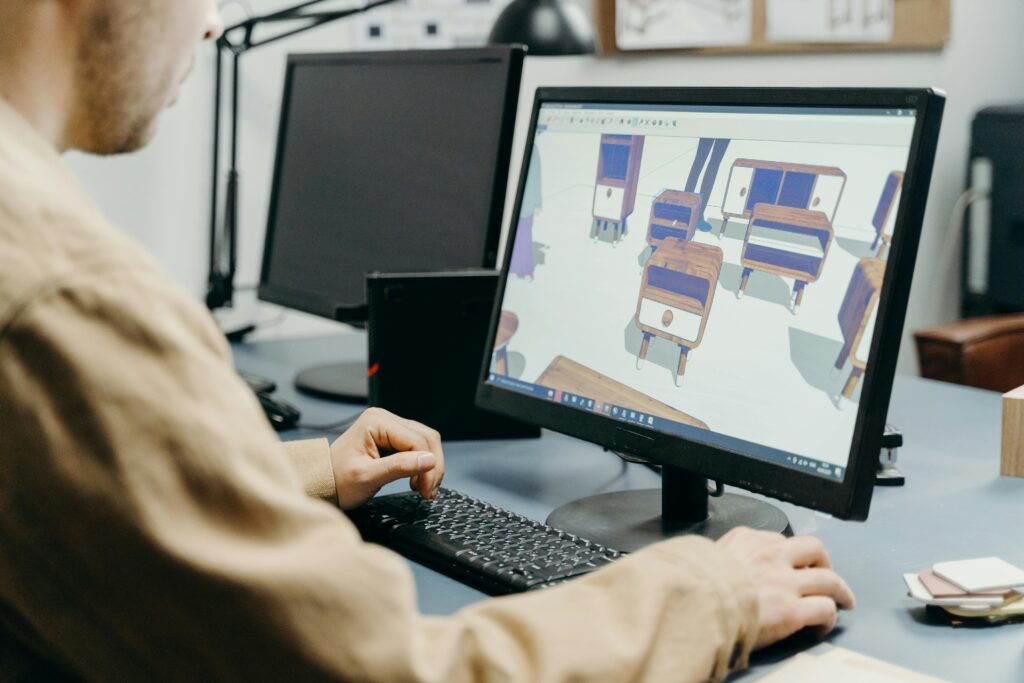
AI software simulates thousands of furniture arrangements, analyzing traffic flow, ergonomics, and balance. A calm home isn’t just about aesthetics—it’s about movement without obstruction and zones that naturally encourage rest or focus.
Minimalism Made Practical
Instead of enforcing rigid minimalism, AI suggests personalized decluttering: what to keep, what to store, and what enhances visual calm. Combined with virtual reality, homeowners can preview “before and after” effects of decluttering without lifting a single box.
Integrating Wellness Technology
AI and Indoor Air Quality
Calmness isn’t only visual. Air quality affects mood and concentration. AI sensors detect humidity, pollutants, or allergens and then integrate with home systems to balance ventilation.
Soundscapes and Acoustics
AI tools generate customized soundscapes—soft rain, birdsong, or lo-fi ambience—matched to your stress levels. Coupled with acoustic analysis of your space, AI reduces echo and harshness, producing a soothing auditory environment.
Human-AI Collaboration: The Designer’s Touch
Where Technology Meets Intuition
While AI suggests palettes and layouts, designers bring empathy, cultural context, and tactile knowledge. Expert stylists adapt AI outputs to ensure homes don’t feel sterile but warm and personal.
Conversational Interfaces in Interior Styling
Conversational AI tools make decision-making easier. For instance, homeowners can ask Free Overchat AI Chat to explain why muted sage green may reduce stress in a north-facing bedroom, or to suggest eco-friendly lighting options that align with calm design principles. This interactive guidance keeps the process human-centered while grounded in data.
[Photo by cottonbro studio]
Ethical and Practical Considerations
Data Privacy
AI often collects images, room dimensions, and lifestyle habits. Clear privacy policies and local data storage are essential for trust.
Avoiding Over-Automation
A calm home must feel personal. Relying too heavily on AI may produce overly generic solutions. Experts recommend blending AI’s insights with individual stories, souvenirs, and personal memories.
The Future of AI in Calm Home Design
Virtual Reality Immersion
Within five years, AI-driven VR will allow families to “walk through” calming design proposals before any paintbrush touches a wall.
Eco-Conscious Personalization
AI will also advance sustainability—suggesting recycled materials, energy-efficient layouts, and carbon-neutral product swaps without compromising serenity.
Predictive Comfort Models
Next-generation AI may forecast your stress levels based on calendar data, recommending calming design tweaks before stressful events. Imagine lights automatically dimming the evening before a big presentation.
Conclusion
AI is no longer just a futuristic buzzword—it’s a practical design assistant helping families create calm, balanced homes. From identifying soothing color palettes to optimizing layouts and enhancing air quality, AI blends science with creativity.
The secret lies in partnership: AI provides the evidence, while humans add empathy and personality. Together, they create homes that nurture wellbeing, reduce stress, and feel like sanctuaries in a fast-paced world.


It's amazing how much AI can do these days! x
Lucy | http://www.lucymary.co.uk
I love using AI to bring my visions to life, it's so helpful when decorating! x