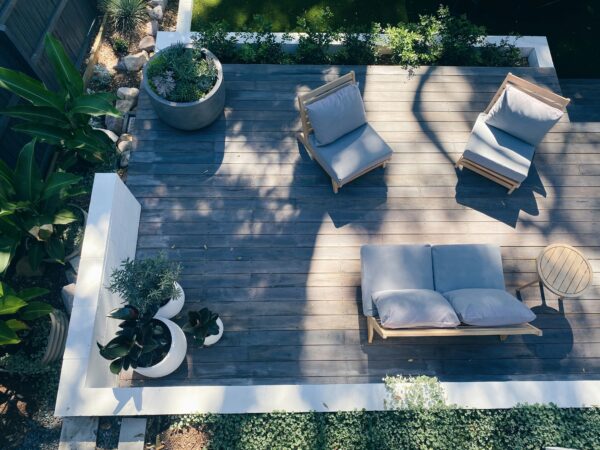
AD. There's a still kind of magic that occurs when a space is at once lived in and loved. Inside, that magic tends to flow effortlessly—cosy sofas, adeptly placed lighting, and the aroma of candles or coffee simmering in the background. But outside the walls of the house is a place just as effective at conjuring comfort and connection. The garden, balcony, or courtyard often waits patiently for attention, ready to become an extension of everyday life rather than an afterthought.
For most homes, outdoor spaces have become the new living rooms, whether for languid mornings over tea or raucous nights with friends. Spending time and imagination outside can revolutionise the pace of everyday living, blurring the lines between in and out. It's not extravagance, but intent—the type that turns a space into yours.
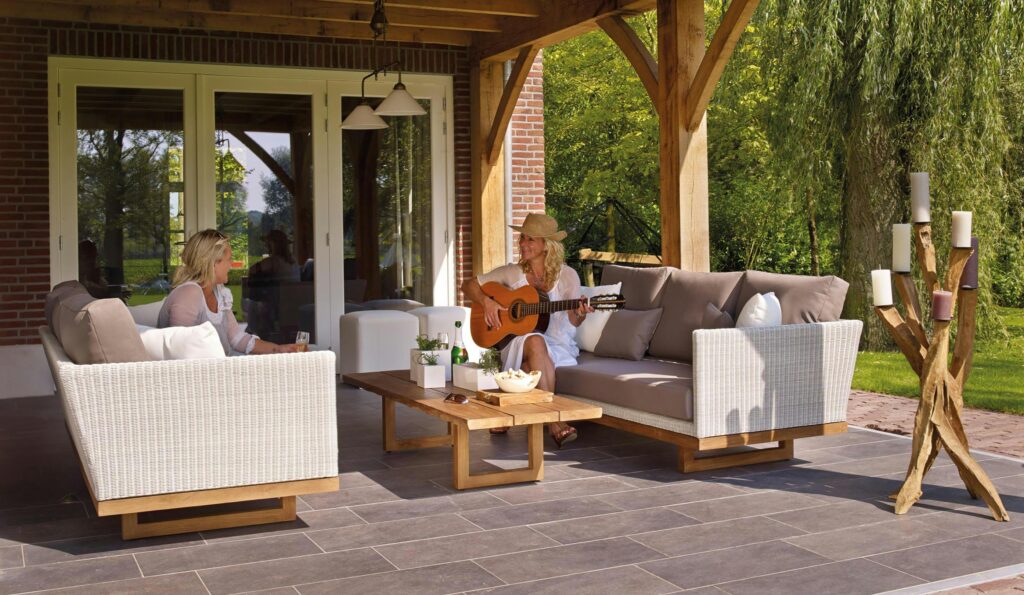
[Photo by Marianne]
The Rise of Thoughtful Outdoor Design
Over the past few years, there’s been a noticeable shift in how people approach outdoor design. Once a place for mismatched furniture and overgrown plants, gardens are now being styled with the same care as interiors. Whether it’s a sprawling backyard or a small terrace, there’s potential to create a cohesive flow that mirrors the home’s personality.
Designers and homeowners are both gravitating toward natural material and a palette of soft, neutral colours that blend with nature. Timber tones, pale greys, and organic textures create a sense of serenity that comes easily. Some even opt for topping off their patio or deck with a composite decking edge board, not just for its durability but also for the clean look it provides. This little design element contributes to defining the boundaries of a space while shielding it from wear, making it a subtle but smart long-term investment in beauty.
Today's outdoor space isn't an afterthought—it's an extension of lifestyle decisions that marry sustainability, comfort, and visual equilibrium.
Creating Spaces That Reflect Daily Rituals
Each residence speaks volumes with its arrangement and architecture. The living room may record times of relaxation, and the kitchen tends to become the hub of activity. Outdoor spaces, however, possess a singular chance to reflect flexibility and liberty. They can shift by season—becoming sun-kissed breakfast nooks during summer and candle-lit hideaways during colder seasons.
Considered zoning aids in creating these experiences. A lounging corner, a reading nook of shade, or a fireplace area for night warmth can transform an otherwise tiny garden into an all-purpose sanctuary. Soft furnishings, string lighting, and overlapping textures all contribute to the atmosphere. Additionally, there is an increasing realisation that the way a space is experienced is just as crucial as how it appears. Comfort has replaced aesthetics as the new luxury standard.
This is why gardens are being treated as real living spaces—planned with equal attention and intent to newly designed home extensions. The same approach applies: it's about making space for life to happen naturally, whether that's laughter around the dinner table or contemplative quiet at the day's end.
Nature as a Design Partner
There's something earthy about designing in harmony with nature, not against it. When plants and buildings unite, the result is a sense of flow that cannot be duplicated by any artificial décor. Vines climbing a wall can take the edge off it, potted herbs adding scent and purpose to the al fresco dining area. Even the rustling of leaves has a tendency to remind us that beauty does not always need planning—it flourishes in the nuances we take for granted.
Most homeowners are also reconsidering the idea of building from scratch. For someone building from scratch, custom modular homes provide a chance to think ahead with sustainability and outdoor living in mind. Modular designs do provide flexibility, so patios, courtyards, and rooftop spaces can be planned from the beginning instead of an add-on later. Such foresight makes outdoor living seem like part of the initial vision and not something that was added after the fact.
Nature's colour palette creates endless options—whether it's working in the locally available stone, incorporating native flora, or adding water features that mirror the sky. With proper care, even the humblest garden becomes an integral, living extension of the home's character.
Comfort Beyond the Walls
Comfort once meant padded interiors and soft textures, but today it's just as much about the sensory input outside. The feel of sun warmth on skin, the soothing buzz of evening air, or the sound of wood popping in a firepit—these all add up to wellbeing in subtle but substantial ways.
As more work takes place at home, the outdoors are being repurposed as multipurpose areas that serve both productivity and serenity. A covered pergola can serve as a workspace by day, while a corner bench may accommodate family meals at night. The design flexibility causes the distinction between "inside" and "outside" to erode further.
Lighting is key here. Warm, layered lighting takes outdoor spaces well into evening use, providing them with the same atmosphere as a cosy sitting room. It's not so much about imitation and more about extension—a response to the current need for houses that are connected to the outdoors.
Sustainable Comfort
The increased emphasis on sustainability has transformed the way that individuals approach home design. There is greater appreciation for materials that endure, systems that save, and selections that minimise their impact without compromising on style.
Adding solar solutions has become second nature to many homes looking for energy efficiency outside of the roofline. Solar pathway lighting, pool heating, and even garden appliances on renewable power are becoming ubiquitous. These minor adjustments collectively amount to a large impact—not only in energy usage, but in attitude. Sustainability isn't just a choice anymore; it's a design ethic driving how people live and engage with the world.
Where sustainability and beauty meet, the outdoors is a symbol of mindful living—spaces in which comfort comes at no expense to the earth.
The Emotional Value of Outdoor Spaces
Spaces are more than just groups of furniture and décor; they are emotionally charged. Outdoor spaces, specifically, seem to capture a family's rhythm. They freeze laughter, host milestones, and frequently provide the background for quiet moments of solitude. Even a small balcony can become a sanctuary with plants, light, and significance.
Emotional design invites engagement. A bench under a tree can be a morning routine spot, while a small fountain can be a reminder to stop on hectic days. All these turn a garden from a passive show into an alive experience.
Over time, outdoor spaces mature tastefully—plants become fuller, materials gain texture, and memories accumulate on top of each other. This sense of being lived in reflects what occurs indoors: it is a testament to belonging.
Bridging Indoors and Out
The contemporary house prospers on unity. When exteriors and interiors speak one language, the whole building is coherent. Big glass doors, unified flooring, and complementary colour schemes form an effortless transition that tells the eye to travel past the walls.
The aesthetic of modern architecture is in the way that it produces this sense of flow. It enables users to see light and landscape as part of their everyday life. This method is especially effective in more intimate spaces, where opening up visual lines beyond the interior can produce a sense of airiness and space.
Even something as simple as aligning furniture styles or using complementary fabrics can create harmony. The goal is not to duplicate indoor comfort outside, but to translate it—to design an environment that feels balanced, connected, and lived in.
A Space That Reflects Care
Outdoor spaces are usually the first that visitors notice and the last that they forget. They set the home in context, determining how it's lived and perceived. Tending to them with the same attention as indoor spaces is not an issue of perfection; it's an issue of presence.
Cushions will get faded, flowers will wilt, and decking will weather, but all of it is a part of the charm. They put us in mind that life happens layer by layer—much like the spaces we cultivate. With careful design, materials that last, and a willingness to go along with the rhythm of nature, outdoor spaces can contain as much love and life as any living room.
They are the home's unheralded heart—constantly evolving, constantly open-armed, and worthy of the same care, warmth, and attention that we offer the interiors.".