AD. Creating meaningful family traditions can feel daunting, especially when you're navigating the complexities of modern family life or welcoming new children into your home through fostering. Yet traditions don't need to be elaborate or expensive to become cherished memories that bind families together for years to come.
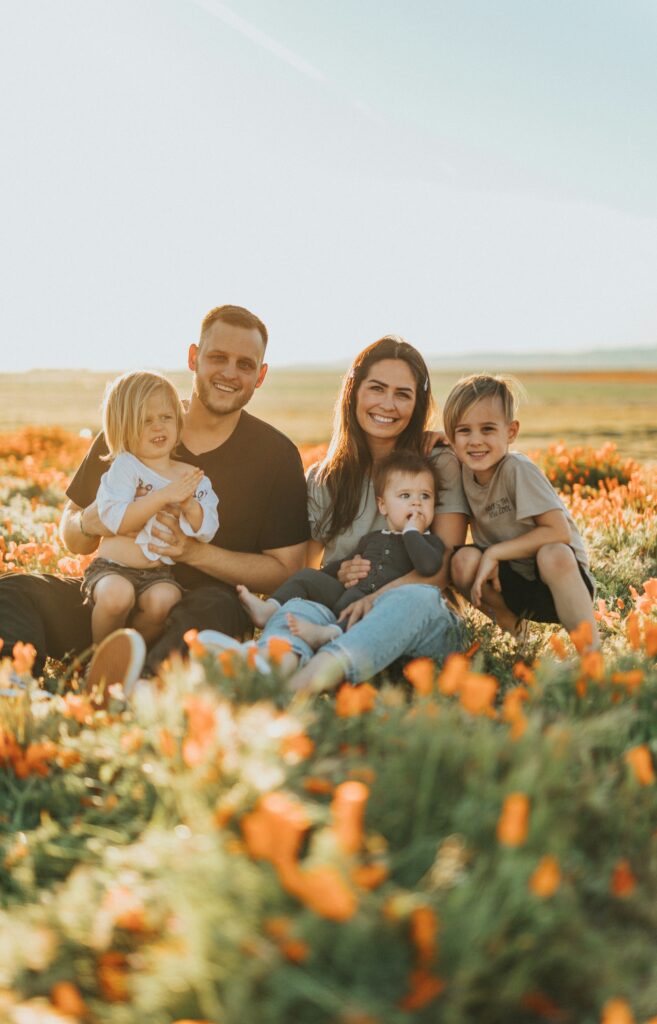
[Photo by Nathan Dumlao on Unsplash]
Start Small and Simple
The most enduring traditions often begin with the simplest ideas. Rather than planning grand gestures, consider what naturally fits into your family's rhythm. Perhaps it's pancakes every Saturday morning, a special bedtime story routine, or a weekly walk to the local park. For carers fostering children in the UK, starting with low-key traditions helps new children feel included without overwhelming them with unfamiliar expectations.
The key is consistency rather than complexity. A monthly pizza and film night requires less planning than an elaborate holiday celebration, yet it can become just as meaningful when repeated with love and intention.
Involve Everyone in the Process
Successful traditions emerge when all family members have a voice in their creation. Hold a family meeting to discuss what everyone would enjoy doing together regularly. Children often have wonderfully creative ideas, from silly dance parties to themed dinner nights where everyone dresses up.
For foster families, this collaborative approach is particularly valuable. It allows children to contribute to their new environment whilst creating something uniquely theirs. Even young children can suggest simple traditions like choosing a special mug for hot chocolate or picking out pyjamas for Sunday morning breakfasts.
Build on Existing Moments
Look for opportunities within your current routine that could become special traditions. The evening meal might transform into "gratitude dinners" where everyone shares something good from their day. Bedtime could include a special song or a few minutes of quiet conversation about tomorrow's plans.
Car journeys present perfect opportunities for developing traditions too. Whether it's singing specific songs, playing word games, or stopping at the same café on longer trips, these repeated experiences create anticipation and belonging.
Embrace Flexibility
The most successful family traditions adapt as circumstances change. A weekly board game night might shift to fortnightly when schedules become busier, or outdoor traditions might move indoors during the winter months. The spirit of togetherness matters more than rigid adherence to specific formats.
Foster carers especially benefit from this flexibility, as children may arrive with their own meaningful traditions or need time to adjust to new routines. Being open to modification shows that traditions serve the family, not the other way around.
Create New Holiday Traditions
Don't feel pressured to replicate traditional holiday celebrations if they don't suit your family. Perhaps Christmas morning involves a special breakfast followed by a nature walk, or birthdays feature breakfast in bed and the birthday person's choice of family activity.
For families formed through fostering, creating new holiday traditions can be particularly healing, allowing everyone to participate in building fresh, positive associations with special occasions.
Focus on Connection, Not Perfection
Remember that the goal of family traditions is connection and joy, not picture-perfect moments. Some attempts won't work, and that's perfectly normal. The tradition of trying new traditions together can itself become meaningful.
The most cherished family traditions often emerge organically from moments of genuine happiness and connection. By staying open to these opportunities and nurturing them with gentle consistency, you'll create lasting memories that strengthen your family bonds for years to come.


We love a family tradition in my house but they can be hard to keep up. Love some of these tips!
Rosie