AD. Taking the time to chart your cycle, that is, writing down when your period starts and ends and when you ovulate, and keeping an eye on how long your cycle lasts every month can teach you a lot. This post talks about the benefits of using a fertility tracker, whether you are trying to get pregnant or not. It also talks about a cool new tool that makes cycle tracking easier and more personalized.
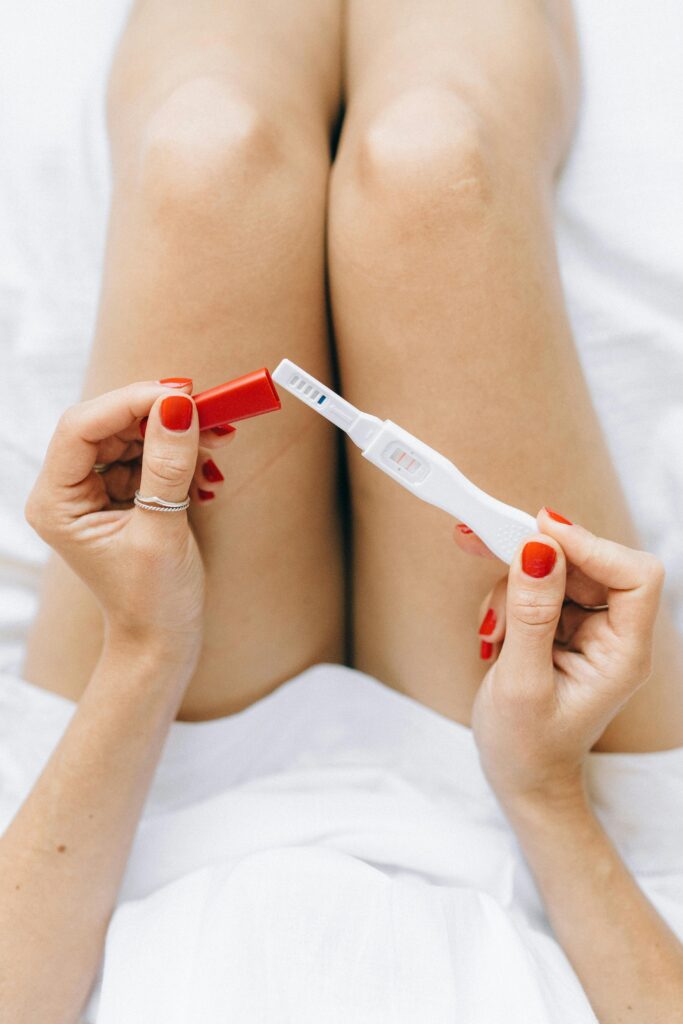
[Photo by Nataliya Vaitkevich]
Benefits of Tracking Your Period
Before you look into the benefits of keeping track of your monthly cycle, it's important to know that everyone is different and that changes can happen from month to month. If you want to learn more about your cycle or are trying to get pregnant, tracking can help you understand your body's habits better, which can be useful in many situations. Getting your period on time will help you in a number of important ways.
It establishes a timeline of your menstrual cycle
Most women don't have a steady 28-day monthly pattern every month. Less than 1% of the women who were studied had cycles that were the same length for four cycles in a row. 52.3% of the women polled had cycles that changed by five days or more. A period is a time when a lot of things happen. Making a record of it helps you make a precise timeline. This is especially helpful if you are trying to get pregnant because it tells you when to take a pregnancy or ovulation test to find out when you are most likely to get pregnant.
It can help identify when you’re ovulating
It's very important to know when you ovulate and whether you want to get pregnant or not. A fertile window lasts for about six days, which includes the egg's life and the sperm's life (which can last up to five days in your body after sexual activity). An egg only lives for up to 24 hours. Your body gives you different signs that can help you tell if you are ovulating or not:
- Just before you ovulate, the mucus in your cervix turns clear and smooth, like egg whites;
- As at the time of menstruation, you may feel sharp pain or cramps on one side of your belly;
- After ovulation, your basal body temperature may go up a little. This is the temperature you feel first thing in the morning before you get out of bed.
Keeping track of your cycle, checking your basal temperature often, and writing down how your body feels every day can help you find patterns that point to the day you are most likely to ovulate. The most accurate way to find out when you're fertile is to use an ovulation test. Still, you need to know how long your cycle usually lasts and when your last period started in order for the test to work. Keeping track of your period for many cycles will help you figure out the best time to start ovulation tests.
You’ll be better prepared
Keeping an eye on your cycle helps you make plans with confidence. If you know your natural rhythms, you can get ready for premenstrual syndrome (PMS) mentally, physically, and emotionally. For instance, if PMS gives you headaches or cramps often, you might make sure you have medicine on hand. You might be able to fit in more sleep if being tired is a problem. Additionally, if you enjoy certain foods during your PMS, keeping your cabinet stocked with your favorite snacks will help you enjoy the time.
Knowing your bike is also very important for planning trips and other important things to do. It will be much easier to handle these situations if you know when to bring the things you need, like pads or tampons.
It can alert you to potential health problems
Following the track of your symptoms every month will give you and your doctor new, useful information. This information will help your doctor figure out what's wrong, like PMS or monthly headaches, and find possible reasons for your symptoms.
Also, close tracking could show that trends have changed. For instance, if your cycle lengths are getting longer or if your period has been unusually long or heavy lately, this could be a sign of perimenopause (the transition period leading up to menopause). A doctor is the only one who can give a diagnosis, but having information written down is much more reliable than relying on hazy memories.
How to Track Your Period?
To keep track of your period, you can use the Notes app on your phone or just write down details on paper. However, using digital plans, notes, and prompts can make tracking easier and help you keep your data up to date-and in order.
When it comes to your sexual health, knowing more is more powerful. If you keep track of your monthly cycle, you might learn useful things that will help you handle this important part of your life better.
To sum up, a fertility tracker is very helpful for anyone who is thinking about getting pregnant. Keeping an eye on your ovulation, monthly cycle, and overall reproductive health can help you learn important things that can greatly improve your chances of getting pregnant. As you begin the wonderful journey of becoming a parent, our preventative method helps you make smart decisions about your health and well-being.
As you go down this path, you might want to talk to doctors who can help you make changes to your diet and lifestyle that will help you get pregnant. Remember that the choices you make now will affect not only your health but also the health of the child you will have in the future. To make your trip even better, use the Femia app. It gives you personalized tips on how to eat and stay healthy while you're pregnant. Femia helps you make smart decisions that are good for both you and your child, which means that your growing family will have a better future.


