AD. Arguably the best play activity for children is unstructured play. It involves leaving them to their own devices, allowing them to make discoveries and letting them explore their creativity. Below are some facts shared by a day nursery in London as to why unstructured play is important for children.
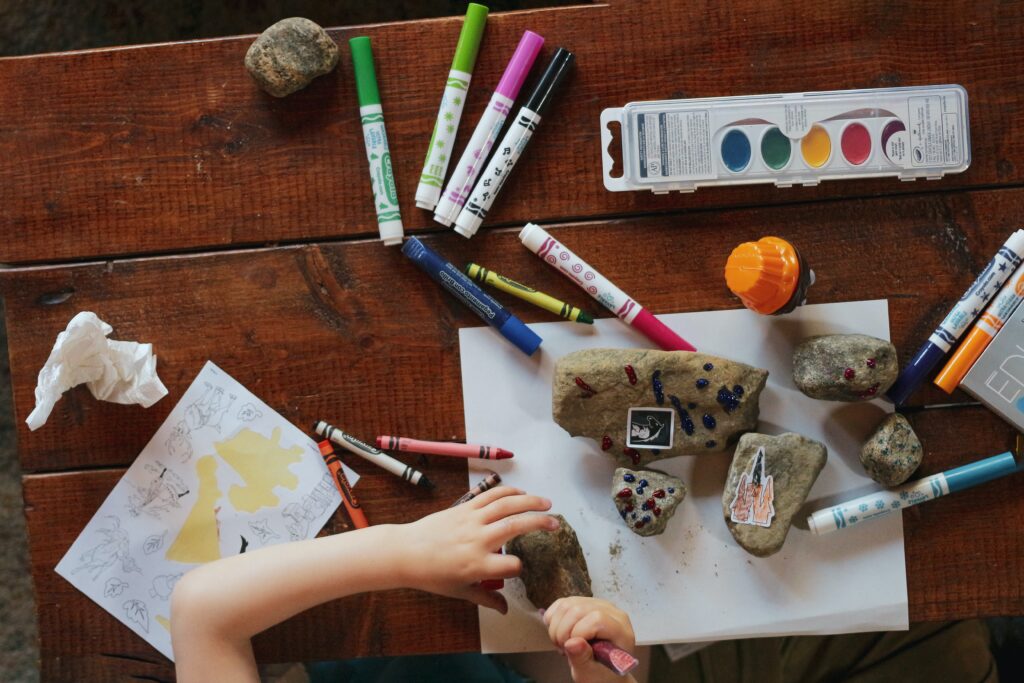
[Photo by Sigmund on Unsplash]
Benefits of unstructured play
Cognitive Development
Cognitive development is a term you may have come across before. It refers to how children learn, problem solve and explore the world around them. Unstructured play puts children at the centre of their own learning so facilitates good cognitive development.
Social Skills
Children can also benefit socially as they must use their communication and team working skills. In nursery school when playing with open ended or “unstructured play” resources, children take turns, listen to each other's ideas and make decisions together.
Confidence
Unstructured play can do a lot for children with regards to their confidence as it allows them to explore and express their ideas. Also, as highlighted above, in group settings children will need to play nicely amongst others.
Resilience
As they experiment and try out different ideas, your child will likely encounter obstacles and will need to learn to deal with them. Exposure to situations like this at an early age can help develop their resilience and problem-solving skills.
Cons to Unstructured Play
While this sounds great in theory, there are a few potential cons to mention:
- It may not necessarily lead to learning.
- Children still on occasion require guidance.
- Parents can have a hard time implementing it in reality as restrictions may need to be in place to avoid mess etc.
Taking on board the points above, it may be a better idea to explore games that promote this type of learning. A few examples are hide and seek, tag, arts and crafts, and water exploration. What’s key is that they have the freedom to explore and create their own ideas.