AD. Electrical repairs at home can seem intimidating, but with the right knowledge and precautions, you can handle many small electrical tasks yourself. It's important to remember that safety should be your top priority when working with electricity. This blog will provide you with some useful tips and guidelines to follow when attempting DIY electrical repairs.
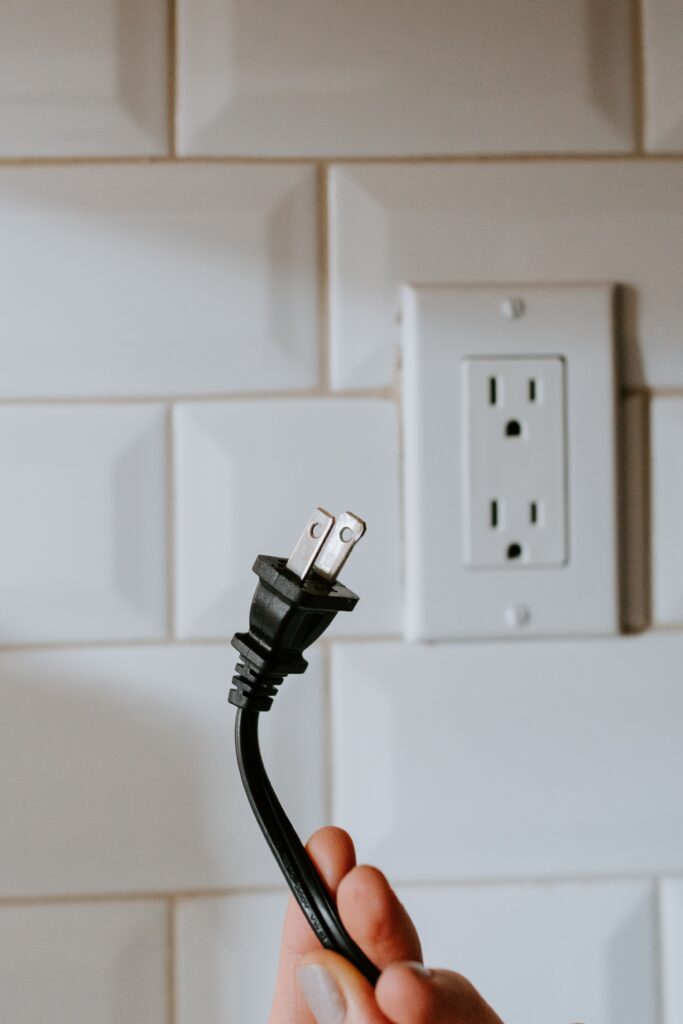
[Photo by Kelly Sikkema on Unsplash]
Safety tips for electrical repairs
1. Educate Yourself
Before you embark on any electrical repair project, take the time to educate yourself about basic electrical concepts, including switchgear.
Switchgear refers to the electrical devices responsible for controlling, protecting, and isolating electrical circuits in your home. Understand the difference between volts, amps, and watts, as well as the purpose of circuit breakers and fuses. Knowing these fundamentals will help you work more confidently and make informed decisions.
2.Turn Off the Power
Turn off the power to the circuit or area you will be working on. Locate the circuit breaker box in your home and flip the switch for the corresponding circuit. To ensure safety, use a voltage tester to verify that the power is truly off before proceeding.
3. Gather the Right Tools
Having the proper tools is essential for any DIY electrical repair. Some basic tools you'll need include:
- Insulated screwdrivers
- Wire cutters and strippers
- Needle-nose pliers
- Electrical tape
- Voltage tester
- Wire nuts
- Flashlight
Investing in high-quality tools will make your work easier and safer.
4. Start with Simple Repairs
If you're new to electrical repairs, begin with simple tasks such as replacing a broken light switch or installing a new electrical outlet cover. These repairs are relatively straightforward and can give you confidence as you progress to more complex projects.
5. Don't Overload Circuits
Avoid overloading circuits by plugging too many devices into a single outlet or power strip. This can lead to overheating, tripped breakers, or even electrical fires. Spread out your devices across multiple outlets to distribute the electrical load evenly.
6. Avoid Wet Conditions
Never attempt electrical repairs in wet/damp conditions. Water is a conductor of electricity and can increase the risk of electric shock. Ensure that the area you are working in is dry, and use a dry cloth or gloves if necessary.
7. Use Ground Fault Circuit Interrupters (GFCIs)
GFCIs are electrical outlets equipped with built-in safety features. They monitor the flow of electricity and quickly shut off the power if they detect a ground fault or electrical leakage. Install GFCIs in areas where water is present, such as kitchens, bathrooms, and outdoor outlets.
8. Know When to Call a Professional
While DIY electrical repairs can be rewarding, some tasks should be left to licensed electricians. If you encounter complex wiring issues, experience frequent circuit breaker trips, or need to rewire an entire room, it's best to hire a professional. Electrical work involving the main electrical panel, such as switchgear, should always be handled by a licensed electrician.
9. Regular Inspections
Perform regular visual inspections of your electrical system to identify any potential issues. Look for frayed wires, loose connections, or signs of overheating such as burn marks or a strong burning odour. If you notice anything unusual, contact a professional electrician to address the problem promptly.
DIY electrical repairs can save you money and give you a sense of accomplishment. However, always prioritise safety and follow the guidelines outlined in this blog.
Remember to educate yourself, turn off the power, use the right tools, and start with simple repairs. If a project seems too complex or involves the main electrical panel, it's best to call a professional.
By following these tips, you can tackle small electrical repairs with confidence.