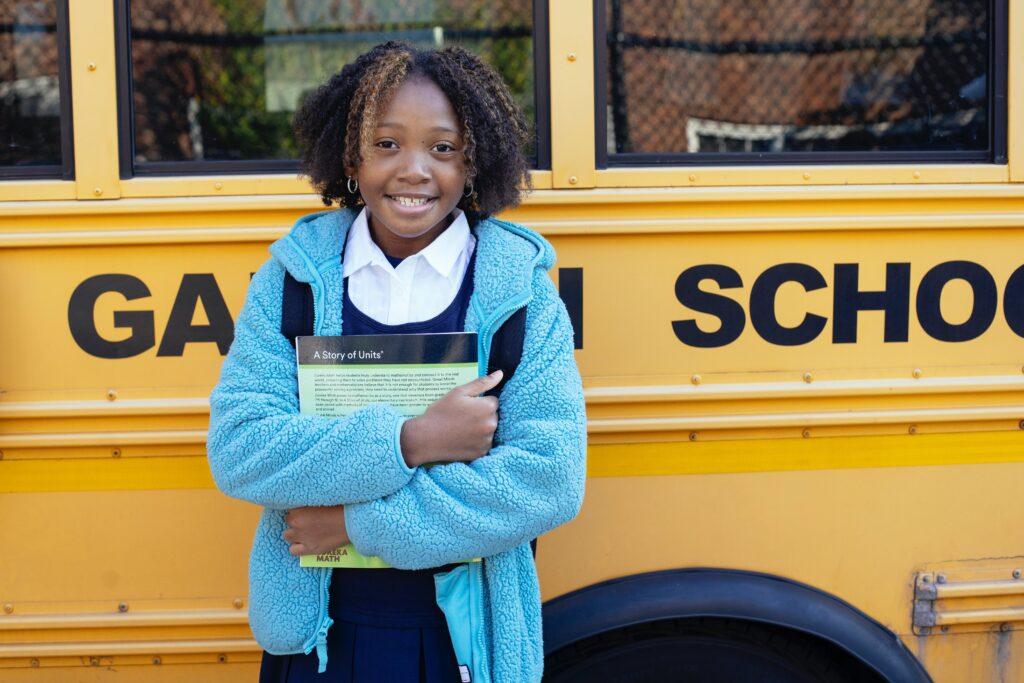
[AD] The routine of catching the school bus can be an exciting yet nerve-wracking experience for both children and parents. For children, it often marks a significant step towards independence, while for parents, ensuring their child's safety and preparedness is a top priority. To ease this transition and make the school bus experience smoother, it's crucial to equip your child with the necessary tools and routines. Here are some valuable tips to help your child prepare for the school bus.
[Photo by Mary Taylor]
How to help your child prepare for the school bus
Establish a routine
Consistency is key, according to many independent schools in Kent and Sussex. Establish a morning routine that allows ample time for your child to get ready, have breakfast, and gather their belongings. Set a designated spot for backpacks, lunchboxes, and any other essentials the night before, reducing the morning rush and ensuring nothing is forgotten.
Familiarise with the bus stop
Walk with your child to the bus stop and acquaint them with the route they'll take each day. Teach them about road safety, including looking both ways before crossing the street, standing a safe distance away from the curb, and waiting patiently for the bus to arrive.
Understand the bus rules
Familiarise your child with the bus rules provided by the school or transportation department. Emphasise the importance of following these rules for their safety and the wellbeing of others on the bus. Discuss appropriate behaviour, staying seated, using inside voices, and being respectful to the driver and other students.
Communication is key
Encourage open communication with your child. Let them know they can approach you with any concerns or questions about riding the bus. Address any worries they might have and offer reassurance, emphasising that you're there to support them.
Practise the routine
Practise the morning routine and the process of waiting for the bus a few times before the school year begins. Simulating the experience will help your child feel more comfortable and confident on the first day of school.
Emergency preparedness
Discuss what to do in case of emergencies. Teach your child how to contact you or a trusted adult if there are delays, changes, or unforeseen circumstances. Ensure they have your contact information memorised or readily available.
Encourage independence
Empower your child to take ownership of their belongings. Label their backpack, lunchbox, and other items with their name and encourage them to keep track of their belongings independently.
Positive reinforcement
Praise your child for their efforts in adapting to the school bus routine. Celebrate their successes, no matter how small, to boost their confidence and encourage continued good behaviour.
Stay involved
Stay informed about bus schedules, routes, and any updates or changes communicated by the school or transportation department. Being informed allows you to address any concerns promptly and stay proactive in ensuring your child's safety.
Preparing your child for the school bus routine involves patience, encouragement, and consistency. By establishing a predictable routine, familiarising them with safety practices, and fostering open communication, you'll help instil confidence in your child, making their school bus experience a positive and safe one.