AD. Remote work can quietly turn a living room into an office, storage area and family space all at once. Laptops settle on the coffee table, charging cables trail across the floor, and paperwork begins to occupy every available surface.
When work finishes, the reminders remain. A few practical changes can restore the room’s original purpose and create a clearer boundary between working hours and home life.
The Cluttered Reality of Shared Spaces
Start by identifying everything in the living room that exists purely for work. That may include notebooks, headphones, chargers, reference books and unopened post. Give each item a proper home instead of moving the same pile from the sofa to the dining table each evening.
If the volume feels overwhelming, try a simple decluttering method that focuses on one small area at a time. Clear a single side table or drawer before tackling the rest of the room. Keep a recycling bag nearby for old notes and packaging, then group the remaining items by purpose. Small, visible improvements make the task feel manageable and help prevent half-finished sorting sessions.
Where Domestic Life and Deadlines Clash
Shared rooms create practical conflicts. One person may need quiet for a video call while someone else wants to watch television, help with homework or simply relax. Agreeing on basic working hours can reduce friction, particularly when several people are home during the day.
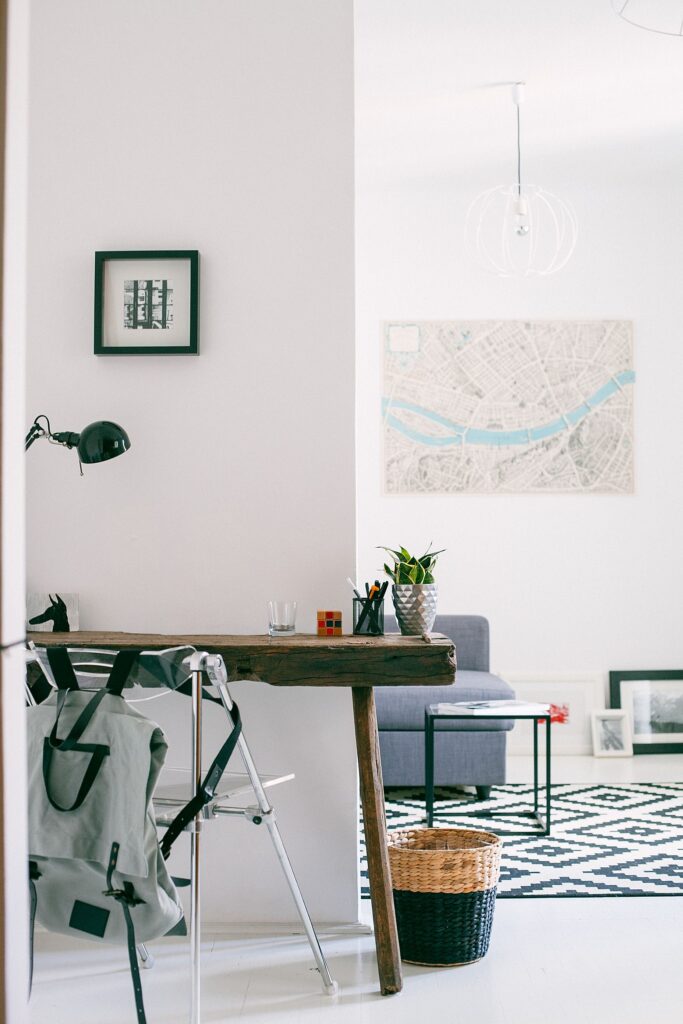
Create a temporary work zone using a compact desk, supportive chair and nearby socket. A folding screen or tall plant can provide a visual boundary without changing the whole room. Once work ends, close the laptop and remove mugs, papers and cables from view. A lidded basket beside the desk makes this quick. That small evening routine signals that the space has returned to everyone, which can make it easier to switch attention away from unanswered messages.
Stepping Out into Garden Office Pods
When remote work is regular, and the garden has suitable space, a separate office may solve problems that indoor organisation can’t. Hertfordshire homeowners considering garden office pods can explore purpose-built spaces designed for working at home, including consultation and installation.
Before committing, measure the available area and think about the route from the house, natural light and how the pod will be used throughout the year. Check where the desk, storage and power points would sit, as well as what can be seen behind you during calls. A showroom visit can also help you judge ceiling height, finishes and the amount of workspace more accurately than photographs alone. Moving work outside frees the living room from daily office equipment while keeping the commute pleasingly short.
Smart Storage for What Stays Indoors
Not every household has room for a separate office, so storage needs to work hard without making the living room feel corporate. Choose furniture that suits the room first. A sideboard can hold files and stationery, while a storage footstool can hide bulkier equipment at the end of the day.
Use shallow drawer organisers for small items such as adapters, memory cards and pens. Labelled pouches stop cables becoming tangled and make it easier to find the correct charger. Keep current documents in one slim folder and archive older paperwork elsewhere.
Aim to leave only one or two attractive objects on open shelves. Closed storage reduces visual noise, but it works best when every item has a fixed place. If putting work away takes less than five minutes, you’re far more likely to do it consistently.
Enjoying Evenings Without Screen Glare
Set a clear finishing time and include packing away as the final task in your diary. Follow recognised display screen guidance during the working day, then move laptops and monitors out of your direct line of sight once you’re done. Even a switched-off screen can keep your attention tied to work when it remains in the centre of the room.
Warm lamps can help the living room feel more relaxed after a day spent under bright task lighting. Turn off work notifications, charge devices away from the sofa and return cushions or throws to their usual places. These details recreate the room’s evening identity.
The real test comes when you sit down after dinner. If you can reach for a book, chat or watch a programme without first shifting a laptop and three notebooks, your living room has become yours again.