AD. We've all done it. You finish work, tell yourself you'll squeeze in a quick workout after dinner… and before you know it, you're three episodes deep into your favourite series with a family-sized bag of crisps within arm's reach. (No judgement here! Because that's absolutely me as well!) The truth is, trying to stay motivated to exercise isn't always easy. Even when we genuinely want to move more, look after ourselves and create healthier habits, life has a funny way of getting in the way. Busy schedules, tiredness, work, family commitments and simply not feeling in the mood can all make exercise slip further down the priority list.
It's easy to assume that people who exercise regularly simply have more motivation than everyone else, but that's rarely the case. In fact, psychologists have found that motivation is often one of the least reliable ways to build long-term habits. It naturally comes and goes depending on how much sleep you've had, how stressful your day has been or even what the weather is doing outside. The good news? You don't have to rely on motivation alone.
Sometimes it's the smallest changes that make the biggest difference. The way you prepare for a workout, the routine you follow beforehand and yes… even the clothes you wear can all influence whether you actually exercise or not. It might sound a little strange at first, but there is genuine psychology behind it. What we wear doesn't just change how we look – it can influence how we think, how we feel and even how likely we are to take action.
So if you've ever wondered why getting changed into your workout clothes somehow makes exercising feel that little bit easier, you're definitely not imagining it.
Why Motivation Isn't Enough
One of the biggest misconceptions about fitness is that successful people simply wake up every morning bursting with motivation. In reality, even the most dedicated gym-goers have days when they'd rather stay in bed. The difference however is that they've usually built systems and habits that make exercising feel automatic rather than something they have to convince themselves to do every single day.
This is one of the biggest secrets to being able to stay motivated to exercise consistently. Instead of waiting until you feel inspired, you create routines that make taking action easier.
Think about brushing your teeth. You probably don't wake up every morning feeling wildly enthusiastic about it, but you still do it because it's part of your routine. There's very little decision-making involved.
Exercise works in exactly the same way.
The less mental effort it takes to get started, the more likely you are to stick with it long-term.
Instead of relying on motivation, try focusing on creating habits that remove friction from your day. That might mean scheduling workouts in your diary, exercising at the same time each week or preparing everything you need in advance.
Small changes like these can make a surprisingly big difference.
What Is 'Enclothed Cognition'?
There's actually a fascinating psychological concept called enclothed cognition, which explores how the clothes we wear can influence our thoughts and behaviour. It isn't about fashion trends or looking a certain way. Instead, it's about the meaning we associate with different types of clothing.
For example, putting on a smart outfit before an important meeting often makes us feel more professional and confident. Slipping into our favourite pyjamas at the end of a long day signals to our brain that it's time to relax.
Workout clothing can work in much the same way.
When you get changed before exercising, you're sending yourself a subtle mental cue that it's time to move your body. You're no longer in "working from home" mode or "lounging on the sofa" mode – you've started the transition into exercise mode.
It sounds incredibly simple, but our brains love routines and familiar signals.
Over time, these little cues become linked to certain behaviours, making it much easier to get started, even on the days when your motivation has completely disappeared.
Why Wearing Workout Clothes Can Remove Mental Barriers
One of the biggest reasons we put off exercising isn't because we're lazy. It's because there are simply too many tiny decisions standing in our way.
Have I got time?
Where are my trainers?
Should I do a workout at home or go for a walk?
What am I even going to wear?
Every single one of those questions creates just enough friction to make sitting on the sofa feel like the easier option.
By getting changed into comfortable workout clothes, you've already completed the first step. Suddenly, exercising feels much more achievable because you've removed one of the excuses before your brain has chance to make one up.
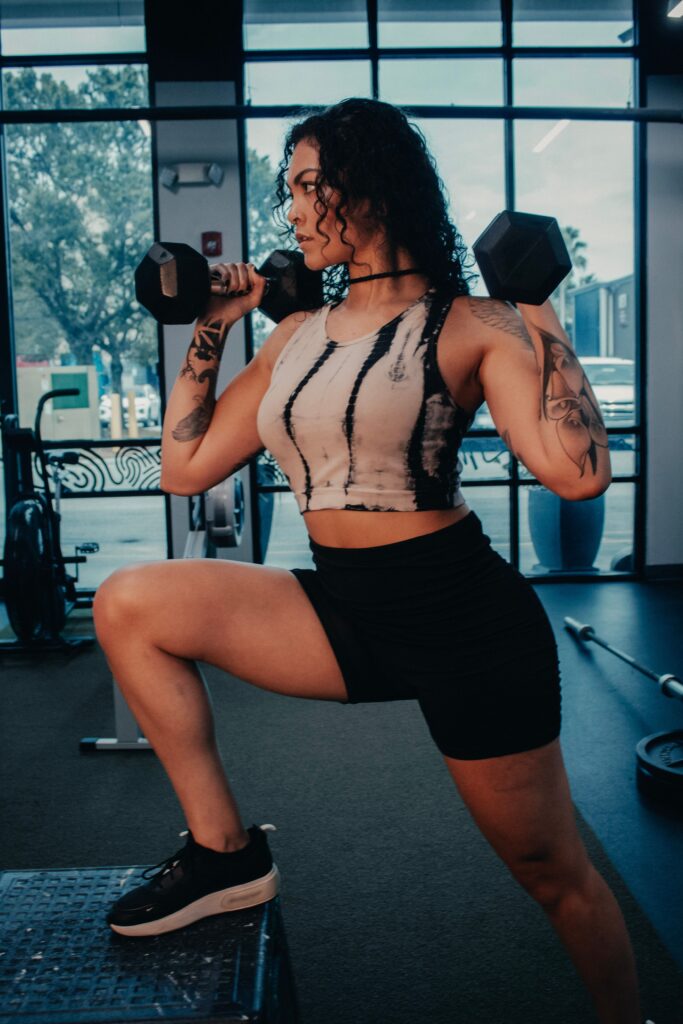
When choosing activewear, comfort should always come first. Whether that's supportive women gym crop tops, breathable gym shirts or lightweight women gym sleeveless crop tops, wearing clothing that allows you to move comfortably can help you focus on your workout instead of constantly adjusting what you're wearing.
It's a simple change, but sometimes those are the ones that stick.
Getting Changed Becomes a Powerful Habit Cue
One of the easiest ways to build a lasting exercise routine is by creating consistent triggers. These are the small actions that tell your brain, "We're about to do this now."
Your trigger might be:
- Putting your trainers on after work.
- Filling up your water bottle.
- Pressing play on your favourite workout playlist.
- Rolling out your yoga mat.
- Getting changed into your workout clothes.
On their own, none of these actions burn a single calorie. But together, they create a routine that's much easier to repeat.
Before long, your brain begins to connect these little rituals with exercise, making it feel less like a decision and more like part of your normal day. This is how habits are formed, and it's one of the most effective ways to stay motivated to exercise without constantly relying on willpower.