AD. In contemporary architecture, the outer appearance of a home plays a significant role in both its functionality and visual appeal. One of the most effective ways to achieve both is through the use of cladding. More than just an exterior feature, cladding contributes to weather resistance, insulation, and the overall character of a building. This article explores the purpose of cladding in residential properties and what homeowners should consider when choosing the most suitable option for their space.
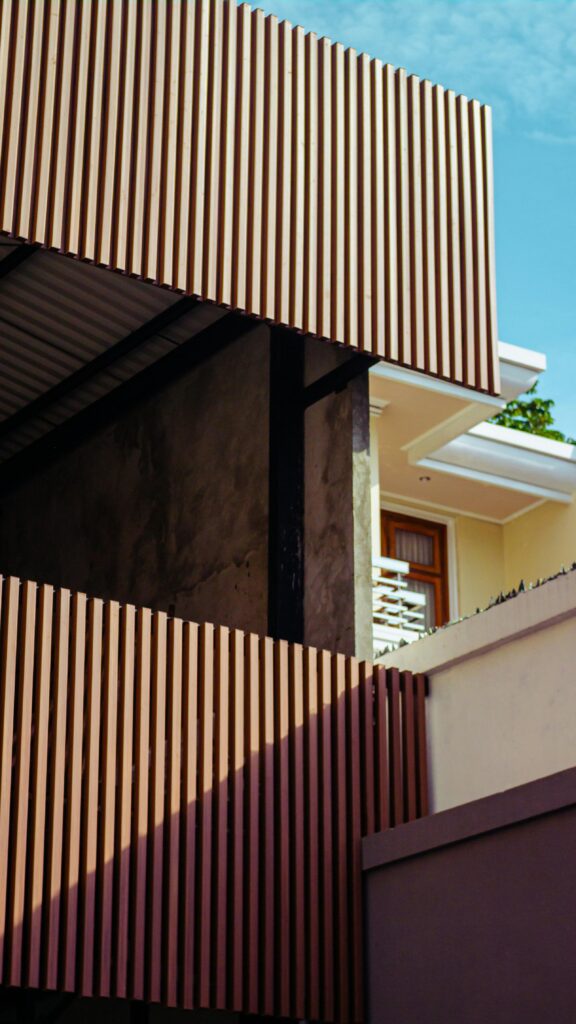
[Photo by Rezky Rahmatullah]
What Is Cladding and Why Is It Used?
Cladding refers to the external layer applied to a building’s structure, which acts as a protective and decorative covering. It is not part of the structural framework but serves multiple functions. Chief among these is protection from the elements—shielding walls from rain, wind, and temperature changes.
It can also offer thermal and acoustic insulation, improving the energy efficiency of a property. From a design perspective, cladding is a key element in establishing the external identity of a home. Whether the goal is a sleek, modern finish or a more traditional appearance, the right cladding can significantly influence the building's overall style.
Types of Cladding Materials and Finishes
A wide range of materials is available to suit different architectural styles, budgets, and maintenance needs. Timber remains a popular option for those seeking a natural, warm appearance. It weathers over time and can blend seamlessly into outdoor spaces.
Composite or fibre cement boards offer a balance between aesthetics and longevity. These materials can replicate the look of natural wood or stone while offering greater resistance to moisture and decay. Brick slips, metal panels, and render systems are also widely used, each contributing a distinct texture and colour to a building’s façade.
Surface finish plays a role not only in visual appeal but in long-term performance, particularly when dealing with moisture and UV exposure.
Design Considerations for Homeowners
When selecting cladding, homeowners should consider how the material will complement the building’s architecture and surrounding environment. In rural areas, natural finishes may suit the setting, while in urban or contemporary builds, more industrial materials such as metal or fibre cement might align better with modern design trends.
The arrangement and pattern of panels also affect the outcome. Horizontal, vertical, or diagonal installations can alter the perception of space, height, or depth. The overall colour scheme and how it pairs with windows, doors, and roofing must be assessed early in the planning process to maintain a cohesive look.
Good design not only enhances a property’s appearance but can also improve its value and appeal in a competitive housing market.
Choosing the Right Cladding for Your Property
Beyond design, practical factors must guide the decision. The climate and exposure of your property can influence material choice—some materials withstand damp and wind better than others. Maintenance requirements also vary; for example, timber may need regular treatment, whereas composite alternatives often require little upkeep.
Fire safety, local planning permissions, and sustainability credentials are additional factors worth reviewing. Responsible sourcing and environmental performance are increasingly important to homeowners seeking eco-conscious improvements.
For those exploring options, cladding solutions are available in a variety of finishes designed to suit a wide range of UK homes. With expert advice and product quality, it becomes easier to select an appropriate system that meets both functional and aesthetic criteria.
Final Thoughts
Cladding plays a vital role in both protecting and defining the exterior of a home. With a wide range of materials and styles to choose from, homeowners can personalise their property while improving its durability and performance. Careful consideration of the building’s setting, the required maintenance, and long-term goals will support a choice that delivers value and visual impact for years to come.