Being involved in a road traffic collision can be a shock to the system. Even minor accidents can leave lasting effects, while more serious ones might take longer to recover from. Whether your injuries are physical, emotional, or both, the road to recovery often feels overwhelming. However, with the right support, you can regain your health and confidence. This guide offers practical advice on physical rehabilitation, mental health support, legal pathways, and ongoing care to help you navigate your recovery with more ease.
Physical Rehabilitation and Pain Management
After a minor collision, it's tempting to rest and avoid movement, but while this is needed, it can also sometimes lead to stiffness and delayed recovery. Light stretching or short walks can help to maintain flexibility and prevent your muscles from stiffening.
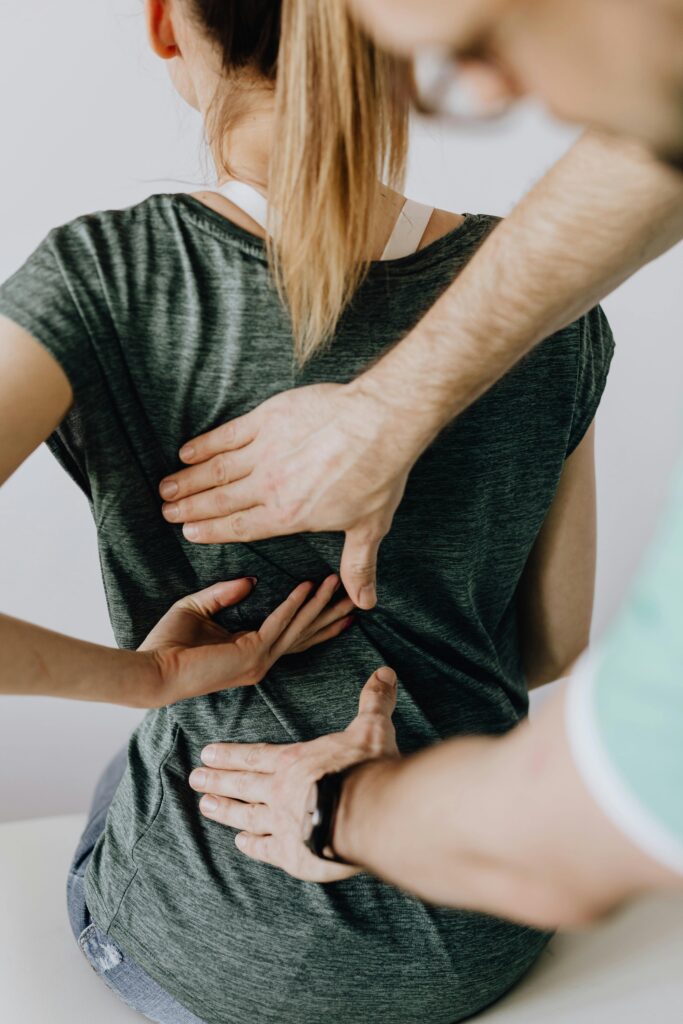
For managing pain, over-the-counter analgesics can offer relief, but they should be seen as a temporary solution. If pain persists or limits your ability to function, a physiotherapy referral might be necessary. A physiotherapist can create a tailored plan to help you recover strength, mobility, and flexibility. Early rehabilitation can significantly reduce the risk of long-term issues and speed up your recovery.
Mental and Emotional Support
Accidents often leave more than physical scars. Anxiety or even PTSD are common responses after a crash. It's important to address these emotional effects alongside your physical recovery. Talking to friends or family or using relaxation techniques like deep breathing can help in the short term.
If symptoms like anxiety or flashbacks persist, consider seeking professional help. Peer support groups can also offer a space to share experiences and connect with others going through similar situations.
Legal Advice and Compensation Pathways
If your injuries or distress continue, seeking legal advice could be helpful. Legal experts can guide you on how to seek compensation, especially if your recovery involves ongoing treatment or if you're unable to work. Compensation can help cover therapy or lost earnings, providing crucial financial support during your recovery.
If your crash involved a bike, asking about motorcycle accident claims can ensure you receive compensation suited to the unique risks associated with biking, such as head trauma or limb injuries. A specialist solicitor can help you navigate this process and secure the financial resources you need for recovery.
Ongoing Care and Community Support Networks
Recovery doesn’t end after the initial medical treatment. Long-term care is often necessary, especially for more serious injuries. Occupational therapy or rehabilitation services might help you regain the ability to complete everyday tasks.
In addition, connecting with community-based support groups can make a big difference. These groups provide not just advice, but the solidarity of others who understand what you're going through.
Recovery from a road traffic collision is a gradual process, but with the right steps, you can regain control of your life.