AD. It feels quite right watching a child do something kind without being asked. Maybe it’s letting a friend borrow a toy, sharing their lunch, or helping someone who’s dropped their books. Those tiny moments stay with you. They’re a little reminder that kindness, even in its smallest form, still matters.
Children aren’t born knowing how to be kind; they pick it up from what’s around them. The way people speak to one another, the patience they show, the care they give – it all sinks in. It’s easy to forget how much they notice. In a world that can sometimes feel too busy and self-focused, raising gentle, thoughtful children feels like a quiet kind of victory.

Starting Small Makes a Big Difference
Kindness doesn’t need to be taught like a subject in school. It grows naturally when children see it in action. A parent helping a neighbour, checking in on a friend, or showing patience in traffic – it’s these real, unpolished moments that stay with them.
Here are a few simple ways to help kindness take root:
- Give them small choices. Let them pick one item from their toys to donate.
- Talk about the feeling. When they do something thoughtful, name how it feels – “That was kind of you, didn’t it feel nice to help?”
- Keep it playful. Make giving light-hearted, not a chore or a duty.
The Harvard Making Caring Common Project found that when children grow up surrounded by empathy, they’re more likely to be happier and more confident later in life. It’s not about grand gestures; it’s about what happens day to day.
Helping Them Understand Why
Children sometimes see giving as losing something – a toy, a treat, a bit of time. But once they understand the “why” behind it, the idea shifts from loss to connection. They begin to see how small acts can change someone else’s day.
Stories work beautifully here. Talk about people who’ve been helped by others – maybe someone in your own town, or a story from the news that shows real kindness in action. It helps children put faces and feelings to generosity.
Even quiet chats at bedtime or over dinner can help. Talking about having food, warmth, and safety makes children aware of how fortunate they are and how they can be part of sharing that comfort with others.
Letting Giving Become Normal
Generosity doesn’t need to wait for Christmas or charity drives. It fits right into normal family life. Baking for someone who’s unwell, donating old books to a school, or simply being there for a friend – those things matter.
It’s also lovely to link giving to family traditions. Some households, for example, choose to donate zakat as part of their values – a way of sharing what they have to support others. It’s a thoughtful example to show children that kindness isn’t bound by where someone lives or what they believe. It’s a human thing.
Let Them See It Happen
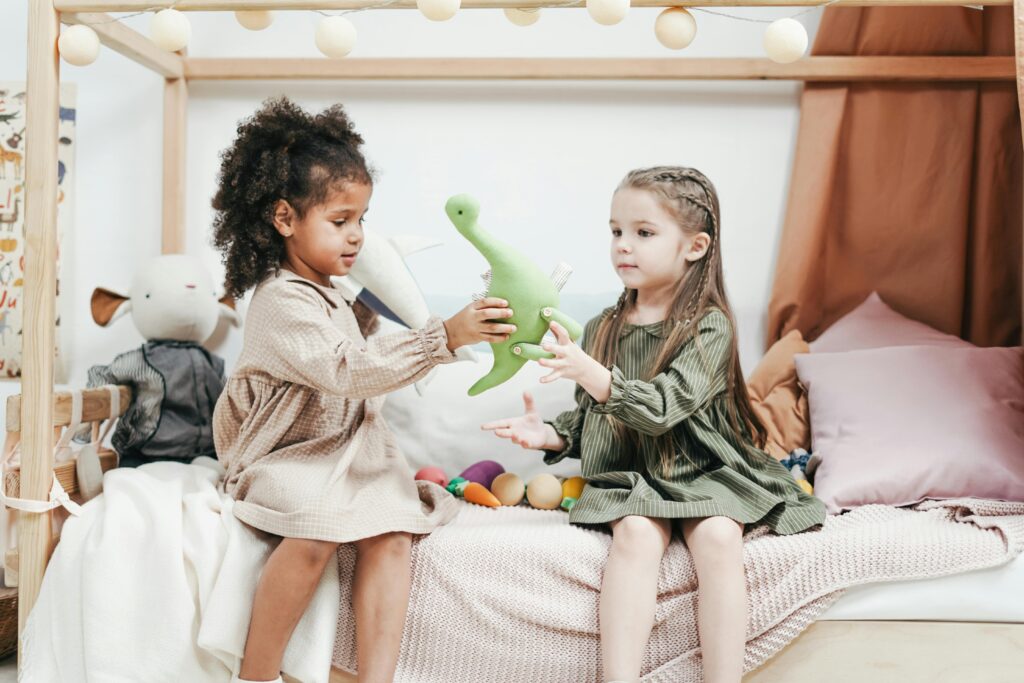
Children believe more in what they see than what they’re told. Taking them along when delivering donations, or letting them hand over something themselves, helps it click. The smiles, the thank-yous – those are lessons no lecture can teach.
The Quiet Benefits of Kindness
Teaching kindness doesn’t just help others; it shapes how children see themselves. The Child Mind Institute found that children who practise generosity often feel calmer, more connected, and better able to cope with stress.
That little spark of pride they feel after helping someone? It’s not just happiness. It’s a sense of purpose growing – a quiet belief that they can make a difference, even in small ways.
A Kinder Tomorrow
Children don’t learn kindness overnight. It grows in small, ordinary moments; in how they see people treat each other, in how they’re spoken to, and in how love shows up in the everyday.
Every shared toy, every thank-you, every moment of patience adds up to something much bigger. Raising kind children isn’t about getting it perfect. It’s about helping them notice the world, care about it, and believe that their small actions can make it softer.
And really, if the next generation can hold onto that – even just a little – the world might feel a bit warmer for everyone.