AD. Security used to mean locks on the doors, alarms and a reserve of savings for an emergency. With the passing years, however, it starts to become less about what can be safeguarded and more about what can be saved. Over the years, the sense of safety shifts from the physical to the psychological, from guarding possessions to guarding peace of mind. As priorities shift, the definition of what makes one feel truly safe shifts as well.
For some, that transformation occurs subtly. It can come after a medical scare, when the body's security is more precarious than ever before. Or it can seep in when adult children leave home and bring home a new quiet. Security, once all about fiscal dominance and professional job security, becomes mixed up with comfort, faith, and meaning.
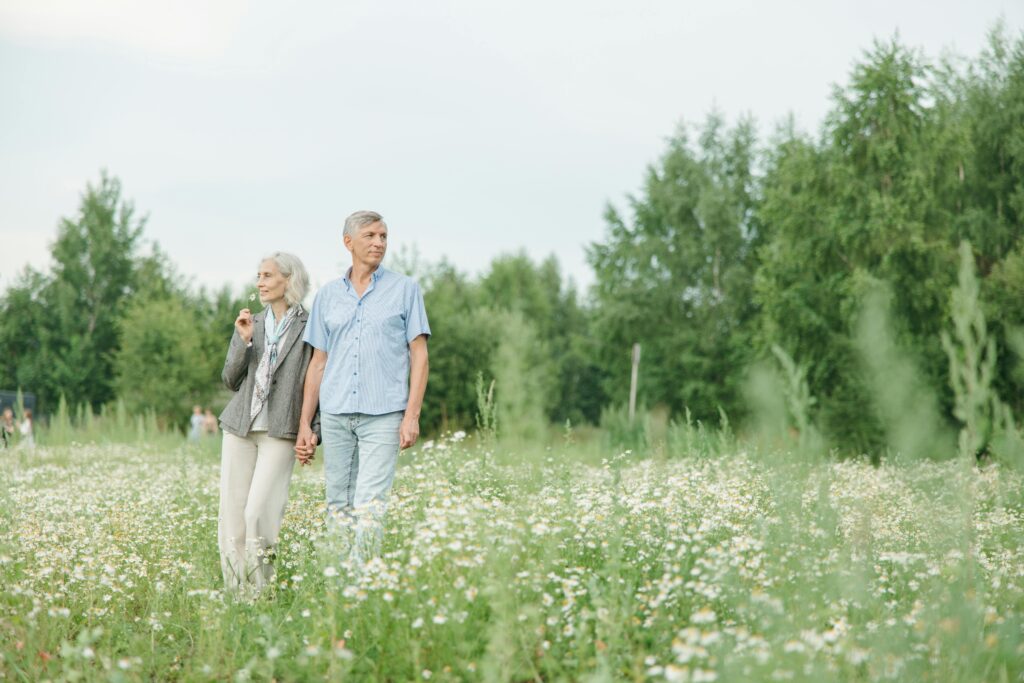
[Photo by Anastasia Shuraeva]
The Layers of Modern Security
There is no one definition of security that applies to all. It's highly personal, influenced by experience, situation, and age of life. Emotional health becomes as crucial as economic security. A cosy, familiar home can be the safest place on earth, not necessarily because it's alarmed or insured, but because it has meaning and memory.
With duty rising and then falling, the most critical in the beginning starts to weaken. The great aspiration of youth — ambition, reputation, career — slowly gives way to smaller, richer sources of security: being healthy, being loved, being needed, and being able to get through daily life without fear and doubt. These softer measures don't appear on balance sheets but are often what hold people tight.
Security for others is also in the form of preparation. Having things in readiness — not just for crisis management, but for the future — is comforting. Maybe that involves planning finances, shifting domestic arrangements, or learning skills to keep responsive to shifting patterns in an increasingly changing world. It's an anticipatory security that builds strength and independence.
The Financial Dimension
Money always occupies a complicated position in the conception of security. Up until quite late in adulthood, planning is in terms of accumulation — saving enough, investing wisely, readying oneself for whatever might be. With age, though, anxiety about ambition gives way to anxiety about assurance. The question becomes less how much one can make and more how long one's resources will last.
Those who once prided themselves on quick decision-making find they appreciate stability. Conservative, thoughtful financial choices replace riskier ones, however, there are still windows of opportunity for those who remain inquisitive and well-educated. For instance, some seek alternatives such as high return investing through diversified, well-researched portfolios that balance potential for returns with stability. The idea now is not to seek profit for profit's sake but to provide a buffer by which one may be able to afford comfort, choice, and independence later on.
Financial literacy is an essential type of security unto itself. Knowing where one is and how much can be sustained creates an inner peace that nothing else can do. It's the inner confidence of being able to budget for tomorrow without sacrificing the enjoyment of the day.
The Role of Home and Place
Few things symbolise safety as strongly as a house. An initial flat or an old family house, the walls hold more than furniture pieces — they hold identity. But for those who grow up, the meaning of home shifts from aspiration to belonging. It no longer stands for impressing others or collecting things but building a sanctuary that appears like who they are.
To many, real estate remains an anchor and an asset. Real estate for retirement has become more important as people seek spaces that combine comfort, ease of accessibility, and affordability. It does not necessarily translate into sacrificing something to downsize; sometimes it's about finding freedom again. Constricted spaces can translate into less complexity, reduced cost, and an increased sense of connection to what matters most.
Homeownership security even extends outside the community. Acquaintances with neighbours, local amenities, and proximity to the necessities of day-to-day living all contribute to the sense of security no individual investment account can offer. A sense of belonging — to anything — can give greater peace of mind than the most dramatic architectural upgrade.
Evolving Through Learning
Security can also be located in confidence — not just economic or physical, but cognitive. The planet does not stop with age; it keeps moving, evolving, and needing flexibility. There is something deeply empowering about learning new things, even in middle age or later, as a way of staying capable and connected.
Taking up instrumentation training, for instance, might seem like a vocational activity, but it's actually a question of understanding systems, patterns, and precision — all things that mirror how people approach their own health and making choices as they grow older. Continued learning maintains independence and engages the mind, reminding us safety often comes from being engaged with the world and not living in seclusion.
Curiosity turns into self-protection. It deflects isolation and activates problem-solving, both of which are valuable as circumstances shift. In a way, to stay open to being a learner is perhaps the best way to defend one's sense of control and interconnection.
The Emotional Foundations
Beyond finances and practicalities, there’s another side to security that’s harder to define but deeply felt. Emotional stability comes from knowing who can be trusted and who will show up when it matters most. It’s about having a circle — however small — that feels safe to lean on.
With the passing of years, everything is left behind in lieu of relationships. Shared meals, common phone calls, and wordless companionship are the underlying threads that hold life together. The comfort of being known, appreciated, and remembered is a foundation of security that no policy or saving plan can provide.
All the same, emotional safety doesn't necessarily mean others are involved. It can mean learning to find pleasure in solitude but not loneliness, and contentment in little, individual rituals. Small daily habits — morning tea window sipping, evening stroll, a few pages of a pleasant book — become a sign of peace.
The Practical Side of Protection
And then, of course, there is the practical aspect of offering security. Planning for the unexpected provides peace and not fear if clarity is used. Be it by checking wills, amending documents, or taking the advice of professionals, these steps render future uncertainty less daunting.
Legal counsel surfaces as people start to think about protecting assets and rights. Insurance lawyers can be the greatest assistance in handling complicated matters, safeguarding what has been built over a lifetime. The mind that rests in the knowledge that family and personal affairs are in order enables an easier mind and a more engaged way of being.
It's the subtle type of security — the one that remains in the background, ready when needed but rarely taken into account within daily life. It exists in the paperwork, the planning, and the sense of preparedness that lies behind genuine peace of mind.
A Broader Understanding of Safety
Safety is never a constant; it shifts with each consecutive year. What is comfortable at twenty may feel suffocating at sixty, and once fragile it may turn out to be the ultimate comfort. The challenge — and the charm — is being aware that this change is not loss but a trimming.
The need for control gives way to the need for harmony. The drive for success becomes the drive for meaning. True security becomes less a matter of possession and more a matter of understanding: health, relationships, freedom, and acceptance.
Finally, redefining security as we get older is not about building stronger gates but deeper relationships — to ourselves, to others, and to the life we've created. It's a reminder that safety isn't located behind doors or tightly sealed accounts. It's in the everyday moments that connect us to our solid centre, that make us feel cared for, and that rest peacefully within us.