AD. When it comes to fashion, most of us think in terms of trends. The colour of the season, the must-have silhouette or perhaps the shoes everyone on Instagram seems to own. But beyond the glossy magazine spreads and the carefully styled influencers, there exists another world. One of eccentric wardrobes, offbeat accessories, and designs that defy the rule book entirely. This isn’t just about clothes; it’s about the narratives stitched into them, the movements they belong to, and the personalities bold enough to wear them. Unusual fashion has always been more than a fleeting aesthetic. From the flapper dresses of the 1920s to punk’s ripped leather jackets in the late 70s, unconventional clothing choices have often acted as a form of rebellion. Today’s quirky garments follow in that tradition, even if the rebellion is less about politics and more about personal identity.
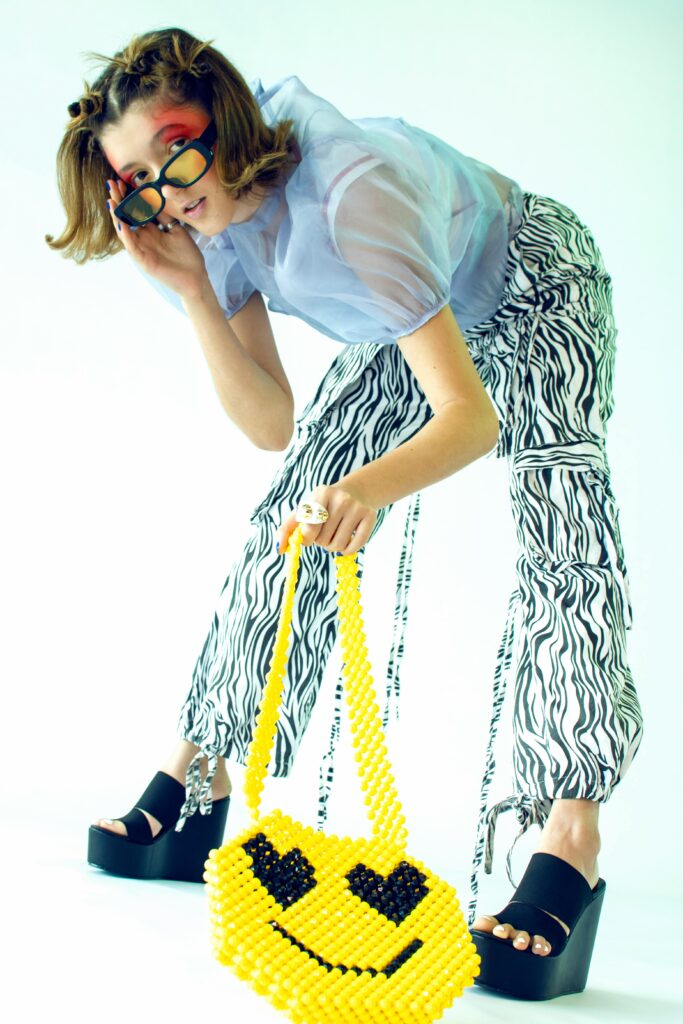
[Photo by Carlos Rubio Tristan]
Exploring Unusual Fashion
The Psychology of Dressing Differently
Humans are visual creatures. What we choose to wear is a statement (sometimes deliberate, sometimes subconscious). Psychologists often point out that dressing differently can be an act of self-definition. If mainstream fashion says muted tones and minimalism are ‘in’, choosing neon patterns or asymmetrical tailoring can be a quiet (or loud) way of saying, I am not like everyone else.
There’s also an element of joy in wearing something that doesn’t quite fit the fashion mould. Consider the person who arrives at a dinner party in a vintage velvet cape, or the one whose work wardrobe features a rotation of weird shirts covered in surreal illustrations. Such choices spark conversations and create moments of connection. The clothes themselves become part of the social dynamic.
Culture, Context, and the Roots of Quirk
Many unusual fashion trends have roots in specific subcultures. Take, for instance, the psychedelic explosion of the 1960s and 70s. Garments from that era weren’t bright for the sake of it! Their swirling, kaleidoscopic patterns reflected a cultural movement that valued free thinking, altered perspectives, and boundary-breaking creativity. Today, modern psychedelic t shirts carry that same visual DNA, even if they’re more likely to be worn at a music festival than a political rally.
Other styles emerge from performance or niche communities. The Japanese street fashion movement Harajuku, for example, embraces layering, costume-like silhouettes, and a mash-up of cultural references. Meanwhile, goth fashion has long toyed with the macabre, inspiring designs such as the mesh skeleton top, which merges the morbid fascination of bone imagery with the playful transparency of sheer fabric.
The Artistry Behind the Oddity
It’s tempting to think of unusual clothing as purely whimsical, but many of these garments are feats of pure craftsmanship. Avant-garde designers often work with unconventional materials such as recycled plastics, metal, or hand-dyed fabrics to create pieces that are both wearable and sculptural.
Textile manipulation also plays a huge role. Designers might laser-cut intricate patterns, weave in unexpected textures, or experiment with fabric treatments that change colour in sunlight. The result? Clothing that feels less like a garment and more like a moving artwork.
This artistry also attracts collectors. Some rare fashion pieces from small, experimental labels can become investment items over time, valued for their uniqueness and the cultural moment they represent.
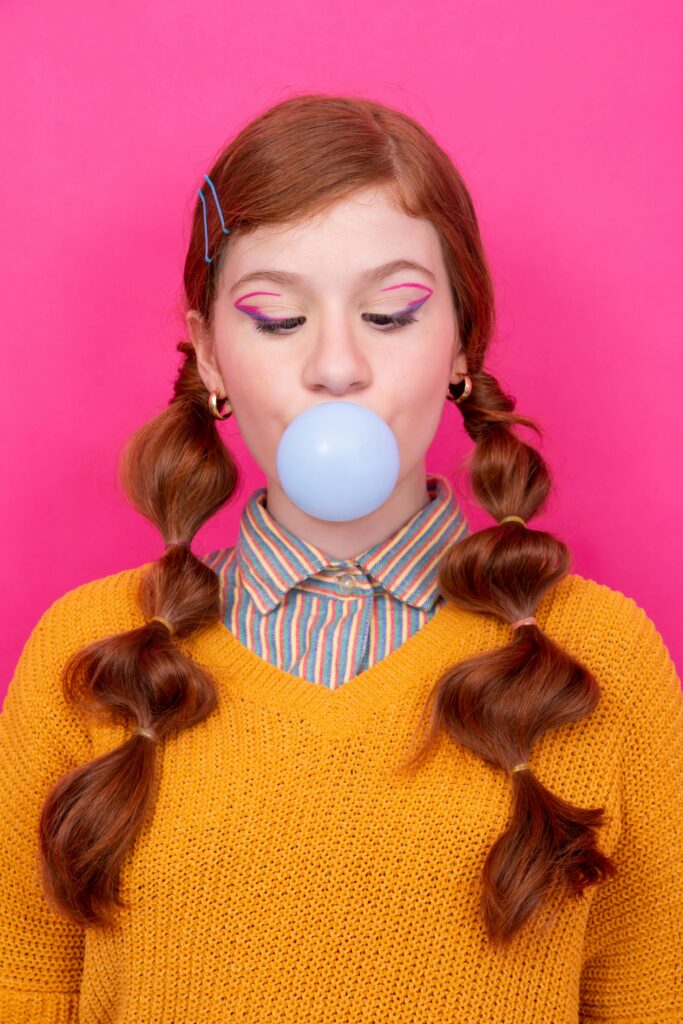
[Photo by Cristiano Silva]
Wearing the Unwearable
One of the biggest challenges for fans of quirky, unusual fashion is finding a way to make these pieces work in everyday life. Not everyone feels comfortable wearing a neon faux-fur coat to the supermarket. Yet, part of the appeal lies in the very fact that these garments aren’t meant to blend in.
Styling plays a crucial role here. Bold pieces can be anchored with neutral basics, allowing them to stand out without overwhelming. A vintage kimono might be paired with jeans, or a dramatic sculptural headpiece worn with a simple black dress. This approach allows you to embrace creativity while still feeling grounded.
Some enthusiasts, however, prefer the all-or-nothing approach, creating entire outfits from unconventional items. This is where you see layers of contrasting textures, unexpected silhouettes, and head-to-toe thematic dressing. It’s not for the faint-hearted, but it can be incredibly liberating.
Why Unusual Fashion Is Here to Stay
In an age of fast fashion and mass-produced trends, individuality is a powerful currency! Social media has only amplified this. The more distinct your style, the more likely you are to stand out in a feed full of similar outfits. Quirky fashion thrives in this environment because it’s inherently personal; it can’t be easily replicated.
Sustainability also plays a role. Many people are turning to second-hand, handmade, or small-batch fashion to avoid contributing to the environmental issues tied to mass clothing production. These sources often yield one-of-a-kind finds that naturally fall into the “unusual” category.
Ultimately, wearing unconventional, unusual clothing is a way of embracing both self-expression and storytelling. Each unusual print, exaggerated silhouette, or unexpected texture becomes part of a visual autobiography. And one that doesn’t need to be edited for mass appeal.
To Conclude
In a world where conformity often feels like the path of least resistance, the brave choice is to wear something that makes people look twice. Quirky, unusual fashion isn’t about being outrageous for its own sake, it’s about wearing your curiosity, your humour, and your individuality on your sleeve… sometimes quite literally!
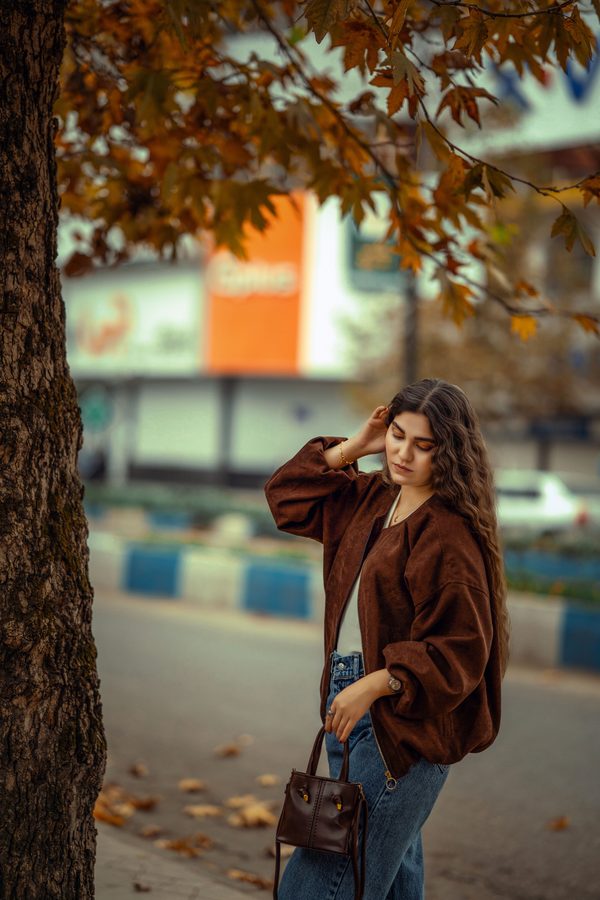
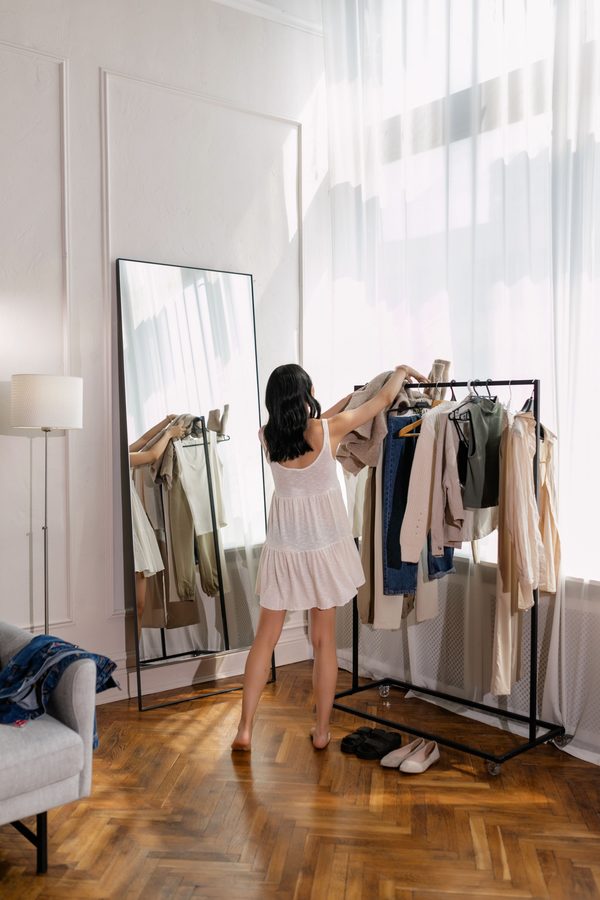
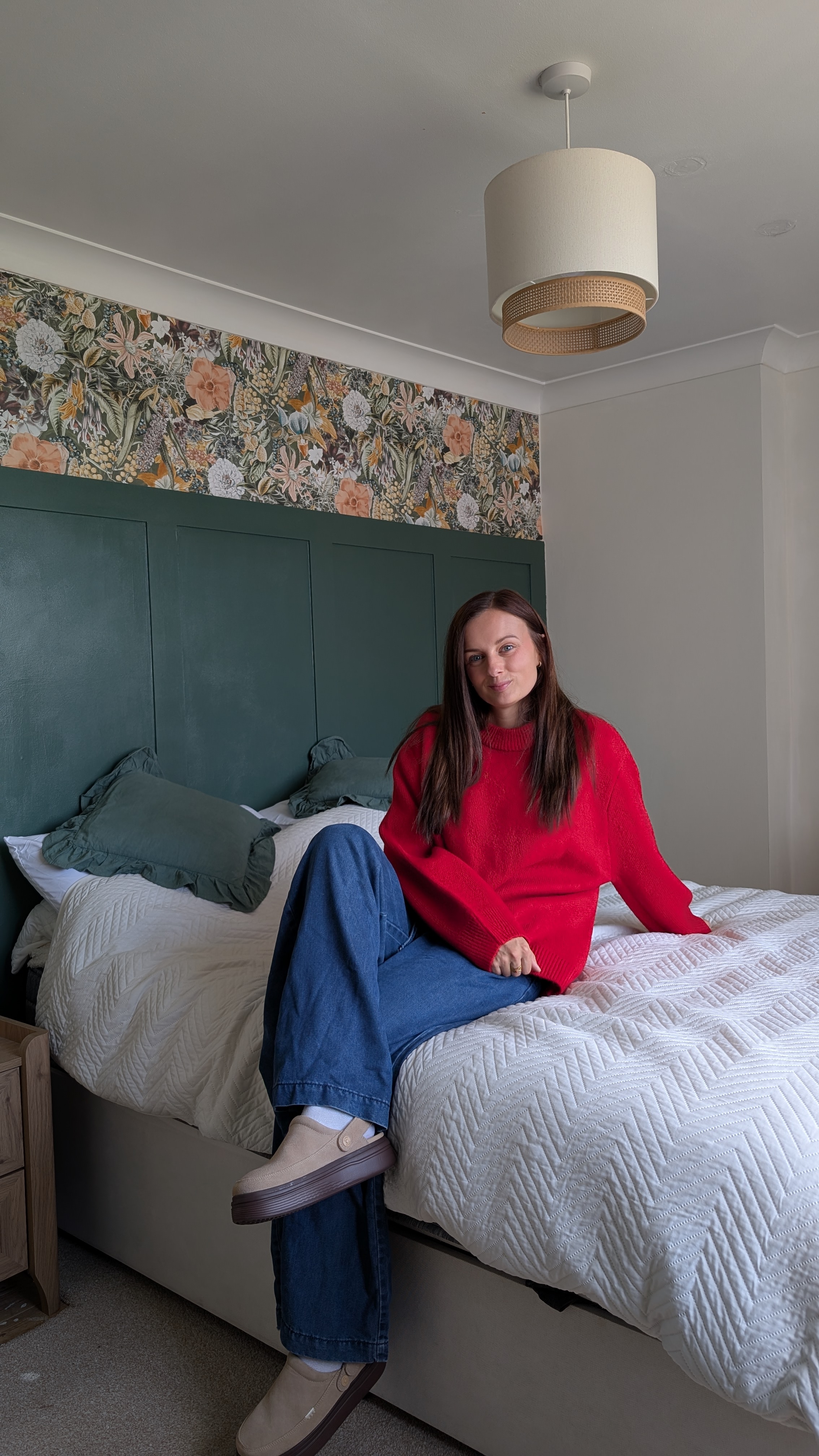
I love quirky fashion, but it's not a style I would normally wear for myself. But I do love seeing others wear this kind of trend! x
Lucy | http://www.lucymary.co.uk