AD. When it comes to choosing between acrylic sheets and glass, it’s not just about which one looks better. It's about function, safety, durability, cost, and aesthetics—all wrapped into one big decision. Whether you’re planning a home DIY project, fitting out a retail display, or upgrading your greenhouse panels, understanding the pros and cons of each material can make all the difference.
Let’s break it down and help you figure out which is the better option for your specific needs.
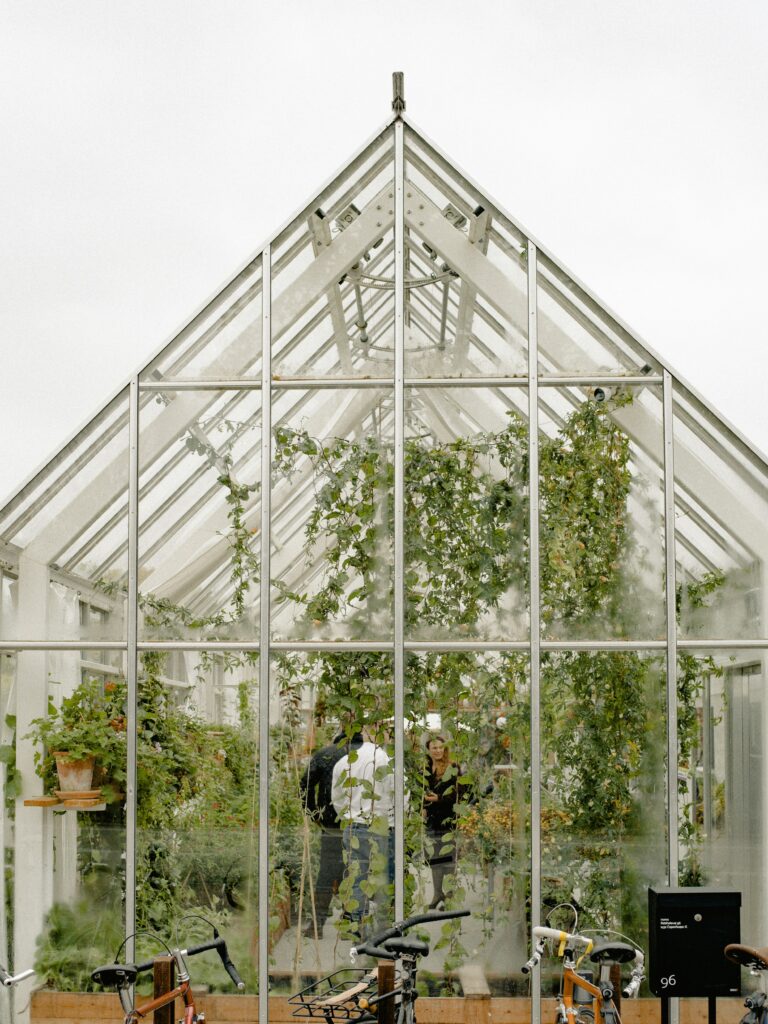
[Photo by Annie Spratt on Unsplash]
Clarity and Appearance: A Close Match
Glass has long been the gold standard when it comes to clarity. That timeless, crystal-clear finish is hard to beat. It’s naturally transparent and retains its clarity over time without yellowing. But don’t count acrylic out.
High-quality acrylic sheets (like Perspex) are optically clear and can transmit up to 92% of visible light—actually more than standard glass. Unlike cheaper plastics, acrylic doesn’t give off that hazy, bluish tint. Plus, you can polish it to a glass-like shine, making it nearly indistinguishable from the real thing in many applications.
Verdict:
Draw. Both materials offer excellent clarity, though acrylic can be even brighter.
Durability and Safety: Acrylic Leads the Way
Glass is brittle. Drop it or hit it the wrong way, and you’ll be dealing with shards. Acrylic, on the other hand, is up to 17 times more impact-resistant than glass. It doesn’t shatter—at worst, it cracks under extreme stress. This makes it the obvious choice for environments where safety matters: schools, play areas, public spaces, or even around pets.
It’s also a solid bet in high-traffic zones or outdoors, where things might get knocked about a bit. If you're mounting signage, building furniture, or installing window replacements in a greenhouse, acrylic has the resilience you need.
Verdict:
Acrylic wins. Hands down the safer, tougher option.
Weight and Handling: Acrylic is Lighter
Weight can be a big factor, especially if you’re DIYing or dealing with large panels. Acrylic is roughly half the weight of glass, making it easier to lift, transport, and install. For suspended signage, shelf dividers, or overhead panels, acrylic wins again. Less weight = less risk and less hassle.
Plus, it’s easier to drill, cut, and shape without specialist tools—making it more flexible for creative projects.
Verdict:
Acrylic wins. Easier to handle and more user-friendly.
Weather Resistance: Acrylic Keeps Up
UV resistance matters if you're using materials outdoors. Glass performs well here—it doesn’t yellow, warp or degrade in the sun. But modern acrylic sheets, especially UV-stabilised ones, are built for the same. They resist yellowing and cracking even after years of sun exposure.
It’s no coincidence that many skylights, boat windows, and protective outdoor barriers are made of acrylic. It stands up to the elements just as well as glass—if not better in some cases.
Verdict:
Acrylic edges ahead. Better suited for impact and long-term outdoor use.
Cost Considerations: Acrylic Is Cheaper (Mostly)
Generally speaking, acrylic is less expensive than glass—both in terms of material cost and installation. Because it’s lighter, you also save on transport and labour. However, there are cases where budget glass can be cheaper than premium acrylic, especially in bulk orders.
That said, for custom applications like bespoke displays, signs, or protective barriers, acrylic is often more cost-effective overall.
Verdict:
Acrylic wins. Especially for custom or large-scale projects.
Maintenance and Longevity: Glass Has the Edge
Glass is hard, scratch-resistant, and maintains its surface over time. Acrylic, while durable in other ways, can scratch more easily. Even cleaning it with the wrong cloth or cleaner can leave marks. Thankfully, there are polishers that can remove superficial damage from acrylic—but it’s still a point to consider.
For surfaces that will be cleaned frequently or exposed to grime (like kitchen splashbacks or tabletop covers), glass may have the advantage.
Verdict:
Glass wins. Tougher surface and less prone to scratching.
Versatility and Customisation: Acrylic for the Win
Acrylic is incredibly versatile. It can be laser-cut, routered, bent, engraved, frosted, or coloured. Whether you're making art installations, lightboxes, protective screens, or aquariums—acrylic adapts beautifully. And if you need a perspex cut to size, many suppliers offer fast, precise, made-to-order sheets delivered to your door. This level of customisation isn’t as easy—or as affordable—with glass.
Verdict:
Acrylic wins. More options, more flexibility, less faff.
Final Thoughts
Choosing between acrylic and glass doesn’t have to be complicated. Think about the where, the how, and the what ifs. If safety, ease, or creative flexibility is important, acrylic comes out on top more often than not.
Still unsure? Try ordering a small perspex cut to size sample and see how it performs in your intended setting. Sometimes the best way to choose is to get hands-on.
Whether you’re glazing a shed window or building a display case, there’s a clear winner—but it depends on your priorities.