Menstruation is a natural biological process experienced by nearly half of the world’s population. Yet, it remains shrouded in stigma, misinformation, and awkwardness, particularly among those who do not menstruate. While many men may feel that menstruation is an issue that doesn't concern them, the reality is quite the opposite. Men's roles in menstruation is crucial for breaking period stigma, supporting those who menstruate. It's imperative for building a more informed and compassionate society.
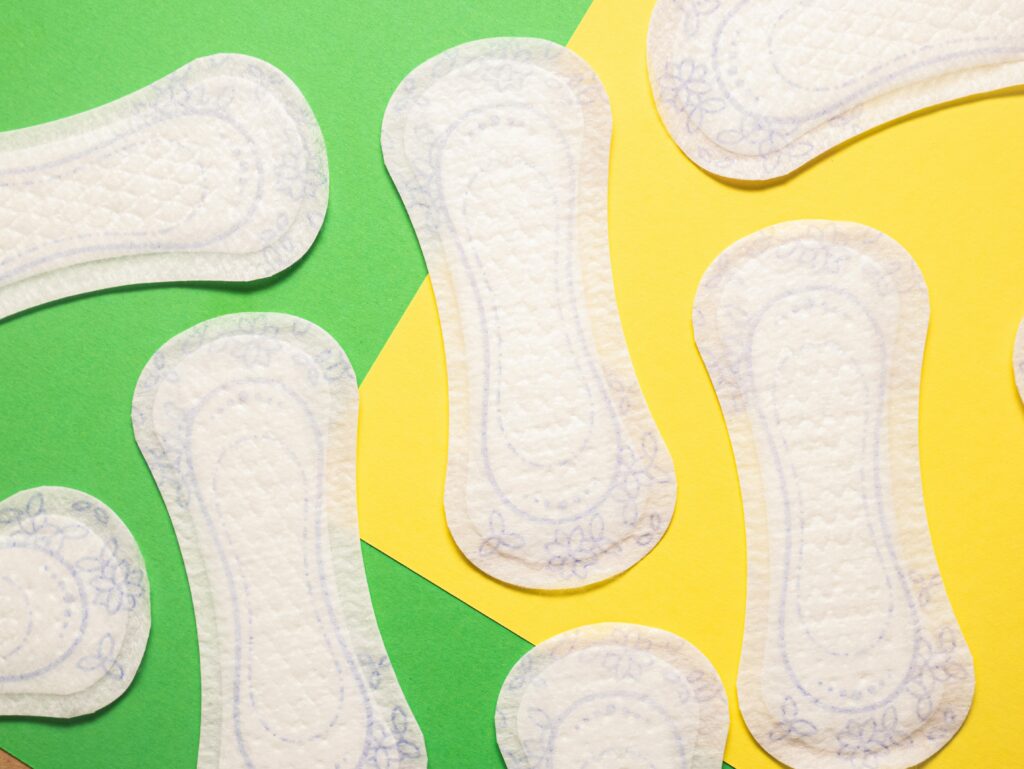
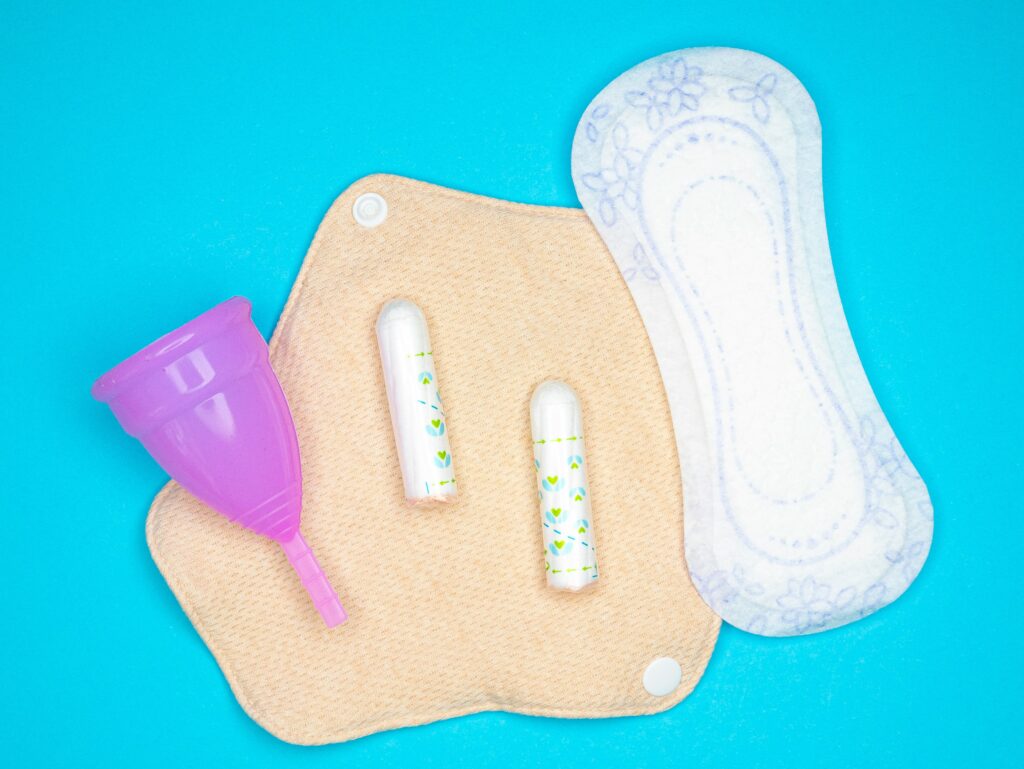
[Photos by Reproductive Health Supplies Coalition on Unsplash]
Why Menstruation Stigma Persists
For centuries, menstruation has been mischaracterized, misunderstood, and even vilified. Ancient beliefs labeled it as unclean or impure. Aristotle even described women as "deformed male; and the menstrual discharge is semen, though in an impure condition." Bizarre, right? But it's these harmful notions that have trickled down into modern society. Even today, the topic is often avoided in conversation, shrouded in euphemisms such as “that time of the month.” While phrases like this may seem harmless, they contribute to the culture of secrecy and shame surrounding periods, making open and productive conversation more difficult.
This silence has real world consequences. Many people who menstruate feel hesitant to speak about their symptoms. Even when they experience extreme pain or abnormal bleeding that could indicate serious medical conditions. Research shows that menstrual health issues are often dismissed or overlooked in healthcare settings, partly because of a long standing lack of research and awareness..
When men actively engage in conversations about menstruation, they help dismantle these taboos and create an environment where people feel comfortable advocating for their wellbeing.
How Men Can Support People Who Menstruate
Education is the first step toward breaking the stigma.
While menstrual education is often limited to those who experience it firsthand, comprehensive knowledge benefits everyone. Understanding the basics such as why menstruation happens, how it affects the body, and the physical and emotional symptoms that accompany it, enables men to provide meaningful support in various roles, whether as friends, partners, colleagues, or family members.
At Home
In familial and personal relationships, simple acts of support can make a significant difference. Whether it's ensuring that menstrual products are readily available, checking in on a partner’s wellbeing, or simply acknowledging that periods are a normal part of life. These actions help normalise menstruation within households. Fathers and older brothers also have a unique opportunity to create open dialogue, ensuring that younger family members feel comfortable discussing their menstrual health without embarrassment.
At Work and in Public Spaces
Men can also advocate for menstrual inclusivity in workplaces and public settings. This might involve supporting policies that allow flexibility for those experiencing severe period symptoms, encouraging the availability of free period products in restrooms, or simply building an environment where menstruation is not treated as a taboo subject. A small but impactful shift in attitude, such as reacting with empathy when a colleague mentions their period can contribute to a broader cultural change.
In Schools and Education
Many boys grow up with little to no understanding of menstruation, and this knowledge gap fuels stigma and misinformation. By advocating for comprehensive menstrual education in schools, where both boys and girls are taught about menstruation openly, men can help ensure that the next generation grows up with a healthier and more inclusive perspective. Seeing male teachers participate in these discussions also reinforces the idea that periods are not just a "women’s issue" but a natural part of life that should be understood by all.

From Awareness to Advocacy
Supporting people who menstruate goes beyond passive understanding, it requires active advocacy. Some ways men can contribute to breaking period stigma include:
- Engaging in Conversations. Challenge period related jokes or dismissive attitudes when they arise. Speaking up helps create an environment where menstruation is treated with respect.
- Being Mindful of Language. Avoid using euphemisms that trivialise periods, and instead use clear and respectful language.
- Encouraging Workplace and Policy Changes. Advocate for policies that acknowledge menstrual health, such as leave for severe menstrual pain or access to period products in bathrooms.
- Educating Themselves and Others. Take the initiative to learn more about menstruation through books, articles, and conversations with people who menstruate. Share this knowledge with other men to help spread awareness.
- Supporting Access to Menstrual Products. Menstrual hygiene is a basic human right, yet many people around the world struggle to afford period products. Donating to menstrual equity initiatives or advocating for free products in public restrooms can make a tangible difference.
A Shared Responsibility
Breaking period stigma is not just the responsibility of those who experience it. It's a collective effort. By becoming allies in menstrual health advocacy, men can contribute to a world where no one feels ashamed, embarrassed, or unsupported because of a natural bodily function. This is not just about understanding menstruation, it's about building a more equitable, empathetic, and informed society.
The road to normalising menstruation starts with conversation, and every voice matters. Whether it’s as a friend, partner, father, brother, or colleague, men have the power to help change the narrative. The question is not whether men should be involved in the discussion, it’s how they can take an active role in ensuring that menstruation is treated with the dignity and respect it deserves.


We must raise awareness for men to gain a better understanding of menstruation and how it impacts women. A great post! x
Lucy | http://www.lucymary.co.uk